
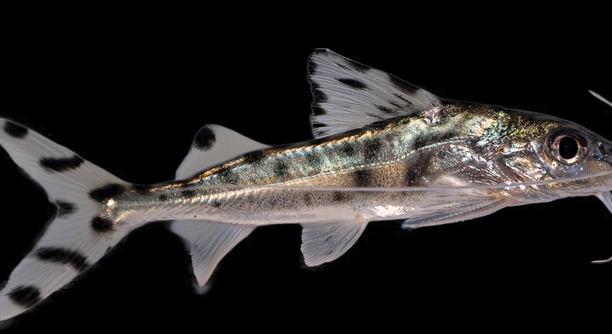
Are your pictus catfish climbing on aquarium decorations more than usual? Many fish owners notice this strange behavior and wonder what it means. It can be surprising to see these active swimmers explore beyond the water surface.
Pictus catfish climb decor primarily due to their natural curiosity and instinct to explore. This behavior can also indicate environmental factors such as poor water quality, insufficient hiding spots, or lack of stimulation within the tank.
Understanding why your pictus catfish climbs can help improve its environment. This article explains the reasons and offers practical tips to keep your fish healthy and happy.
Reasons Behind Pictus Catfish Climbing Behavior
Pictus catfish are naturally curious and energetic fish. Their climbing on decorations often stems from a need to explore their surroundings. In the wild, they swim in fast-moving rivers, so confined tank spaces may lead them to seek stimulation by climbing or jumping. Another reason is stress caused by poor water quality or improper tank conditions. If the water has high ammonia or nitrite levels, fish may try to escape by climbing. Additionally, lack of hiding spots or tank mates that stress them can contribute to this behavior. Sometimes, the decorations themselves attract their attention as climbing offers a form of exercise or entertainment. Recognizing these factors can help you make adjustments that reduce climbing and promote better fish health.
Climbing is a natural behavior but can signal issues needing attention. Monitoring your tank conditions is important to prevent potential harm.
Improving tank setup by providing ample hiding places, maintaining excellent water quality, and ensuring compatible tank mates usually decreases climbing behavior. You may also want to cover the tank to prevent jumping and keep decorations secure to avoid injury. Observing your fish’s habits closely helps you respond appropriately to their needs.
How to Improve Tank Environment for Pictus Catfish
Adjusting your tank environment can reduce your pictus catfish’s climbing. Providing proper water parameters and stimulating habitat is essential.
Proper water quality keeps your catfish calm. Regular testing and water changes prevent toxins that stress fish. Decorations that mimic their natural habitat, such as smooth rocks and plants, offer hiding and resting spots. Adding enough space to swim freely reduces boredom. Tank lids prevent escapes and injuries. Maintaining compatible companions avoids territorial conflicts that increase stress. Feeding a balanced diet also supports their well-being. By creating a suitable environment, you help your pictus catfish feel safe and less likely to climb on decor.
Preventing Pictus Catfish from Climbing Decor
Preventing climbing starts with tank setup. Secure all decorations and cover the tank to limit jumping. Ensure the water quality is excellent to reduce stress, which often triggers climbing behavior.
Providing a tight-fitting lid prevents your pictus catfish from jumping out or climbing decorations. Smooth decorations without sharp edges reduce injury risk if they do climb. Creating plenty of hiding spots with plants or caves helps the fish feel secure, lowering the urge to escape or explore too aggressively. Keeping the tank clean with regular water changes reduces harmful toxins, making the environment more comfortable and less stressful.
In addition, avoid overcrowding the tank. Too many fish cause competition for space and resources, leading to stress-driven climbing. A balanced diet rich in nutrients keeps your fish healthy and less restless. Combining these measures creates a safer, more comfortable habitat that minimizes climbing behavior.
Signs Climbing May Indicate Health Issues
If climbing increases or becomes frantic, it may signal health problems. Look for additional signs like rapid breathing, lethargy, or loss of appetite. These symptoms often accompany water quality issues or illness.
Poor water conditions can cause discomfort and force your catfish to seek relief by climbing. Parasites or infections may also cause unusual behavior. Early detection is important to prevent serious health problems. Testing the water regularly for ammonia, nitrite, and nitrate is essential. Quarantine new fish before adding them to the tank to avoid disease spread. If illness is suspected, consult an aquatic veterinarian for treatment options. Proper care and monitoring keep your pictus catfish healthy and reduce stress-related behaviors like climbing.
Common Tank Setup Mistakes
Many pictus catfish owners use tanks that are too small, limiting swimming space. Insufficient hiding places and rough decorations also increase stress and climbing behavior.
Using sharp or unstable decor can injure your fish during climbing attempts. Choosing smooth, secure decorations improves safety and comfort.
Ideal Tank Conditions for Pictus Catfish
A tank size of at least 30 gallons is recommended to provide ample swimming room. Water temperature should be between 75°F and 80°F, with a pH of 6.5 to 7.5. Regular filtration and weekly water changes maintain clean, stable water, reducing stress and climbing tendencies. Adding live plants and smooth rocks replicates their natural habitat and provides hiding spots, which helps your catfish feel secure. Avoid overcrowding by limiting the number of tank mates, as pictus catfish prefer peaceful community tanks.
Feeding Tips to Reduce Climbing
Feeding your catfish a balanced diet at regular intervals helps keep them calm and less restless.
FAQ
Why does my pictus catfish climb decorations?
Climbing is often due to natural curiosity and the need to explore. It can also indicate stress from poor water quality, lack of hiding places, or insufficient stimulation. When the tank environment isn’t ideal, fish may try to escape by climbing or jumping on decorations.
Is climbing harmful to pictus catfish?
Climbing itself is not harmful if the tank is safe and decorations are secure. However, sharp or unstable objects can injure your fish. Climbing also becomes risky if the fish jumps out of the tank, so having a lid is important to prevent accidents.
How can I stop my pictus catfish from climbing?
Secure all decorations and provide enough hiding spots to reduce stress. Maintain good water quality with regular changes and proper filtration. A tight-fitting lid can prevent jumping. Feeding a balanced diet and avoiding overcrowding also help keep your fish calm.
Does climbing mean my fish is sick?
Not always. Climbing can be normal behavior, but if it’s excessive or frantic and paired with symptoms like rapid breathing or loss of appetite, it may signal illness or poor water conditions. Testing water quality and observing other symptoms can help identify health issues.
What water parameters are best for pictus catfish?
Ideal water temperature is between 75°F and 80°F, with a pH range of 6.5 to 7.5. Regular water changes and good filtration keep ammonia, nitrite, and nitrate levels low, ensuring a healthy environment that reduces stress-related behaviors like climbing.
Can tank mates cause climbing behavior?
Yes. Aggressive or territorial fish can stress pictus catfish, making them more likely to climb or jump. Choose peaceful companions and avoid overcrowding to keep your fish relaxed and reduce climbing.
What kind of decorations are best for pictus catfish?
Smooth rocks, driftwood, and live plants are ideal. They provide hiding spots and mimic the fish’s natural habitat. Avoid sharp or unstable decorations that could injure the fish during climbing.
How often should I feed my pictus catfish?
Feed small amounts twice daily, ensuring they consume the food within a few minutes. A balanced diet of sinking pellets, frozen or live foods supports their health and reduces restlessness that can lead to climbing.
Can climbing be a sign of boredom?
Yes. Pictus catfish are active swimmers and need stimulation. A bare or overcrowded tank can cause boredom and stress. Providing enough space, hiding spots, and varied environment helps keep them engaged and reduces climbing.
What should I do if my pictus catfish keeps jumping out?
Ensure the tank has a secure lid. Check for water quality issues or stress factors like aggressive tank mates. Improving tank conditions and providing hiding places helps reduce the urge to jump. If necessary, rearrange decorations to create a safer environment.
Understanding why your pictus catfish climbs on decorations helps you provide a better environment for your fish. This behavior is often a sign of curiosity and natural exploration, but it can also indicate stress or discomfort. Ensuring that your tank conditions are ideal reduces the chances of excessive climbing. Good water quality, enough space, and proper hiding spots are key to making your catfish feel secure and less likely to climb.
Maintaining a balanced environment involves regular water testing and changes to keep harmful toxins low. The tank should have smooth decorations that are stable and safe for your fish to climb on without risk of injury. A tight-fitting lid is important to prevent jumping out, which can be dangerous for your fish. Feeding a nutritious diet and avoiding overcrowding further supports your pictus catfish’s health and calm behavior.
By paying close attention to these factors, you can create a comfortable habitat that suits your pictus catfish’s natural needs. Observing your fish’s behavior regularly will help you spot any problems early. Making small adjustments to the tank setup and care routine can reduce climbing and improve your fish’s overall well-being. Keeping your pictus catfish happy and healthy ensures a more enjoyable experience for both you and your aquatic pet.

Hello,
If you enjoy the content that we create, please consider saying a "Thank You!" by leaving a tip.
Every little bit helps us continue crafting quality advice that supports the health, happiness, and well-being of pets around the world, for pets of all shapes, sizes, and species.
We really appreciate the kindness and support that you show us!