
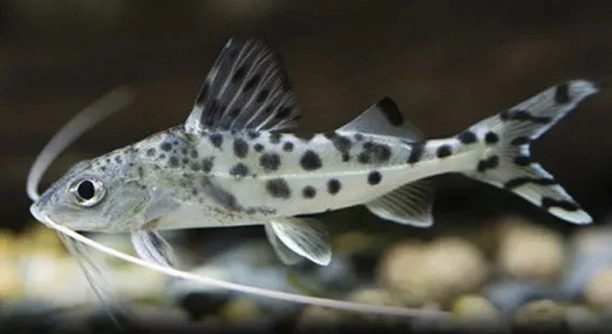
Caring for your Pictus catfish requires thoughtful setup to keep them healthy for years. Proper tank conditions, diet, and environment all play key roles in their well-being and longevity. Many owners want to ensure their fish thrive over time.
Maintaining long-term health for Pictus catfish involves stable water parameters, appropriate tank size, balanced nutrition, and proper tank mates. Consistent care and regular maintenance help prevent stress and disease, promoting a strong and vibrant fish population.
Following these setup tips can make a big difference in your Pictus catfish’s life. Small changes in their environment often lead to better health and happier fish overall.
Choosing the Right Tank Size
Pictus catfish grow quickly and need enough space to swim comfortably. A tank that is too small can cause stress and lead to health problems. For a small group of Pictus, a minimum of 30 gallons is recommended. This size allows them room to explore and hide. It also makes it easier to maintain water quality. When setting up the tank, make sure there are plenty of hiding spots using plants, rocks, or decorations. This helps reduce stress and mimics their natural environment. Additionally, avoid overcrowding by limiting the number of fish based on the tank size. Proper space supports their active nature and social behavior. Planning for a larger tank from the start prevents frequent tank changes as your fish grow.
A spacious tank helps maintain stable water conditions and encourages natural behaviors like schooling and exploring.
Regularly monitor the tank size and adjust as needed to keep your Pictus catfish healthy and comfortable.
Maintaining Water Quality
Keeping water clean is essential for Pictus health. These fish are sensitive to poor water conditions. Frequent water changes, at least 25% weekly, help remove waste and toxins. A good filtration system is important to keep the water clear and oxygenated. Testing the water for ammonia, nitrites, and nitrates ensures levels stay safe. The ideal water temperature for Pictus catfish is between 75 and 80 degrees Fahrenheit. They prefer slightly acidic to neutral pH levels, around 6.5 to 7.5. Consistency in water parameters reduces stress and strengthens their immune system. Avoid sudden changes, as this can cause shock or illness. When introducing new fish or plants, quarantine them first to prevent disease. Clean decorations and substrate regularly to prevent harmful buildup. By maintaining good water quality, you create a healthy environment for your fish to thrive.
Water quality directly affects fish vitality and disease resistance, making upkeep essential.
With steady care, your Pictus catfish can live longer and show more natural behavior, improving their quality of life.
Selecting Suitable Tank Mates
Pictus catfish are peaceful but active swimmers. They do best with similarly sized, non-aggressive fish. Avoid large, aggressive species that might bully or eat them. Ideal companions include tetras, rasboras, and other calm community fish.
Choosing compatible tank mates helps reduce stress for your Pictus. Aggressive fish can intimidate or injure them, causing health problems. Keep groups of at least three Pictus catfish together, as they prefer company. A peaceful community tank supports natural behaviors like schooling and foraging. Avoid slow-moving fish that might struggle to compete for food. Also, bottom dwellers like Corydoras can coexist well, as they occupy different tank levels. When adding new fish, introduce them carefully and watch for signs of aggression.
Balanced tank mates create a harmonious environment. This leads to healthier fish that are less prone to stress-related illnesses.
Feeding Your Pictus Catfish
Pictus catfish are omnivores and appreciate a varied diet. Provide sinking pellets, frozen or live foods like bloodworms, and occasional vegetables. A balanced diet supports growth and vibrant colors. Feeding small amounts twice daily prevents overfeeding.
Consistency in feeding habits helps maintain good water quality. Uneaten food can pollute the tank, so remove leftovers promptly. Avoid feeding large amounts in one sitting, as Pictus are active and prefer grazing throughout the day. Supplement their diet with occasional treats like brine shrimp to add variety and nutrition. Fresh vegetables such as zucchini or cucumber slices can be added once or twice a week. Feeding routine and quality food help maintain energy levels and overall health.
Proper feeding encourages natural foraging behavior and supports a strong immune system.
Lighting and Tank Environment
Pictus catfish prefer dim lighting as bright lights can stress them. Use subdued lighting or provide shaded areas with plants or decorations. This helps create a natural feel and allows them to feel secure.
Soft lighting mimics their natural habitat, reducing stress and encouraging normal activity. Adjust lighting duration to about 8–10 hours daily to maintain a stable day-night cycle.
Substrate Choice
A soft, smooth substrate like sand is best for Pictus catfish. Rough or sharp gravel can damage their delicate barbels and skin. Sand allows natural digging behavior and helps keep them comfortable.
Regular Health Checks
Watch your Pictus regularly for signs of illness like clamped fins or unusual swimming. Early detection helps prevent serious problems. Routine observation is key to long-term care.
FAQ
How often should I clean the tank for my Pictus catfish?
Regular cleaning is important to keep your Pictus healthy. Aim to do a partial water change of about 25% every week. This helps remove waste and keeps harmful chemicals like ammonia and nitrates low. Clean the substrate gently with a gravel vacuum to remove leftover food and debris. Avoid cleaning the whole tank at once to preserve beneficial bacteria. Filter maintenance should be done monthly, rinsing filter media with tank water to avoid killing helpful microbes. Keeping a steady cleaning schedule prevents sudden changes in water quality that could stress your fish.
Can Pictus catfish live with shrimp or snails?
Pictus catfish may see small shrimp as food, especially young or tiny species. Larger shrimp like Amano shrimp stand a better chance but may still be at risk. Snails are generally safe tank mates because Pictus do not usually bother them. However, individual fish behavior can vary. If you want to keep shrimp, ensure the tank is large and has plenty of hiding spots. Snails help clean the tank and are a peaceful addition that won’t disturb your Pictus. Observing interactions early on can prevent unexpected losses.
What is the ideal temperature for Pictus catfish?
Pictus catfish thrive in temperatures between 75°F and 80°F (24°C to 27°C). Keeping the water within this range supports their metabolism and immune system. Temperatures too low can slow their activity, while temperatures too high may cause stress or shorten their lifespan. Use a reliable aquarium heater and thermometer to maintain stable conditions. Sudden temperature changes should be avoided as they can cause shock. Consistent temperature helps your fish stay active and healthy.
What should I do if my Pictus catfish stops eating?
Loss of appetite can signal stress, illness, or poor water quality. First, check the water parameters and ensure everything is within the ideal range. Look for signs of disease like spots, clamped fins, or unusual swimming. Try offering a variety of foods like live or frozen bloodworms to stimulate interest. Sometimes, fish need a short fasting period of a day or two before resuming eating. If the problem continues, isolate the fish and consult an expert or veterinarian to avoid spreading illness in the tank.
How big do Pictus catfish get?
Pictus catfish can grow up to 5 to 6 inches (12 to 15 cm) in length. Their active nature and size mean they need plenty of swimming space. Overcrowding can lead to stress and health problems. Planning a larger tank from the start is wise to accommodate their growth and keep them comfortable.
Can Pictus catfish jump out of the tank?
Yes, Pictus catfish are known to be excellent jumpers, especially if stressed or startled. A secure, covered tank is necessary to prevent escapes. Keep the lid closed or use a mesh cover that allows airflow but blocks jumping. Providing hiding spots and reducing sudden movements near the tank can help keep them calm and less likely to jump.
Do Pictus catfish require special lighting?
They do best with low to moderate lighting that mimics their natural riverbed environment. Bright, direct lights may cause stress and reduce their activity. Adding floating plants or shaded areas helps create a more comfortable environment. Using a timer for lighting keeps a consistent day and night cycle, promoting healthy behavior.
Is it necessary to quarantine new fish before adding them to the tank?
Yes, quarantining new fish is important to prevent introducing diseases to your Pictus. A quarantine tank allows you to monitor new arrivals for signs of illness without risking the health of your main tank. Keep new fish isolated for two to four weeks, depending on their condition. This practice helps protect your established fish and maintains a healthy aquarium environment.
What types of food are best for Pictus catfish?
Pictus catfish enjoy a variety of foods including sinking pellets, frozen or live bloodworms, brine shrimp, and occasional vegetables. A varied diet supports their nutritional needs and keeps them interested in feeding. Avoid overfeeding, as leftover food can pollute the water. Feeding twice a day in small amounts is ideal to prevent waste and maintain water quality.
How can I tell if my Pictus catfish is healthy?
Healthy Pictus are active swimmers with clear eyes, intact fins, and smooth skin. They show regular feeding behavior and interact with tank mates. Watch for bright colors and normal breathing patterns. Signs of illness include lethargy, clamped fins, spots, or rapid gill movement. Regular observation and proper tank care are key to catching issues early and keeping your fish healthy for the long term.
Taking good care of your Pictus catfish starts with creating the right environment. From choosing the correct tank size to maintaining clean water, every step matters. These fish need plenty of space to swim and hide, so a larger tank with decorations and plants works best. Keeping the water clean with regular changes and a good filter helps prevent illness and keeps your fish active. Stable water temperature and soft lighting also play important roles in reducing stress. When these basics are met, Pictus catfish can live longer and stay healthier.
Feeding your Pictus catfish properly is also important. A varied diet that includes sinking pellets, live or frozen foods, and occasional vegetables provides the nutrients they need. Avoid overfeeding to keep the water from becoming dirty. Feeding smaller amounts twice a day is a good routine. Watching your fish regularly helps you notice if they stop eating or show signs of sickness. Early care makes a big difference in keeping your fish well. Adding peaceful tank mates and watching how they interact can create a calmer, more natural tank atmosphere.
In the end, patience and consistent care are key to long-term success with Pictus catfish. They need a balanced environment, good food, and proper tank mates to thrive. Paying attention to their behavior and tank conditions helps prevent problems before they start. While they can be sensitive fish, following simple steps ensures they stay strong and happy. With steady effort, your Pictus catfish can be a beautiful, lively part of your aquarium for many years.

Hello,
If you enjoy the content that we create, please consider saying a "Thank You!" by leaving a tip.
Every little bit helps us continue crafting quality advice that supports the health, happiness, and well-being of pets around the world, for pets of all shapes, sizes, and species.
We really appreciate the kindness and support that you show us!