
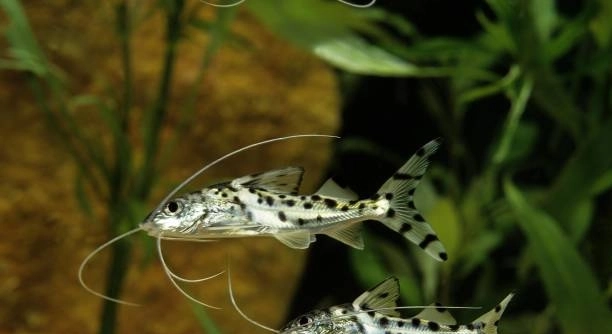
Pictus catfish are popular freshwater fish known for their active nature and striking appearance. Many aquarium enthusiasts enjoy watching their swift movements and unique behaviors. These fish often add life and interest to a home aquarium setup.
Pictus catfish can be conditioned to respond to feeding cues and recognize their owners to some extent. Through consistent interaction and positive reinforcement, they may learn to approach when called or offered food. However, this training is limited and varies by individual fish.
Learning about how to build a connection with your pictus catfish can enhance your experience as a fish keeper. Small efforts in training can create rewarding moments and improve your fish’s daily routine.
Understanding Pictus Catfish Behavior
Pictus catfish are naturally shy but curious creatures. They prefer to stay near the bottom of the tank and are mostly active during the night or in low light. Their quick movements and schooling behavior help them feel safe. When they feel comfortable, they may swim closer to the surface or around the tank. These fish rely heavily on their senses of smell and touch rather than sight, which makes their interaction with owners different from more visually oriented fish. Their cautious nature means that building trust takes time. Feeding them regularly at the same spot can help them learn to expect food and associate your presence with positive experiences. It is important to provide hiding spaces and maintain good water quality to keep them relaxed. With patience, their natural curiosity can help them become more responsive to feeding cues and interaction.
Pictus catfish rarely seek attention but respond to routine feeding patterns. They can learn to identify the presence of food or the owner’s approach by sound or vibration.
Training a pictus catfish requires consistent signals like tapping the tank or shaking food containers. Over time, they may swim toward the source of these signals. This behavior shows a basic form of learning based on stimulus and reward. While they won’t come like a dog or cat, they do recognize that certain cues mean food or safety. Repetition and patience are key. Avoid sudden movements or loud noises to keep the fish comfortable. Their ability to respond depends on the individual fish’s temperament and environment.
Tips for Training Pictus Catfish
Training pictus catfish starts with regular feeding schedules and consistent cues.
Use simple signals such as tapping on the tank glass or gently shaking the food container before feeding. These cues help the fish associate the sound with food. Feeding at the same time every day strengthens this connection. Avoid overfeeding to keep the fish healthy and motivated. Gradually, the catfish will learn to swim closer when these signals happen. It is important to be patient and avoid stressing the fish, as sudden changes can cause them to hide or become less responsive. Positive reinforcement through feeding creates a better chance for the fish to recognize and respond to the owner.
Building trust with pictus catfish takes time and gentle handling. Avoid sudden movements and loud noises around the tank, as these can scare them. Providing a calm and stable environment with plenty of hiding spots encourages them to explore more. Interact quietly and consistently, using the same cues every time you feed. This helps the fish feel safe and gradually increases their willingness to come near. Remember that each fish has a unique personality, so responses may vary. With patience and care, you can create a more interactive experience that benefits both you and your pictus catfish.
Common Challenges in Training Pictus Catfish
Pictus catfish can be unpredictable, making training challenging. Their natural skittishness means they may hide when approached suddenly or if the tank environment changes unexpectedly. Maintaining consistency is key to overcoming these challenges.
One difficulty is their nocturnal nature, which means they are less active and visible during the day. This can make it hard to establish regular interaction times. Additionally, they rely more on their senses of smell and lateral line detection than vision, so visual cues alone are often ineffective. Environmental stress, like poor water quality or aggressive tank mates, can also reduce their responsiveness. Ensuring a peaceful tank and regular feeding routine helps reduce stress and improve training outcomes.
Another challenge is that individual fish vary greatly in personality. Some pictus catfish are naturally more curious and willing to approach, while others remain shy and distant. Being patient and observing each fish’s behavior closely allows you to adapt your training approach. Use gentle, quiet signals and reward positive responses consistently to encourage progress. Avoid rushing the process, as forcing interaction may cause the fish to retreat further.
Benefits of Training Your Pictus Catfish
Training pictus catfish improves their comfort level with you and their environment. It can lead to more frequent interactions and less stress during feeding times.
When pictus catfish learn to recognize feeding cues, they approach the surface more readily, making tank maintenance easier. This interaction also supports mental stimulation, which is beneficial for their overall health. Training helps you notice changes in behavior early, signaling health issues or tank problems. The bond created through training makes watching your aquarium more engaging. It provides a sense of accomplishment as you observe your fish respond to your presence. Overall, training enhances both your experience and the well-being of your pictus catfish.
How to Start Training Your Pictus Catfish
Begin by feeding your pictus catfish at the same time every day. Use a gentle tap or sound cue before feeding to signal mealtime. Consistency helps them connect the cue with food.
Keep your movements slow and calm around the tank. Sudden motions can scare them and slow progress. Patience is essential.
Using Food as a Motivator
Food is the most effective motivator for training pictus catfish. Use small, nutritious pellets or sinking wafers to encourage them to come closer. Avoid overfeeding to maintain their health and eagerness to respond. Rewarding positive behavior with food strengthens the association between the cue and feeding, making training more successful.
Creating a Comfortable Environment
Ensure the tank has plenty of hiding spots and stable water conditions. A comfortable environment helps pictus catfish feel safe, increasing their willingness to interact and respond to training cues. Stress-free fish are more likely to learn.
Consistency is Key
Regular practice with the same signals and feeding times is crucial. Consistency helps pictus catfish learn to associate cues with rewards and improves training results over time.
FAQ
Can pictus catfish really recognize their owners?
Pictus catfish do not recognize owners in the way pets like dogs or cats do. Instead, they learn to associate certain sounds or movements with feeding times. Over time, they may swim closer when they detect familiar cues, but this is more about recognizing routine than personal connection.
How long does it take to train a pictus catfish?
Training time varies by individual fish and tank conditions. Some pictus catfish may begin responding to feeding cues within a few weeks, while others might take longer. Patience and consistency are important, as rushed or irregular training can cause stress and reduce responsiveness.
What type of food works best for training?
Small sinking pellets, wafers, or frozen foods like bloodworms are effective because they match the catfish’s natural feeding habits. Using nutritious, easy-to-eat foods helps keep the fish healthy and motivated. Avoid overfeeding to maintain their interest and well-being.
Can pictus catfish be trained to respond to hand signals?
Pictus catfish rely more on vibrations and smell than sight, so hand signals alone are usually ineffective. Using sounds, such as tapping the tank or shaking the food container, works better. Combining these with feeding creates stronger conditioning.
What if my pictus catfish hides during training?
Hiding is a natural response when fish feel stressed or threatened. To reduce hiding, keep the tank environment stable with plenty of hiding spots and avoid sudden movements or loud noises. Gradual, calm interactions help build trust over time.
Is it safe to tap on the glass for training?
Gentle tapping is generally safe and helps signal feeding time. However, tapping too hard or too often can stress the fish. Use light taps consistently, and observe your fish’s behavior to ensure they are not frightened.
Can multiple pictus catfish be trained together?
Yes, pictus catfish often school together and can respond to the same feeding cues. Training multiple fish can be easier because they learn from each other’s behavior. Make sure all fish get enough food during training to avoid competition.
Will training improve the health of my pictus catfish?
Training itself does not directly improve health, but the increased interaction helps monitor fish behavior closely. Early detection of health issues is easier when fish show regular, predictable responses. Also, mental stimulation from training may reduce stress.
What should I avoid during training?
Avoid sudden tank changes, loud noises, and overfeeding. These can stress your pictus catfish and hinder their willingness to respond. Patience and gentle, consistent cues are more effective for success.
Can pictus catfish learn tricks like other pets?
Their learning is limited to simple associations with feeding and environmental cues. They do not perform tricks but can learn to respond to sounds or signals related to food. Expecting complex behaviors is unrealistic due to their natural instincts.
How often should I train my pictus catfish?
Short, daily sessions work best. Consistency helps reinforce behavior without overwhelming the fish. Avoid long or frequent sessions that could cause stress or fatigue.
Does tank size affect training success?
A comfortable tank with enough space and hiding areas improves fish confidence and willingness to respond. Overcrowded or poorly maintained tanks cause stress, making training difficult.
What are signs that my pictus catfish is stressed?
Hiding excessively, loss of appetite, erratic swimming, or staying still are signs of stress. Addressing water quality, tank mates, and environmental factors can help reduce stress and improve training results.
Can I train other catfish species the same way?
Some catfish species may respond similarly to feeding cues, but behavior varies widely. Research your specific species’ habits and needs to tailor training methods accordingly.
How important is water quality during training?
Water quality is critical. Poor conditions stress fish and reduce their ability to learn. Keep ammonia, nitrite, and nitrate levels low, and maintain stable temperature and pH to support healthy, responsive fish.
Is it necessary to use a specific training schedule?
Using a regular schedule helps pictus catfish form predictable routines. Feeding and training at the same times daily builds a reliable connection between cues and rewards, making training more effective.
What if my pictus catfish stops responding?
Lack of response may indicate stress, illness, or changes in the tank environment. Check water parameters and observe behavior carefully. Give the fish time to recover and return to regular routines before continuing training.
Can I train a pictus catfish alone, or do I need help?
Training can be done solo. Consistency and patience are more important than assistance. Spend quiet, focused time with the tank, using clear cues to encourage responses.
Does lighting affect pictus catfish training?
Pictus catfish prefer dim or low light, as they are nocturnal. Bright lighting may cause stress and reduce activity, making training more difficult. Use subdued lighting for better results.
Are there any health risks in training pictus catfish?
Training itself poses minimal risk if done gently. Avoid overfeeding and excessive tapping, which can cause stress or injury. Always prioritize the fish’s well-being over training goals.
How can I tell if my training methods are working?
Signs include fish approaching the feeding area quickly after a cue, reduced hiding, and calmer behavior during interaction. Progress may be slow but steady with consistent effort.
Training pictus catfish to come to you is possible, but it requires patience and understanding. These fish are not like dogs or cats that respond to their names or hand signals. Instead, they rely mostly on their senses of smell and touch, which means training focuses on creating consistent routines and using feeding cues. When you feed them regularly and use simple signals like tapping the tank or shaking the food container, pictus catfish can learn to associate these actions with food. Over time, they may swim closer to the source of the cue, showing a basic level of recognition. It is important to remember that this response varies by individual fish, and some may be more willing to interact than others.
Creating a calm and comfortable environment helps improve the chances of success. Pictus catfish are naturally shy and can become stressed easily if there are sudden changes or loud noises around their tank. Providing plenty of hiding spots and maintaining good water quality will keep them relaxed and more open to interaction. Being consistent with feeding times and training signals builds trust between you and your fish. Avoid rushing the process or trying to force interaction, as this may cause them to hide or become less responsive. With gentle and steady effort, you can build a better connection that makes watching and caring for your pictus catfish more enjoyable.
While training pictus catfish does not produce dramatic tricks or behaviors, it can still enhance your experience as a fish keeper. The small moments when your fish respond to cues or approach the feeding area add interest to daily tank care. This interaction also allows you to monitor your fish’s health more closely, as changes in behavior often signal stress or illness early on. Remember that each fish is different, so the key to success lies in patience and respect for their natural habits. By maintaining a steady routine and a peaceful environment, you create the best conditions for your pictus catfish to respond and thrive.

Hello,
If you enjoy the content that we create, please consider saying a "Thank You!" by leaving a tip.
Every little bit helps us continue crafting quality advice that supports the health, happiness, and well-being of pets around the world, for pets of all shapes, sizes, and species.
We really appreciate the kindness and support that you show us!