
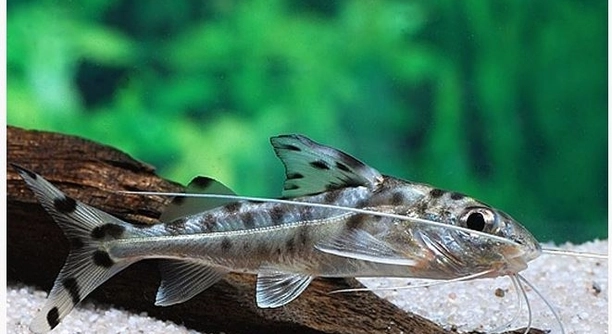
Many aquarium owners enjoy keeping Pictus catfish for their unique appearance and lively behavior. These fish are naturally more active at night, which can sometimes make them seem less visible during the day. Understanding how to keep them engaged after dark benefits both the fish and the owner.
Keeping Pictus catfish active at night involves providing a suitable environment, including dim lighting, proper tank setup, and varied feeding routines. Enrichment through hiding spots and gentle stimulation supports their natural nocturnal behaviors and overall well-being.
Maintaining these conditions will help ensure your Pictus catfish stay healthy and vibrant through the night hours.
Create a Comfortable Nighttime Environment
Pictus catfish prefer darker environments, especially during their active hours at night. Keeping the tank lighting low or using a soft blue LED light can help mimic their natural habitat. Bright lights may stress them and reduce activity. Adding plenty of plants, driftwood, and rocks offers hiding spots that make them feel safe and encourage exploration. Avoid overcrowding the tank, as it can lead to stress and less movement. Regularly cleaning the tank and maintaining good water quality are also essential. Fish tend to be more active when their environment is stable and healthy. Monitoring temperature and pH levels keeps conditions ideal, supporting the catfish’s natural rhythms. This setup encourages your Pictus catfish to move around more and display their unique behaviors during the night.
Low lighting combined with a well-decorated tank is key for keeping Pictus catfish comfortable and active.
Creating the right environment allows the catfish to follow their natural patterns without unnecessary stress. Observing them in a setting that feels safe boosts their activity and overall health. Adding natural elements and managing light levels supports their nocturnal lifestyle and helps prevent boredom or lethargy.
Vary Their Diet to Boost Activity
Changing the types of food you offer your Pictus catfish encourages them to be more active at night. Feeding a mix of sinking pellets, frozen or live foods like bloodworms or brine shrimp stimulates their hunting instincts. Avoid overfeeding, as excess food can harm water quality and reduce their energy. Feeding smaller amounts multiple times during the evening keeps them engaged and moving. The variety not only provides better nutrition but also keeps mealtime interesting. This variety can motivate your catfish to search and explore the tank, promoting natural behavior. Making feeding time an event helps reduce inactivity and keeps the fish alert during their nighttime active phase.
Provide Adequate Space for Swimming
Pictus catfish need enough room to swim freely, especially at night when they are most active. A cramped tank limits their movement and can lead to stress and inactivity.
A tank size of at least 30 gallons is recommended for a small group of Pictus catfish. This size allows them to swim comfortably and express their natural behaviors. Open areas within the tank, free from decorations or plants, give them space to dart around. Avoid overcrowding by limiting the number of fish, which reduces competition and stress. Proper swimming space helps maintain their health and keeps them energetic during nighttime.
Adequate space also supports better water circulation and oxygen levels, which contribute to the fish’s stamina. When Pictus catfish have room to explore, they show more lively and natural activity, making your aquarium more enjoyable to watch.
Introduce Gentle Nighttime Stimulation
Using gentle movements or soft sounds near the tank can encourage Pictus catfish to become more active after dark. They respond to subtle environmental changes that mimic their natural habitat.
Soft tapping on the tank glass or dimming the lights gradually can stimulate their senses without causing stress. Avoid loud noises or sudden bright flashes, as these can frighten the fish and reduce activity. Playing gentle background sounds like water flow or soft ambient noise may also keep them curious and moving. These mild stimuli help maintain their interest and promote natural exploration at night, encouraging them to be more visible and lively.
Use Live Plants in the Tank
Live plants create a natural environment that encourages Pictus catfish to explore and stay active. They provide hiding spots and improve water quality, both important for nighttime activity.
Plants also reduce light intensity by creating shaded areas. This makes the tank feel safer and more comfortable for the catfish during their active hours.
Maintain Stable Water Conditions
Consistent water temperature, pH, and cleanliness are crucial for keeping Pictus catfish active. Sudden changes can stress them and lower their activity levels. Monitoring these factors regularly helps maintain their health and encourages natural behavior, especially at night when they are most active.
Feed at Night for Better Activity
Feeding Pictus catfish during their active period at night stimulates their natural hunting behavior. Offering food after lights dim encourages them to move and explore the tank in search of meals.
Avoid Overcrowding
Too many fish in the tank can lead to stress and reduce activity levels. Keeping the population balanced ensures that Pictus catfish have enough space and resources to remain lively during their nocturnal hours.
FAQ
How can I tell if my Pictus catfish is active enough at night?
Pictus catfish typically swim around the tank, explore hiding spots, and search for food during their nighttime activity. If your catfish is resting too much or hiding constantly, it may be less active than usual. Watching their movement after the lights dim helps you assess their natural behavior.
What lighting is best to encourage nighttime activity?
Soft, dim lighting or blue LED lights work best. Bright lights can stress Pictus catfish and reduce their activity. Using a low light level mimics their natural habitat and helps them feel comfortable moving around the tank during the night.
Is it okay to feed Pictus catfish every night?
Feeding your Pictus catfish small portions every night is beneficial, as it matches their natural feeding schedule. However, avoid overfeeding, which can cause water quality issues and make them less energetic. Multiple small feedings encourage more movement.
Can tank size affect how active my Pictus catfish are?
Yes, a small or overcrowded tank limits swimming space, leading to less activity and stress. Providing at least 30 gallons for a group of Pictus catfish gives them room to swim freely and behave naturally during their active periods.
What types of food keep Pictus catfish most active?
Varied diets including sinking pellets, frozen or live foods like bloodworms and brine shrimp stimulate natural hunting instincts. This variety encourages movement and engagement during feeding times, especially at night.
How important is water quality for nighttime activity?
Very important. Poor water quality stresses the fish and reduces activity. Regular water changes and monitoring parameters like temperature and pH support healthy, active catfish.
Will tank decorations affect their activity?
Yes, too many decorations can limit swimming space, while too few may cause boredom. A balanced setup with plants, driftwood, and open areas provides hiding spots and room to swim, promoting natural activity.
Can I use night-specific tank accessories to boost activity?
Yes, using blue or dim lights and adding gentle background sounds can help. These accessories simulate natural conditions and gently stimulate the catfish without causing stress, encouraging more nighttime movement.
Do Pictus catfish prefer to be kept alone or in groups?
Pictus catfish are social and do better in small groups of three or more. Group living encourages natural interaction and activity. However, make sure the tank is large enough to accommodate them comfortably.
How do sudden changes in the environment affect their activity?
Sudden changes like temperature shifts, new tank mates, or rearranged decorations can stress Pictus catfish. This stress usually causes them to hide or become inactive. Keeping a stable environment supports consistent nighttime activity.
Is it normal for Pictus catfish to hide most of the day?
Yes, they are naturally nocturnal and tend to rest or hide during daylight. Providing sufficient hiding places helps them feel safe and encourages more activity after dark.
What should I do if my Pictus catfish is not active at night?
Check water quality, tank size, lighting, and feeding routines first. Adjusting these factors usually helps. If inactivity persists, consider consulting a specialist to rule out illness or stress.
Can temperature changes affect their activity?
Yes, Pictus catfish prefer temperatures between 72-78°F (22-26°C). Temperatures outside this range can slow their metabolism and reduce nighttime movement.
How often should I clean the tank to keep them active?
Regular partial water changes every 1-2 weeks keep water clean without stressing the fish. Clean tanks support better health and encourage natural activity levels.
Are there any signs of illness that affect activity?
Lethargy, loss of appetite, or unusual hiding can signal illness. Sick catfish become less active. Early detection and treatment are important for restoring their energy.
Keeping Pictus catfish active at night is important for their health and happiness. These fish are naturally more lively when the tank is dimly lit, and they have enough space to swim around. Providing a comfortable environment with hiding spots and soft lighting helps them feel safe and encourages movement. When their surroundings match what they would experience in the wild, they show more natural behaviors. This makes it easier to enjoy watching them as they explore and interact in their tank.
Feeding plays a big role in keeping Pictus catfish active after dark. Offering a variety of foods, such as sinking pellets and live or frozen options, keeps their diet interesting and encourages natural hunting instincts. Feeding smaller amounts multiple times during the evening helps maintain their energy and motivation to move. It is also important to avoid overfeeding, which can cause water problems and reduce activity. A well-balanced feeding routine supports both their health and their nighttime activity.
Water quality and tank maintenance are key to promoting activity in Pictus catfish. Stable temperature and clean water reduce stress and help the fish stay energetic. Regular partial water changes and careful monitoring of pH levels create a healthy environment that supports their natural rhythms. Avoid overcrowding the tank, as too many fish limit swimming space and lead to stress. By paying attention to these details, you can help your Pictus catfish remain active and enjoy a better quality of life.

Hello,
If you enjoy the content that we create, please consider saying a "Thank You!" by leaving a tip.
Every little bit helps us continue crafting quality advice that supports the health, happiness, and well-being of pets around the world, for pets of all shapes, sizes, and species.
We really appreciate the kindness and support that you show us!