
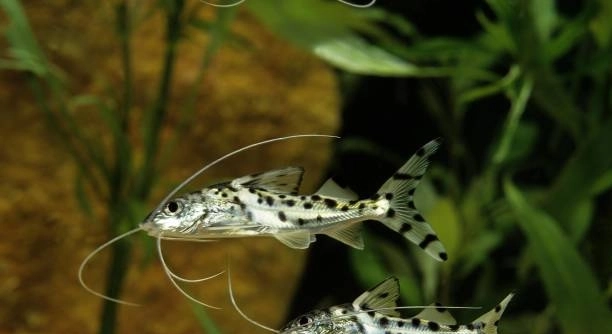
Many people enjoy keeping pictus catfish in their aquariums because of their unique look and peaceful nature. These fish have distinct patterns and a graceful swimming style that adds interest to any tank. Recognizing their relaxed state helps owners care for them better.
A relaxed pictus catfish typically has smooth, gentle movements and a calm posture. Its fins are spread naturally, and the body shows no signs of stress or rapid breathing. The fish rests comfortably, often near the bottom or mid-level of the tank.
Learning to identify these signs can improve your experience as a fish keeper and ensure your pictus catfish stays healthy and content in its environment.
Physical Signs of a Relaxed Pictus Catfish
A relaxed pictus catfish usually shows clear physical signs that indicate it feels safe and comfortable. Its body appears smooth and steady without sudden jerks or quick darting movements. The fins are fully spread and gently waving, not clamped against the body. The fish’s coloration is consistent and vibrant, without pale patches that can signal stress. Eyes look bright and alert but not overly wide or bulging. You may notice the catfish resting calmly on a flat surface or slowly swimming through the water, maintaining an even position. These fish prefer to stay near the bottom or mid-level of the tank when relaxed, avoiding frantic swimming or hiding. Breathing is steady and not rapid. These physical cues help identify when your pictus catfish is at ease in its environment and well-adjusted to the aquarium.
Relaxed pictus catfish often swim in smooth, flowing patterns rather than sudden bursts of speed.
Observing these physical behaviors regularly can improve your care for the fish. By recognizing calm body language, you can ensure the tank conditions are right and adjust if you see signs of stress. Maintaining clean water, proper temperature, and a peaceful environment supports their relaxed state. With patience, you’ll learn to notice these subtle details and create a more comfortable space for your catfish.
Environmental Factors Affecting Relaxation
Lighting and tank setup play a big role in how relaxed a pictus catfish feels. Bright lights or sudden changes can startle them. They prefer dim or moderate lighting with some hiding spots like plants or rocks.
Tank size and water quality also matter greatly. Too small a tank or poor water conditions cause stress. Regular water changes and proper filtration help keep them calm. Keeping the tank stable with little disturbance lets the fish settle in more comfortably. When these factors are right, the pictus catfish shows its natural, relaxed behavior more often.
Behavioral Traits of a Relaxed Pictus Catfish
A relaxed pictus catfish moves slowly and smoothly, often gliding through the water without sudden jerks. It explores its environment calmly and may rest near decorations or plants. It does not hide excessively or dart around nervously.
These catfish tend to swim near the tank’s bottom or mid-level when relaxed. They may occasionally hover in one spot or gently interact with tank mates without signs of aggression or fear. Their behavior is consistent and predictable, showing comfort in their surroundings.
When calm, pictus catfish also engage in regular feeding without hesitation. They approach food confidently, showing normal appetites. If your catfish eats steadily and interacts with the environment without stress, it is a good sign of relaxation. Watching these behaviors can help you spot when something changes and act to improve their well-being.
Common Mistakes That Cause Stress
Many owners unintentionally stress their pictus catfish by changing tank conditions too quickly. Sudden temperature shifts, strong water currents, or loud noises can unsettle them.
Stress also comes from overcrowded tanks or incompatible tank mates. These fish prefer peaceful companions and enough space to swim freely. Overfeeding or irregular feeding times can disrupt their routine, causing discomfort. Avoid bright, constant lighting without shaded areas, as this can increase stress levels. Consistency in care and environment supports their calm state. Being mindful of these factors can help prevent unnecessary stress and keep your catfish relaxed.
How to Create a Calm Environment
Soft lighting and quiet surroundings help pictus catfish feel secure. Providing plenty of hiding spots with plants or decorations allows them to relax when needed.
Maintaining stable water temperature and clean water conditions is essential. Avoid sudden changes that might disturb their calm state.
Feeding Habits of a Relaxed Pictus Catfish
A relaxed pictus catfish eats regularly and eagerly when food is offered. It approaches the feeding area without hesitation and shows steady interest in its diet. Avoid overfeeding, which can cause stress or health issues. A balanced feeding routine helps maintain its calm behavior.
Interaction with Tank Mates
Peaceful tank mates support a relaxed pictus catfish. Aggressive or overly active fish can cause stress and disrupt calm behavior. Choosing compatible species creates a more stable and peaceful aquarium environment.
FAQ
How can I tell if my pictus catfish is stressed or relaxed?
A relaxed pictus catfish moves slowly and smoothly with fins spread naturally. It swims calmly, eats regularly, and rests comfortably. Stress signs include rapid or erratic swimming, clamped fins, hiding excessively, and pale or dull coloration. Watching these behaviors closely helps identify their state.
What tank conditions help keep pictus catfish calm?
Stable water temperature, clean water, moderate lighting, and plenty of hiding spots help maintain calmness. Avoid loud noises, sudden changes in environment, and overcrowding. Peaceful tank mates also play an important role in reducing stress for pictus catfish.
Why does my pictus catfish hide so much?
Hiding is natural for pictus catfish, especially if they feel threatened or stressed. Lack of hiding spots or poor tank conditions can increase hiding. Providing plants, caves, and shaded areas helps them feel safe and encourages more relaxed behavior.
Is it normal for pictus catfish to rest at the bottom?
Yes, pictus catfish often rest near the tank bottom or mid-level when relaxed. They prefer resting on smooth surfaces or near decorations. Resting is a sign they feel safe and comfortable in their environment.
How often should I feed my pictus catfish?
Feeding once or twice daily with appropriate portions is ideal. Overfeeding can cause water quality issues and stress the fish. A varied diet of sinking pellets, live or frozen foods supports health and relaxation.
Can tank mates affect my pictus catfish’s behavior?
Yes, aggressive or overly active tank mates can cause stress and disrupt calm behavior. Choosing peaceful companions that share similar water needs helps create a harmonious environment, promoting relaxation.
What lighting is best for pictus catfish?
Dim or moderate lighting with shaded areas is best. Bright, constant lighting can cause stress. Using floating plants or decorations to create shadowy spots helps pictus catfish feel more secure.
How important is water quality for pictus catfish’s relaxation?
Water quality is very important. Clean water with stable parameters reduces stress and supports healthy behavior. Regular water changes and good filtration keep the tank environment safe and comfortable for the fish.
Why does my pictus catfish sometimes dart around suddenly?
Sudden darting can be a response to stress, a reaction to tank mates, or environmental disturbances. It can also happen if the fish feels threatened or startled. Calm, stable tank conditions reduce these behaviors.
Can I handle my pictus catfish to calm it down?
Handling is generally stressful for pictus catfish and should be avoided unless necessary. They prefer minimal disturbance. Using gentle care and maintaining a peaceful tank environment is a better way to keep them relaxed.
How do I know if my pictus catfish is healthy and relaxed?
A healthy, relaxed pictus catfish has smooth swimming patterns, steady breathing, vibrant coloration, and normal appetite. It interacts calmly with its environment and tank mates. Regular observation helps monitor their well-being effectively.
What should I do if my pictus catfish shows signs of stress?
Check water quality and tank conditions immediately. Reduce lighting, provide more hiding spots, and remove aggressive tank mates if needed. Maintain a stable environment and feed a balanced diet to support recovery and relaxation.
Final Thoughts
A relaxed pictus catfish shows clear signs that it is comfortable and safe in its environment. By paying attention to its behavior and physical cues, such as smooth swimming, natural fin position, and steady breathing, you can better understand when your fish is feeling calm. These signs also tell you that the tank conditions are suitable for the fish’s well-being. Observing your pictus catfish regularly helps you notice changes early and take action if needed. This attention improves the fish’s quality of life and makes your aquarium a more peaceful place.
Creating the right environment is key to keeping your pictus catfish relaxed. Stable water conditions, moderate lighting, and plenty of hiding spots all contribute to the fish’s comfort. Avoiding sudden changes, loud noises, and aggressive tank mates also reduces stress. Consistency in care routines, such as feeding schedules and tank maintenance, supports calm behavior. When you provide these basics, your pictus catfish can live happily and show its natural, peaceful traits. Taking the time to learn about their needs helps you create a better home for them.
Understanding the behavior and needs of a pictus catfish is important for any fish keeper. These fish are sensitive to their surroundings but respond well when cared for properly. By recognizing signs of relaxation and stress, you can make small adjustments to improve their environment. This leads to healthier, more active fish that enjoy life in the aquarium. Paying close attention to these details is a simple way to ensure your pictus catfish thrives and remains a calm and beautiful part of your tank.

Hello,
If you enjoy the content that we create, please consider saying a "Thank You!" by leaving a tip.
Every little bit helps us continue crafting quality advice that supports the health, happiness, and well-being of pets around the world, for pets of all shapes, sizes, and species.
We really appreciate the kindness and support that you show us!