
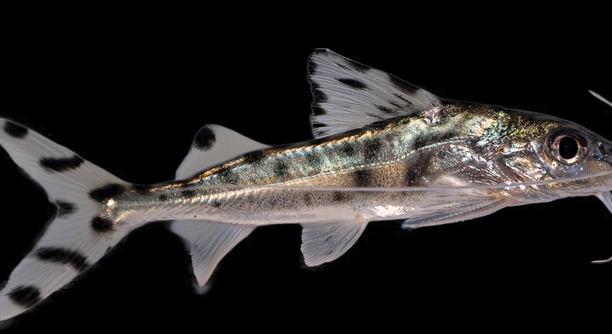
Pictus catfish are popular aquarium fish known for their active nature and distinctive spots. These fish often seek out places to hide throughout the day, which helps them feel safe and secure in their environment. Understanding their hiding preferences can improve their care.
Pictus catfish prefer to hide in shaded areas, among plants, under rocks, inside caves, behind driftwood, beneath leaves, and near the tank’s bottom substrate. These spots offer shelter and mimic their natural habitats, reducing stress and promoting healthy behavior.
Knowing where pictus catfish like to hide helps create a more comfortable tank environment. This knowledge supports their well-being and encourages natural activity in your aquarium.
Shaded Areas and Dense Plants
Pictus catfish feel most secure in shaded areas because these spots offer a break from bright lights and reduce stress. Dense plants provide excellent cover, mimicking their natural environment in rivers and streams. You might notice your catfish resting or darting between plant leaves, using them as safe hiding spots during the day. When setting up your tank, consider adding tall plants like Java fern or Anubias, which offer plenty of shaded nooks. These plants not only create shelter but also help improve water quality by absorbing nitrates. Having natural hiding places encourages the fish to show more of their playful behavior and reduces signs of anxiety. Avoid overcrowding the tank with plants, but a balanced amount will keep your catfish comfortable and healthy. A well-planted tank also adds to the overall aesthetic, making your aquarium a pleasant environment for both you and your fish.
Shaded areas and dense plants provide shelter and reduce stress, encouraging natural behavior and a healthier habitat for pictus catfish.
Creating shaded hiding spots is essential for pictus catfish comfort. These areas offer protection from light and potential disturbances, promoting calmness. When selecting plants, choose hardy species that tolerate low light and provide broad leaves. Position plants strategically to form small “caves” or pockets where the fish can retreat. Regularly check plant health and remove decaying leaves to maintain clean hiding places. Combining shaded plants with other tank features like rocks or driftwood enhances the environment’s complexity, supporting the catfish’s instinctual need to hide. This balance also benefits other tank inhabitants by creating multiple microhabitats. Paying attention to lighting intensity helps maintain these shaded zones. Overall, thoughtfully arranged plants improve both fish well-being and the visual appeal of the aquarium.
Hiding Under Rocks and Driftwood
Pictus catfish often seek refuge under rocks and driftwood because these structures offer sturdy, stable shelters. These spots provide a sense of security, especially in community tanks where they may feel threatened by more active or larger fish. Rocks create cool, shaded pockets that help the catfish regulate their body temperature and avoid bright lights. Driftwood adds natural texture and subtle tannins to the water, which some believe has mild antibacterial properties and helps lower pH slightly, benefiting fish health. When choosing rocks, smooth ones without sharp edges are best to avoid injuries. Driftwood should be properly soaked and cleaned before placing it in the tank. Position these items to form caves or overhangs where the fish can slip underneath easily but still observe their surroundings. Providing these hiding spots supports the catfish’s natural instincts and reduces stress-related behaviors.
Rocks and driftwood create secure, natural shelters that protect pictus catfish and contribute positively to water conditions and tank aesthetics.
Rocks and driftwood serve as essential hiding places, giving pictus catfish safe retreat areas that replicate their natural habitat. These features also offer resting spots where fish can feel calm and protected. Careful placement ensures accessibility without crowding the tank. Over time, driftwood may develop biofilm or algae, which catfish sometimes nibble on, adding a minor food source. Maintaining clean rocks and driftwood is important to prevent buildup of debris or harmful bacteria. Together, these elements add variety and complexity to the tank environment, making it more engaging for the fish. This encourages natural behaviors such as exploring and resting, improving overall fish welfare. Ensuring a variety of hiding places, including rocks and driftwood, supports the health and happiness of your pictus catfish.
Inside Caves and Hollow Decorations
Caves and hollow decorations offer perfect hiding spots for pictus catfish. These structures provide a secure, enclosed space where the fish can retreat when feeling threatened or need rest. They help mimic the natural crevices found in riverbeds.
Caves made from ceramic, resin, or natural stone work well. Make sure entrances are wide enough for your catfish to enter comfortably. Position caves in quieter parts of the tank to avoid too much disturbance. These hiding places help reduce stress and encourage natural behaviors like exploring and resting.
Hollow decorations provide shelter and reduce anxiety in pictus catfish. Regular cleaning is important to prevent buildup inside caves. Over time, biofilm may form on surfaces, which some catfish nibble on. Using multiple caves in different tank areas gives your fish choice, which supports their well-being.
Beneath Leaf Litter and Tank Substrate
Leaf litter mimics natural riverbeds and offers a soft, protective cover for pictus catfish to hide beneath. Adding dried Indian almond or oak leaves creates a natural environment that can gently lower pH and release beneficial tannins.
Leaf litter and substrate provide essential hiding spots that promote calm behavior. Catfish often rest under leaves or partially bury themselves in soft substrate, helping them feel safe. A fine gravel or sand substrate works best, allowing easy digging and burrowing. Regular maintenance is necessary to remove excess debris and prevent water quality issues. This combination of leaf litter and substrate encourages natural instincts and supports overall fish health.
Catfish like to burrow in substrate to avoid strong currents and bright lights. It also offers a place to forage for leftover food, keeping them engaged and active. Keeping substrate clean and soft ensures your catfish can comfortably use this hiding strategy without risk of injury or stress.
Near the Tank Bottom
Pictus catfish often stay close to the tank bottom, where they feel most secure. This area provides easy access to food and shelter from bright light.
The bottom is also where they naturally forage, using their barbels to detect food particles. A clean, soft substrate encourages this behavior.
Behind Filter Outlets
The area behind filter outlets creates a low-traffic zone where catfish can hide from more active fish. The water flow is gentler here, offering a calm retreat.
Under Floating Plants
Floating plants create shaded, sheltered areas on the water surface. Pictus catfish use the dim light underneath these plants as a hiding spot and rest area.
Between Decorations
Narrow spaces between tank decorations provide tight hiding spots. Pictus catfish often wedge themselves here to feel protected and less exposed.
FAQ
Where do pictus catfish like to hide the most?
Pictus catfish prefer places that feel safe and quiet. They often hide under plants, caves, driftwood, or rocks. Shaded areas and the tank bottom are popular spots. Providing multiple hiding places helps reduce stress and encourages natural behavior.
Why do pictus catfish hide so much?
Hiding is a natural instinct for pictus catfish. It helps them feel safe from predators or more aggressive tank mates. Hiding also allows them to rest and avoid bright lights. Stress or changes in the tank environment can increase hiding behavior.
How can I create good hiding spots for my pictus catfish?
Use a mix of plants, caves, rocks, and driftwood to create various hiding places. Make sure spaces are big enough for your catfish to enter easily. Adding leaf litter and soft substrate encourages natural burrowing and resting behavior. Keep these areas clean and well-maintained.
Do pictus catfish need hiding places if they live with other fish?
Yes. Even in peaceful community tanks, pictus catfish benefit from hiding spots. These areas allow them to escape if other fish become too active or territorial. Multiple hiding places help prevent stress and support healthy social interactions.
Can pictus catfish hide too much?
Hiding a lot can indicate stress or poor tank conditions. If your catfish hides constantly and rarely comes out, check water quality, lighting, and tank mates. Adjusting the environment or providing more hiding spots can help them feel more comfortable.
What materials are safe for creating hiding spots?
Natural materials like smooth rocks, driftwood, and live plants are ideal. Ceramic and resin caves made for aquariums are also safe. Avoid sharp or rough objects that could injure your fish. Always rinse decorations thoroughly before adding them to the tank.
How often should I clean hiding places?
Clean hiding spots regularly to prevent algae buildup and debris. Rinse caves, rocks, and driftwood with warm water, avoiding harsh chemicals. Trim dead plant leaves and remove decaying leaf litter. Keeping these areas clean supports healthy water conditions and fish health.
Will adding more hiding places reduce aggression in my tank?
Yes. More hiding spots reduce competition and territorial disputes by giving fish personal space. Pictus catfish and other species feel safer when they can retreat. This lowers stress and helps maintain a peaceful tank environment.
Do pictus catfish prefer natural or artificial hiding places?
They generally prefer natural hiding spots like plants, rocks, and driftwood. These mimic their natural habitat and provide better shelter. However, well-made artificial caves and decorations can also work well if they offer enough space and security.
Can lighting affect where pictus catfish hide?
Yes. Bright lighting makes pictus catfish seek shaded or covered areas to avoid stress. Dimmer lighting or shaded spots under plants and decorations encourage them to be more active and visible. Balancing light levels supports their natural behavior.
Finding the right hiding spots for pictus catfish is important for their well-being. These fish rely on places to feel safe and secure, which helps reduce stress and supports their natural behaviors. Offering a variety of hiding options like plants, caves, rocks, and driftwood creates a comfortable environment that closely resembles their natural habitat. When catfish have access to good hiding spots, they tend to be more active and display healthier behavior.
It is important to keep hiding places clean and well-maintained. Dirt, algae, and decaying plant matter can build up over time and affect water quality, which in turn impacts fish health. Regular cleaning of caves, rocks, and plants will ensure that these areas remain inviting for the fish. Soft substrate and leaf litter also provide important shelter, but they need attention to prevent the tank from becoming dirty. Maintaining good water conditions and a balanced tank environment supports the fish’s comfort and overall health.
Providing multiple hiding places is helpful, especially if the tank has other fish. Different spots allow pictus catfish to choose where they feel most secure. Some prefer shaded areas, while others like to hide under driftwood or inside caves. By offering a variety of options, you can meet the fish’s needs and help reduce their stress. This makes for a more peaceful tank where your pictus catfish can thrive and enjoy a more natural lifestyle.

Hello,
If you enjoy the content that we create, please consider saying a "Thank You!" by leaving a tip.
Every little bit helps us continue crafting quality advice that supports the health, happiness, and well-being of pets around the world, for pets of all shapes, sizes, and species.
We really appreciate the kindness and support that you show us!