
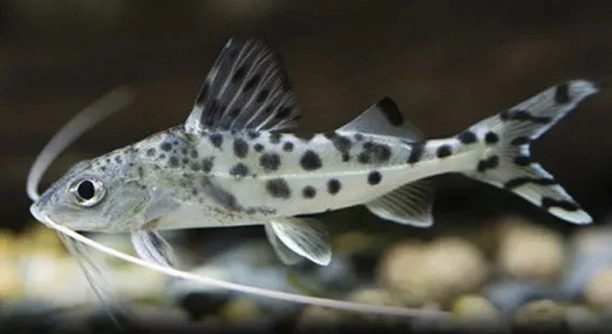
Is your Pictus catfish constantly searching the glass of its tank? This behavior can be puzzling for many fish owners who want to understand what’s behind the restless movement and what it means for their pet’s well-being.
Pictus catfish often search the glass due to stress, poor water quality, or the presence of reflections and vibrations. These factors can cause discomfort or confusion, prompting the fish to repeatedly explore the tank boundaries.
Knowing the reasons behind this behavior can help improve your fish’s environment and overall health, ensuring a more peaceful and comfortable home for your Pictus catfish.
Common Causes of Glass Searching Behavior
Pictus catfish often search the glass because they react to reflections or changes in their environment. Their natural curiosity makes them investigate anything that seems unfamiliar. If the tank lighting creates reflections, the fish might mistake them for other fish and try to interact. Another reason is stress caused by poor water quality. High ammonia, nitrite, or nitrate levels can make the fish uncomfortable and restless. Lack of hiding places or tank decorations may also cause the catfish to feel exposed, leading to constant movement along the glass. Sometimes, vibrations from outside the tank can trigger this behavior as well. Monitoring tank conditions regularly and providing adequate shelter can reduce glass searching.
Regular water testing and maintaining a clean environment are essential to prevent stress in your Pictus catfish. A well-kept tank with places to hide will help keep them calm and less prone to searching the glass.
Proper filtration, consistent water changes, and thoughtful tank setup are key to minimizing stress. Adding plants or decorations can create a safer environment, reducing the need for the fish to explore the glass. Adjusting lighting to minimize reflections also helps. Watching these factors closely will improve your catfish’s comfort and behavior significantly.
How Stress Affects Your Pictus Catfish
Stress is a major factor behind unusual behaviors in Pictus catfish. When stressed, they may constantly swim against the glass or show signs of agitation.
Stress affects fish health by weakening their immune system and increasing the risk of illness. Causes include poor water quality, overcrowding, or sudden changes in the tank environment. Stress also makes the fish more prone to infections and reduces their lifespan. Observing your catfish’s behavior can help identify stress early, allowing you to take necessary steps. Regular water changes, stable temperature, and gentle tank maintenance reduce stress levels. Providing hiding spots and ensuring compatible tank mates will help your Pictus catfish feel secure and less anxious. A calm, well-maintained tank encourages healthier, more natural behavior from your fish.
Reflections and Tank Environment
Reflections on the glass can confuse Pictus catfish. They may think these are other fish and try to interact with them, leading to constant searching behavior.
To reduce this, adjust your tank lighting and avoid placing the tank near windows or bright light sources. Using a background on the tank can also minimize reflections. Sometimes, cleaning the glass inside and out helps reduce glare. These small changes make a big difference in calming your catfish. A stable environment where your fish doesn’t see confusing images encourages more natural behavior.
In addition to lighting, the tank setup plays a role. Pictus catfish prefer tanks with hiding spots and plants, which reduce stress. When the tank is bare, they might feel exposed and wander more. Adding decorations or caves can help your catfish feel secure and less restless. Creating a comfortable environment that mimics their natural habitat encourages calmness and reduces unnecessary glass searching.
Water Quality and Its Impact
Poor water quality causes discomfort that can lead your Pictus catfish to search the glass frequently. Maintaining clean water is crucial for their health and behavior.
Regular testing of ammonia, nitrite, and nitrate levels is essential. High levels of these compounds stress the fish and can trigger abnormal actions like constant movement or glass searching. Frequent water changes and good filtration keep water conditions stable. Removing waste and uneaten food promptly also helps. Healthy water supports your catfish’s immune system and overall well-being, reducing unwanted behaviors.
A stable environment with clean water makes your Pictus catfish more relaxed and less prone to stress-induced actions. Keeping parameters in check is a simple but effective way to ensure your fish stays healthy and comfortable in its tank.
Overcrowding and Tank Size
Overcrowding stresses Pictus catfish, causing them to behave nervously and search the glass more often. Each fish needs enough space to swim freely.
A tank that is too small can limit their movement and increase aggression among tank mates. Providing adequate space helps reduce this restless behavior.
Signs of Illness in Pictus Catfish
Illness can make Pictus catfish uncomfortable, leading to unusual behavior like constantly searching the glass. Look for signs such as clamped fins, lethargy, or changes in appetite. Early detection and treatment are important for their recovery. Maintaining good water quality and a stress-free environment supports healing.
How to Create a Comfortable Environment
Adding plants, hiding spots, and soft substrate creates a calm habitat. These elements mimic their natural surroundings and reduce stress.
FAQ
Why does my Pictus catfish keep rubbing against the glass?
Rubbing against the glass can be a sign of irritation or discomfort. It might indicate parasites, poor water quality, or even skin infections. Check water parameters and look for any visible signs of illness. Improving tank conditions and treating infections promptly can stop this behavior.
Is it normal for Pictus catfish to be active at night?
Yes, Pictus catfish are nocturnal and tend to be more active during nighttime. They often explore and search for food then. If you see them searching the glass at night, it’s usually part of their natural behavior.
Can reflections cause aggression in Pictus catfish?
Reflections can confuse Pictus catfish into thinking there are other fish invading their territory. This may cause stress or aggressive behaviors such as chasing or searching the glass repeatedly. Reducing reflections with backgrounds or adjusting lighting helps lower this stress.
How often should I change the water to keep my Pictus catfish healthy?
Water changes should happen weekly, replacing about 20-30% of the tank water. Regular changes prevent buildup of toxins like ammonia and nitrates, keeping the fish healthy and comfortable. More frequent changes may be needed in crowded or heavily stocked tanks.
What tank size is best for a Pictus catfish?
A minimum of 30 gallons is recommended for a small group of Pictus catfish. They are active swimmers and need enough space to move freely. Overcrowding can lead to stress, causing restless behaviors like searching the glass.
What kind of tank mates work well with Pictus catfish?
Pictus catfish do well with peaceful, medium-sized fish. Avoid aggressive or very small fish that might be seen as prey. Good tank mates include tetras, danios, and larger rasboras. Compatibility helps reduce stress and aggressive behaviors.
Why does my Pictus catfish seem restless despite good water quality?
Restlessness can also come from boredom or lack of stimulation. Pictus catfish are curious and active. Providing hiding spots, plants, and some tank decorations can help keep them engaged and less likely to pace the glass.
Can diet affect my Pictus catfish’s behavior?
Yes, an unbalanced diet may cause stress and unusual behaviors. Pictus catfish prefer a varied diet including sinking pellets, live or frozen foods like bloodworms and brine shrimp. Feeding them properly supports their health and calm behavior.
What should I do if my Pictus catfish continues searching the glass despite changes?
If behavior persists, review all environmental factors like water quality, tank mates, and decorations. Sometimes, medical issues or stress are harder to detect. Consulting an aquatic vet or experienced fishkeeper may help identify underlying problems.
Is it harmful if my Pictus catfish constantly searches the glass?
While not directly harmful, constant searching is often a sign of stress or discomfort. Prolonged stress can weaken their immune system, making them prone to disease. Addressing causes early helps ensure a healthy, happy fish.
How can I reduce reflections and vibrations in the tank?
Use a dark background on the tank and avoid placing it near windows or busy areas. Adjust lighting to minimize glare. Place the tank on a sturdy surface to reduce vibrations from footsteps or nearby equipment. These changes create a calmer environment.
Do Pictus catfish prefer certain water temperatures?
They thrive in temperatures between 72°F and 79°F (22°C to 26°C). Keeping the temperature stable within this range helps reduce stress and promotes natural behavior.
Are there signs that indicate my Pictus catfish is stressed?
Signs include hiding more than usual, loss of appetite, rapid breathing, and excessive searching or rubbing behavior. Noticing these early lets you take quick action to improve their environment.
Can tank lighting affect my Pictus catfish’s glass searching?
Bright or flickering lights can stress fish, causing restless movement along the glass. Using dimmer, steady lighting or adjusting the photoperiod can reduce stress-related behaviors.
What decorations are best for Pictus catfish tanks?
Smooth rocks, caves, driftwood, and live plants work well. These provide hiding places and reduce exposed areas, helping the catfish feel secure and less prone to searching the glass.
How often should I clean the tank glass?
Cleaning the glass once a week is usually sufficient. Overcleaning can disturb beneficial bacteria, but dirty glass can increase reflections and irritate the fish. Use gentle tools to avoid scratching.
Is it normal for Pictus catfish to interact with their owners?
They can recognize movement outside the tank but don’t usually seek interaction like some other fish. Their searching the glass is more about environmental triggers than social behavior.
Should I quarantine new fish before adding them to my Pictus catfish tank?
Yes, quarantining new fish helps prevent introducing diseases or parasites. This protects your catfish and keeps the tank environment stable.
Can stress from loud noises affect my Pictus catfish?
Loud vibrations or noises can stress fish, causing behaviors like glass searching. Keeping the tank in a quiet, low-traffic area helps maintain a peaceful setting.
What is the ideal pH range for Pictus catfish?
A pH between 6.5 and 7.5 suits Pictus catfish well. Stable pH within this range supports their health and reduces stress-related behaviors.
How can I tell if my Pictus catfish is bored?
Signs of boredom include constant pacing and searching the glass without other triggers. Adding plants, decorations, and occasional enrichment with food can reduce boredom and restless behavior.
When a Pictus catfish is constantly searching the glass of its tank, it usually signals that something in its environment needs attention. This behavior can stem from stress, poor water quality, reflections, or a lack of hiding spots. Understanding these causes helps create a better habitat for your fish. By addressing the factors that cause discomfort, you can help your Pictus catfish feel more secure and relaxed. Paying close attention to the tank’s setup and conditions is essential for keeping your fish healthy and calm.
Maintaining good water quality is one of the most important steps in preventing restless behavior. Regular water changes, testing for ammonia, nitrites, and nitrates, and proper filtration all contribute to a stable environment. A clean and well-kept tank reduces stress and supports your fish’s overall well-being. Providing enough space and hiding places with plants or decorations also helps your catfish feel safe. This combination of clean water and a comfortable tank reduces the need for your fish to explore the glass constantly.
Finally, observing your Pictus catfish and its behavior over time is key. If the fish continues to search the glass despite improvements, it could indicate other issues like illness or stress from tank mates. Paying attention to any other changes, such as appetite or energy levels, can help identify problems early. Adjusting lighting, reducing reflections, and creating a peaceful environment also contribute to your fish’s comfort. Taking these steps ensures your Pictus catfish will be healthier, less stressed, and happier in its home.

Hello,
If you enjoy the content that we create, please consider saying a "Thank You!" by leaving a tip.
Every little bit helps us continue crafting quality advice that supports the health, happiness, and well-being of pets around the world, for pets of all shapes, sizes, and species.
We really appreciate the kindness and support that you show us!