
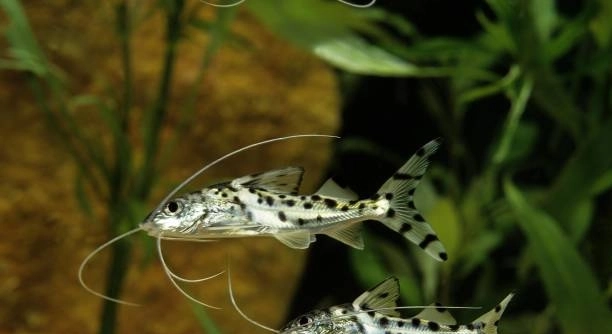
Is your Pictus catfish still swimming in the same setup you started with a year ago? Many fishkeepers begin with a small tank and wonder if it’s still enough after some time has passed.
Upgrading a Pictus tank after one year is often necessary due to their increased activity and size. A larger tank supports better water quality, allows more room for swimming, and reduces stress, leading to healthier and more active fish.
Making the right changes can greatly improve your Pictus catfish’s well-being and help you avoid common long-term care issues.
Why Tank Size Matters After One Year
A one-year-old Pictus catfish is far more active and larger than it was when first introduced to the tank. By this stage, its energetic swimming patterns and fast movements require more horizontal space than a beginner-sized tank offers. Tanks under 55 gallons may start to feel cramped, especially if more than one Pictus is housed together. Limited space can lead to stress, territorial behavior, and poor water conditions. Pictus catfish thrive when they have enough room to swim freely and hide when needed. A bigger tank also makes it easier to maintain stable parameters, which helps prevent illness. Upgrading at the one-year mark is not just about comfort—it’s about keeping the fish healthy and active. When the tank fits the fish’s growth and behavior, it creates a more natural and less stressful environment that’s easier to maintain and more rewarding to observe.
Small tanks can’t keep up with their needs forever.
Adding more space can also allow for new hiding spots and better filtration. A 75-gallon tank gives them the space they need to stretch out and move easily, especially if kept in groups. These fish prefer room to roam, and their wellbeing depends on it. An upgrade makes daily care easier and reduces risks like aggression or ammonia spikes. If you’ve also been noticing cloudy water more often or seeing signs of stress like frantic swimming, those are strong indicators that your current setup may no longer be suitable. As they grow, Pictus catfish become more sensitive to water quality and environmental changes, so a larger tank provides more buffering room. It also opens the option to add compatible tank mates later on, as long as aggression is monitored. Giving them a proper upgrade improves their activity levels and keeps their behavior natural and stress-free.
Signs It’s Time to Upgrade
If your Pictus catfish is showing erratic swimming, hiding more, or bumping into tank walls, it may be time to upgrade.
As Pictus catfish mature, they need consistent space and water stability. Overcrowded tanks can lead to constant spikes in ammonia and nitrate, even with regular water changes. You might also notice more frequent maintenance demands and less clarity in the water. Their fast, skittish nature means they can easily get injured in smaller tanks with limited swimming room. Over time, they can become less active, or show stress through loss of color or clamped fins. These are signs the tank is not meeting their needs anymore. A new, larger tank with improved filtration can instantly reduce these issues. More water volume helps maintain healthier conditions with less effort, while giving the fish room to move around without hitting the glass. Watching them swim more confidently and freely can be one of the clearest indicators that the upgrade was overdue and necessary.
How a Larger Tank Helps Your Routine
A bigger tank makes your maintenance routine more manageable. It dilutes waste more effectively, slows down chemical changes, and reduces how often you need to perform water changes or clean the filter.
Smaller tanks tend to have more drastic swings in water quality, especially with active fish like Pictus catfish. A larger tank holds more water, which helps buffer changes in pH, temperature, and ammonia levels. This means you’ll spend less time reacting to problems and more time enjoying your fish. It also makes feeding easier, since leftover food doesn’t foul the water as quickly. With more space, fish waste is distributed more evenly, giving the filter time to process it. That helps you avoid the constant cleaning cycle that small tanks often require. You’ll also notice that algae growth becomes less aggressive in a tank with balanced conditions and better circulation from a stronger filter system.
Feeding routines also benefit from the extra space. Pictus catfish feed quickly and tend to stir up debris when they search for food. In a cramped tank, this can dirty the water fast. With more room, waste settles more slowly and filters catch it before it becomes a problem. Larger tanks can support stronger power filters that aren’t as effective in smaller setups. This improves water flow and oxygen levels, which helps both the fish and beneficial bacteria. It also gives you more flexibility to fine-tune water parameters without causing sudden shifts. Since maintenance tasks become more spaced out, caring for your tank feels less like a chore and more like a simple routine. That balance improves life for both you and your fish.
Behavior Changes You May Notice
Upgrading the tank often brings quick changes in behavior. Your Pictus may swim more confidently, explore more often, and show fewer signs of stress, such as frantic darting or excessive hiding during daylight hours.
In a larger tank, Pictus catfish feel less confined and more secure. The added space allows them to display their natural behavior, including rapid bursts of movement and scavenging along the bottom. You may even see them interact more with their surroundings, especially if the tank includes plants, driftwood, and caves. A comfortable fish is more likely to remain active and maintain its appetite. These subtle changes are important signs that the upgrade is improving its daily life. Stress behaviors like pacing or staying in one corner tend to fade away once the environment is right. Even their body language becomes more relaxed, with fins fully extended and movement that looks less jittery or defensive.
Filter and Equipment Adjustments
A tank upgrade may require stronger filtration. Pictus catfish produce a lot of waste, and a small filter might not keep up. Choosing a filter rated for larger tanks helps keep ammonia and nitrate levels under control.
You might also need a more powerful heater or an extra one. Bigger tanks lose heat more slowly but take longer to warm up. Make sure your equipment matches the tank’s volume so you can maintain a steady temperature, especially during colder months or overnight dips.
Decorations That Support Activity
Adding caves, driftwood, and smooth rocks helps reduce stress and encourages natural behavior. Pictus catfish love darting between objects, and a larger tank gives you space to decorate without overcrowding. Stick with smooth, rounded items to prevent injuries during quick swims or while scavenging at night.
Compatibility With Other Fish
Pictus catfish become better tank mates in larger setups. With more room, they’re less likely to act territorial or compete for space. A bigger tank allows them to coexist peacefully with other active or semi-aggressive fish, as long as everyone has enough space to move and hide when needed.
FAQ
Can a Pictus catfish stay in a 30-gallon tank after one year?
No, a 30-gallon tank is too small for a full-grown Pictus catfish. These fish are fast swimmers that need horizontal space to move freely. A cramped tank limits their activity and increases the risk of stress and illness. It also makes it harder to manage waste buildup, leading to poor water quality. Over time, living in a small tank can cause behavior issues like hiding constantly, refusing food, or darting frantically across the glass. A 55-gallon tank is the minimum recommended for one, and a 75-gallon or larger is ideal if you plan to keep more than one or add tank mates.
Do Pictus catfish grow more if the tank is larger?
A larger tank doesn’t make them grow faster, but it allows them to reach their full size more comfortably. In small tanks, fish can experience stunted growth due to poor water quality and stress. Although genetics play a role, environment matters a lot. A Pictus catfish can grow up to 5 inches long, and it needs space to stretch and swim. Limited swimming room can also weaken their muscles and impact their overall health. In a proper tank size, they’re more likely to stay active, healthy, and reach their natural adult size without restriction.
What happens if I wait too long to upgrade the tank?
Delaying the upgrade can lead to more than just cramped space. Water quality declines faster, ammonia builds up quickly, and your filter may stop keeping up. These changes can cause stress, illness, and even shorten the fish’s lifespan. You might notice cloudy water, fin damage, or erratic swimming. Behavior often becomes less active or more aggressive. The longer you wait, the harder it becomes to reverse the stress-related issues. It also increases the workload for maintenance, as you’ll need more frequent cleanings and water changes just to keep things stable. A timely upgrade prevents these problems from stacking up.
Can I add more Pictus catfish once I upgrade the tank?
Yes, but only if the new tank has enough space. Pictus catfish are social but can get territorial in tight conditions. A 75-gallon tank can usually support a small group, but each fish needs enough room to swim and hide. Adding more fish without proper space or cover can lead to chasing, injuries, or stress. Always monitor their behavior after introducing new tank mates. Provide enough caves and decor to let each fish claim its own hiding spot. A larger tank with balanced conditions can support a small group without constant conflict or stress.
What tank mates work best after upgrading?
Pictus catfish do well with medium to large, non-aggressive fish that won’t fit in their mouths. Good tank mates include angelfish, larger tetras, rainbowfish, or peaceful cichlids. Avoid keeping them with small fish like neon tetras or guppies, as they may become snacks. Also avoid slow-moving fish with long fins—Pictus are too fast and may outcompete them for food. After upgrading, having more space means better territory separation, which helps reduce stress among different species. Always observe interactions, especially during the first few days, to catch any signs of bullying or excessive chasing.
How do I safely move my Pictus to the new tank?
Start by setting up the new tank completely and letting it cycle. Transfer some filter media or decor from the old tank to help establish bacteria. When moving the fish, use a soft net and be gentle—they swim fast and can injure themselves easily. Acclimate them slowly to the new water by floating their bag or container, then gradually adding tank water over 20–30 minutes. Once they’re inside, keep the lights dim for a few hours to reduce stress. Avoid feeding for the first 12–24 hours, and check the water parameters daily for the first week.
Do I need to change the substrate when upgrading?
Not always, but it’s a good opportunity to improve it. Pictus catfish have sensitive barbels, so soft, smooth substrate like sand is ideal. If your current tank has rough gravel, upgrading gives you a chance to switch. A softer bottom lets them dig and scavenge without injury. If you decide to keep your old substrate, rinse it well before adding it to the new tank. Reusing substrate can help with bacterial seeding, but make sure it’s free from waste buildup. Whether new or reused, keep it shallow and clean to prevent debris from collecting in hard-to-reach areas.
Final Thoughts
Upgrading your Pictus catfish tank after one year is not just a recommendation—it’s often a necessary step to keep your fish healthy and active. As these fish grow, their needs change. What worked when they were young may no longer be enough as they mature. Their size, movement, and waste output all increase, and the original setup might become too limited. A tank that once felt spacious can quickly feel tight, leading to stress and health problems. Many fishkeepers notice clear improvements after making the switch, including more stable water conditions and more natural behavior.
Giving your Pictus catfish a larger tank means creating an environment that supports long-term care. It makes daily maintenance easier, reduces the risk of ammonia spikes, and provides room for enrichment like hiding spots and compatible tank mates. These changes don’t just improve life for the fish—they make the hobby more enjoyable. Watching your catfish explore, swim confidently, and stay active is more rewarding when you know they have the space they need. A larger tank also allows for stronger filtration and better control over temperature, which helps avoid many common problems linked to small tanks.
Taking the time to plan an upgrade shows care and responsibility. It’s about thinking ahead, not just reacting to problems when they come up. Fishkeeping often comes with adjustments, and this one makes a big difference in the overall health of your setup. Whether you’re moving from a 30-gallon to a 75-gallon or just improving your layout, the effort pays off. Your fish will show their comfort through clearer behavior, stronger color, and more consistent appetite. If you’ve had doubts about your current setup, now is a good time to consider what your fish really need. A proper tank upgrade makes their environment safer, cleaner, and more natural—giving them the best chance to thrive.

Hello,
If you enjoy the content that we create, please consider saying a "Thank You!" by leaving a tip.
Every little bit helps us continue crafting quality advice that supports the health, happiness, and well-being of pets around the world, for pets of all shapes, sizes, and species.
We really appreciate the kindness and support that you show us!