
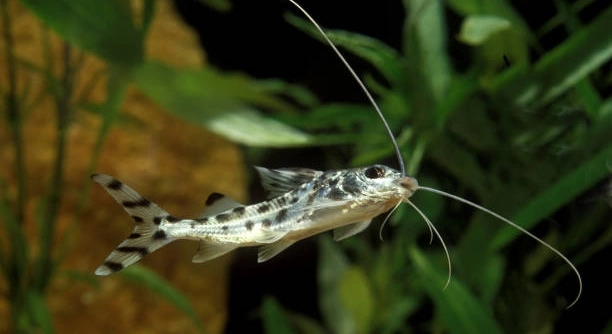
Pictus catfish are popular freshwater fish known for their peaceful nature and distinctive spotted appearance. Many aquarium owners enjoy keeping them because they add life and movement to their tanks. Knowing if your pictus catfish is healthy can improve your care.
A thriving pictus catfish shows signs such as active swimming, clear eyes, healthy fins, consistent eating habits, bright coloration, good weight, and calm behavior. These indicators reflect proper tank conditions and good fish health.
Recognizing these signs can help you maintain a happy and healthy environment for your fish. This article will guide you through what to look for to ensure your pictus catfish is doing well.
Active Swimming and Exploration
Pictus catfish are naturally active swimmers who like to explore their environment, especially during dawn and dusk. If you notice your catfish moving around the tank regularly and investigating new spots, it is a strong sign of good health. They will swim gracefully across the tank, often gliding through the water with ease. When their tank conditions are right—proper temperature, clean water, and enough space—they show this natural behavior. Inactive or hiding catfish may be stressed or unwell, so paying attention to their movement is important. Watching your catfish swim actively can be quite rewarding, as it reflects both comfort and vitality. It’s also a chance to observe their personality as they explore the plants, decorations, and tank mates. Regular activity helps keep them strong and supports their overall wellbeing.
Active swimming is a clear indicator of a happy, thriving pictus catfish.
Keeping the tank clean and maintaining stable water parameters encourages this energetic behavior. Pictus catfish that move well are less likely to face health problems. If your fish starts to slow down or hide more, it’s a signal to check the water quality and feeding routine. Providing hiding spots and open swimming space balances comfort and activity. A lively pictus catfish means your tank setup supports its natural needs, ensuring a longer and healthier life for your aquatic companion.
Clear Eyes and Healthy Fins
Clear eyes without cloudiness or redness are signs your pictus catfish is in good health. Their fins should be intact, free of tears or discoloration, and held open naturally.
Healthy fins and eyes indicate good water quality and proper nutrition. If your catfish’s fins look ragged or its eyes appear dull, it may be time to review tank conditions. Regular water changes and a balanced diet support this health aspect. Watch how your catfish uses its fins to swim smoothly—this shows they are not struggling with illness or injury. Maintaining this care routine will keep your pictus catfish looking sharp and feeling strong.
Consistent Eating Habits
Pictus catfish that eat regularly and show interest in food are usually healthy. Sudden changes in appetite can be a warning sign.
It’s important to offer a balanced diet that includes sinking pellets, live or frozen foods like bloodworms, and occasional vegetables. These fish are bottom feeders, so food should reach the tank floor where they can find it easily. Feeding small amounts multiple times a day encourages good eating habits and prevents leftover food from polluting the water. Watch your catfish during feeding time to ensure it is eating well and not being bullied by other fish.
If your pictus catfish suddenly refuses to eat or seems picky, it could mean stress or illness. Check the tank temperature and water quality first, as poor conditions often affect appetite. Sometimes a change in diet or feeding schedule helps to bring back regular eating habits. Keeping a close eye on feeding routines supports their health and vitality in the long run.
Bright Coloration
Healthy pictus catfish display clear, bright spots and shiny skin. Dull colors can suggest stress or disease.
Bright coloration reflects good nutrition and clean water. These fish need proper minerals and vitamins to maintain their natural look. If the spots fade or the body appears pale, it’s time to review tank conditions. Stress from poor water quality, aggressive tank mates, or improper lighting often causes color loss. Keeping a consistent environment with stable temperature and pH supports vibrant colors.
Providing hiding places and avoiding sudden changes in the tank helps reduce stress, which in turn keeps the catfish’s colors bright. Regular maintenance and balanced feeding are key to sustaining their natural beauty. Observing your fish’s coloration daily helps you catch any health issues early before they worsen.
Good Weight and Body Shape
A healthy pictus catfish has a well-proportioned body without signs of bloating or being too thin.
Changes in weight or shape can indicate health problems or poor diet.
Calm Behavior Around Tank Mates
Pictus catfish that interact calmly with other fish show good social health. Aggressive or overly shy behavior may suggest stress or illness.
Peaceful behavior reflects a balanced environment where all fish feel safe. It also shows that your pictus catfish is comfortable in its home. Regular observation helps spot any changes in behavior early. Keeping the tank properly stocked and avoiding aggressive species promotes calm interactions.
No Signs of Disease or Injury
Your pictus catfish should have clear skin without wounds, fungus, or spots other than its normal pattern.
Regular Breathing Patterns
A steady, calm breathing rate is a good sign. Rapid or labored breathing can indicate stress or poor water quality.
FAQ
How often should I feed my pictus catfish?
Pictus catfish do best with small meals two to three times a day. Overfeeding can pollute the water, so it’s important to give just enough food that they can eat within a few minutes. Variety in their diet helps keep them healthy and interested in eating.
Can pictus catfish live with other fish?
Yes, pictus catfish are generally peaceful and can live with other non-aggressive fish. They prefer tank mates that won’t compete aggressively for food or space. Avoid keeping them with very large or aggressive species to prevent stress and injury.
What water conditions are best for pictus catfish?
Pictus catfish thrive in water temperatures between 72°F and 79°F (22°C to 26°C). They prefer slightly acidic to neutral pH levels, around 6.5 to 7.5. Clean, well-filtered water with low ammonia and nitrite levels is essential for their health.
How can I tell if my pictus catfish is stressed?
Signs of stress include hiding too much, loss of appetite, dull coloration, and erratic swimming. Stress can be caused by poor water quality, aggressive tank mates, or sudden changes in the tank environment. Keeping stable conditions helps reduce stress.
Do pictus catfish need special tank setups?
They appreciate tanks with plenty of hiding spots, such as caves and plants. A soft substrate like sand is better than rough gravel, as it protects their barbels (whiskers). They also need enough open space for swimming, as they are active fish.
What should I do if my pictus catfish stops eating?
First, check the water parameters to ensure the tank is clean and stable. Observe if there are signs of illness or injury. Sometimes adjusting the diet or feeding schedule can help. If the problem persists, consulting a vet or experienced aquarist is recommended.
How large do pictus catfish grow?
Pictus catfish typically grow to about 4 to 5 inches (10 to 13 cm) in length. Providing a spacious tank helps them reach their full size and stay healthy. Overcrowding can stunt their growth and lead to stress.
Are pictus catfish nocturnal?
They are most active during low light conditions such as dawn and dusk but will swim actively during the day if they feel safe. Providing a balanced light cycle with some shaded areas in the tank helps them maintain natural behavior.
How often should I clean my pictus catfish’s tank?
Partial water changes of about 20% should be done weekly to maintain water quality. Cleaning the substrate and filter regularly helps prevent waste buildup. Keeping the tank clean is key to preventing disease and promoting healthy fish.
Can pictus catfish live alone?
While pictus catfish can survive alone, they often do better in small groups of three or more. Group living reduces stress and encourages natural social behavior. However, be careful not to overcrowd the tank.
Final Thoughts
Taking care of a pictus catfish requires attention to its behavior, appearance, and environment. These fish show clear signs when they are healthy, such as active swimming, good appetite, bright coloration, and calm behavior around other fish. Watching for these signs helps you understand if your fish is thriving or if something needs to change. It is important to keep the water clean and stable, offer a balanced diet, and provide enough space and hiding spots for your catfish to feel comfortable. By meeting these basic needs, you create a safe and healthy home for your fish.
Sometimes pictus catfish may show signs of stress or illness, such as hiding too much, losing appetite, or dull colors. These signs should not be ignored, as they can quickly lead to more serious problems. Regular tank maintenance, water testing, and careful observation are key to catching issues early. Changing the water regularly and feeding the right foods in the right amounts helps prevent many common health problems. Keeping a calm environment with peaceful tank mates also supports your pictus catfish’s well-being. Being proactive with care will help your fish live longer and be happier.
Overall, pictus catfish can be a great addition to a freshwater aquarium if cared for properly. They bring energy and beauty to the tank and respond well to good care. Paying attention to the signs of health and behavior can make a big difference in their life. Remember that every fish is unique, and it takes time to learn their habits and preferences. With patience and proper care, your pictus catfish can thrive and become a rewarding part of your aquarium.

Hello,
If you enjoy the content that we create, please consider saying a "Thank You!" by leaving a tip.
Every little bit helps us continue crafting quality advice that supports the health, happiness, and well-being of pets around the world, for pets of all shapes, sizes, and species.
We really appreciate the kindness and support that you show us!