
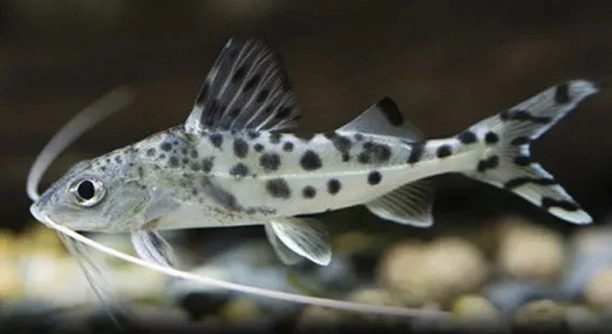
Do you ever wonder how often your Pictus catfish prefers their tank cleaned? Many fish owners want to keep their pets healthy but aren’t sure what kind of routine works best. This guide will help clarify their cleaning needs.
Pictus catfish do benefit from regular tank maintenance, but they prefer a balanced cleaning routine that avoids sudden, drastic changes. Frequent gentle cleaning supports their health by maintaining water quality without stressing the fish.
Understanding the right cleaning schedule can improve your catfish’s well-being and create a stable environment they thrive in. This article will explain how to care for them properly.
Understanding Pictus Catfish Behavior
Pictus catfish are active and social fish that enjoy exploring their environment. They tend to be more comfortable in clean water but don’t react well to sudden changes in their tank. These fish often stir up sediment at the bottom, which can make the water look cloudy if not cleaned properly. They prefer calm surroundings, so maintaining a stable habitat is important for their well-being. Keeping their tank clean but not overly sterile helps preserve the natural balance they need. They rely on a mix of hiding spots and open space to feel secure. Cleaning routines should consider their sensitivity to water conditions. Over-cleaning or using harsh chemicals can disturb their environment and cause stress. It’s best to focus on regular, gentle maintenance rather than deep cleaning too often. This approach supports their health without upsetting their natural behaviors or habitat.
Regular observation of their behavior helps you know when the tank needs attention.
Consistent care with gradual cleaning changes reduces stress. Pictus catfish thrive best in tanks where the water quality is stable and debris is regularly removed without sudden disruptions.
Best Cleaning Practices for Pictus Catfish Tanks
Maintaining a clean tank involves partial water changes and substrate cleaning without disturbing the entire environment at once.
Cleaning should involve replacing about 20-30% of the water weekly to keep toxin levels low. Using a gravel vacuum helps remove uneaten food and waste without disturbing the beneficial bacteria in the tank. Avoid cleaning the entire tank or changing all the water at once, as this can shock the fish. Filter maintenance is also essential but should be done carefully to preserve the bacteria colonies that help break down waste. It’s important to use water conditioners to neutralize chlorine and chloramines in tap water before adding it back to the tank. Maintaining a stable temperature and pH during cleaning is equally vital, as Pictus catfish are sensitive to sudden changes. The goal is to keep the environment clean and stable to support their health and natural behavior.
Using gentle cleaning methods creates a better home for your catfish over time.
How Often Should You Clean a Pictus Catfish Tank?
Cleaning frequency depends on tank size, number of fish, and filtration system quality. Generally, a weekly partial cleaning works well for most tanks with Pictus catfish. Regular maintenance helps keep water parameters stable and prevents buildup of harmful substances.
Too frequent cleaning can disrupt beneficial bacteria and stress the fish, while infrequent cleaning leads to poor water quality and health problems. Monitoring water clarity and testing parameters like ammonia and nitrite levels helps determine when cleaning is needed. Keeping to a consistent schedule supports a healthy environment that your catfish will appreciate.
Balance is key—clean enough to keep water healthy but gentle enough to maintain the natural ecosystem inside the tank. This routine encourages your catfish to remain active and stress-free.
Signs Your Pictus Catfish Needs Tank Cleaning
Cloudy water, unusual fish behavior, and a strong smell are clear signs your tank needs cleaning. These symptoms indicate poor water quality and increased toxins. Immediate attention is required to avoid stressing your catfish.
When your Pictus catfish hide more than usual, become lethargic, or stop eating, it often relates to water conditions. These behavioral changes warn of an unhealthy environment. Testing water parameters is a good first step. If ammonia or nitrite levels are high, cleaning and water changes are urgent. Maintaining clean water improves fish activity and overall health. Keeping the tank clean ensures your catfish stay comfortable and active.
Tools You Need for Cleaning
Basic tools like a gravel vacuum, algae scraper, and water testing kit make cleaning easier. These help remove waste and keep water healthy without disturbing the tank too much. Using the right tools protects your fish’s environment.
A reliable water conditioner is essential to treat tap water before adding it back to the tank. This keeps harmful chemicals away from your catfish.
Common Mistakes During Cleaning
Over-cleaning or changing too much water at once can harm your Pictus catfish. Sudden changes stress the fish and disrupt beneficial bacteria. Avoid scrubbing decorations harshly, as it removes helpful biofilm.
How to Clean the Gravel
Use a gravel vacuum during water changes to remove debris from the substrate. This prevents buildup of harmful waste while keeping beneficial bacteria intact. Regular gravel cleaning supports a healthier tank environment.
Frequency of Filter Maintenance
Filter media should be rinsed gently every few weeks in tank water to avoid killing beneficial bacteria. Replace media only when necessary to maintain proper filtration and water quality.
How often should I clean the entire tank when keeping Pictus catfish?
Cleaning the entire tank at once is not recommended. It can shock your Pictus catfish and disturb the beneficial bacteria that keep the ecosystem balanced. Instead, partial water changes of about 20-30% weekly are enough to maintain good water quality without stressing your fish.
Can I use tap water directly during water changes?
Tap water often contains chlorine and chloramines, which are harmful to fish. Always use a water conditioner to treat tap water before adding it to the tank. This removes dangerous chemicals and makes the water safe for your Pictus catfish.
Is it necessary to clean the filter every week?
No, frequent filter cleaning can reduce beneficial bacteria needed to break down waste. Rinse filter media gently in tank water every few weeks and only replace it when it becomes worn out. This helps maintain proper filtration without harming the tank’s natural balance.
What signs show my Pictus catfish are stressed due to poor cleaning?
If your catfish hide constantly, become lethargic, or stop eating, it might be due to poor water conditions. Cloudy water or a strong odor can also indicate the tank needs cleaning. Regular testing of ammonia and nitrite levels helps detect problems early.
Can over-cleaning harm my Pictus catfish?
Yes, over-cleaning can disrupt the beneficial bacteria in the tank and cause stress to your fish. It’s important to clean gently and avoid removing too much water or scrubbing decorations harshly. A balanced routine supports a healthier tank.
How do I safely clean algae from the tank?
Use an algae scraper or pad to remove algae from glass and decorations gently. Avoid harsh chemicals or scrubbing that could damage surfaces or remove helpful biofilm. Regular light cleaning helps control algae without upsetting the tank’s ecosystem.
Should I clean the gravel during every water change?
Yes, using a gravel vacuum during partial water changes helps remove uneaten food and waste trapped in the substrate. This keeps the tank cleaner and prevents buildup of harmful substances. However, avoid stirring the gravel too much to protect beneficial bacteria.
What water temperature is best when refilling the tank?
Match the temperature of the new water to the tank’s existing temperature as closely as possible. Sudden temperature changes stress Pictus catfish. Using a reliable thermometer helps ensure the water stays stable during cleaning.
Are there cleaning products I should avoid for my Pictus catfish tank?
Avoid using soaps, detergents, or any chemicals not designed for aquariums. These can be toxic to your fish. Stick to aquarium-safe cleaners and always rinse equipment thoroughly before putting it back in the tank.
Can frequent water changes cause problems?
Too frequent or large water changes can stress fish and disrupt the tank’s balance. Consistency is better—small, regular changes are safer and more effective for maintaining water quality without harming your catfish.
Keeping a Pictus catfish healthy means understanding their cleaning needs well. These fish like clean water but do not do well with sudden or extreme changes in their tank environment. Regular, gentle cleaning helps maintain water quality and creates a comfortable home for them. It is important to avoid cleaning the tank too often or too deeply, as this can remove helpful bacteria and stress the fish. Instead, sticking to a balanced cleaning routine, including partial water changes and gravel vacuuming, provides a stable environment. This balance keeps the tank healthy while respecting the natural setup the fish prefer.
Using the right tools and methods is also important for successful tank maintenance. Simple equipment like a gravel vacuum and algae scraper can make a big difference. These tools help remove waste and algae without disturbing the beneficial bacteria or scaring the fish. Conditioning new water before adding it to the tank protects your catfish from harmful chemicals like chlorine. Gentle filter maintenance is necessary to keep the filtration system working well but should be done carefully to preserve the good bacteria. Overall, thoughtful cleaning helps avoid problems like cloudy water, bad smells, and stressed fish, which all affect your Pictus catfish’s health.
Regular observation of your catfish’s behavior can also guide how you clean the tank. Changes in activity, appetite, or hiding habits often show when water quality is low and cleaning is needed. Watching for signs like cloudy water or a strong odor can help you respond in time. A consistent cleaning schedule, along with checking water parameters, ensures your Pictus catfish live in a safe and stable environment. With gentle care and routine maintenance, your catfish will stay healthy and active, enjoying their tank for years to come.

Hello,
If you enjoy the content that we create, please consider saying a "Thank You!" by leaving a tip.
Every little bit helps us continue crafting quality advice that supports the health, happiness, and well-being of pets around the world, for pets of all shapes, sizes, and species.
We really appreciate the kindness and support that you show us!