
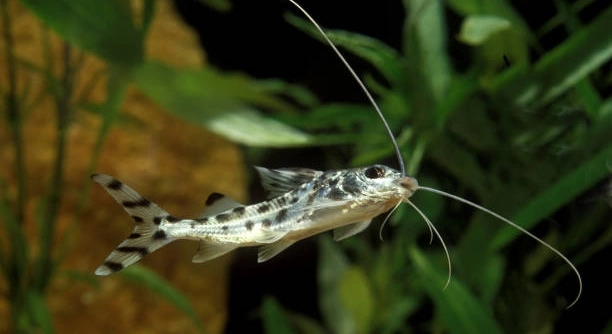
Do you ever find yourself watching your pictus catfish wriggle into the thick plants of your aquarium and wonder why it happens? This behavior might look odd, but it often has a clear reason behind it.
Pictus catfish wriggle into plants as a natural behavior rooted in their need for shelter, security, and rest. In the wild, they use dense vegetation and crevices to hide from predators and to feel safe in their environment.
This common habit can tell you a lot about your fish’s comfort level and tank setup. Learning more about it can help improve their health and overall well-being.
Why Your Pictus Catfish Seeks Cover in Plants
In their natural habitat, pictus catfish live in rivers with plenty of driftwood, rocks, and plant cover. They are shy, bottom-dwelling fish that feel safest when they have a place to hide. In a home aquarium, they look for the same kind of shelter. Dense plants give them a sense of security and reduce stress. If they don’t have enough hiding spots, they may become skittish or aggressive. Even when they are healthy and comfortable, they often prefer to rest among plants. It is not a sign of illness unless it’s paired with other symptoms like poor appetite or faded color. If your catfish is wriggling into plants often, it likely means the tank has what it needs to feel safe. Plastic plants, live plants, or even decorations with crevices can provide a good hiding place. This instinctual behavior is part of what helps them stay calm and healthy.
They also use plants to block out light and feel less exposed. This is especially true if the tank is brightly lit or lacks shaded spots.
Plants play a role in maintaining the tank’s overall balance. They help manage water quality, which also supports the fish’s physical health and daily comfort.
What to Watch For If It Seems Excessive
If your catfish hides all day and barely comes out to eat, it might be worth checking the tank setup again.
Sometimes, fish overuse hiding spots because they’re stressed or uncomfortable. Loud noise, sudden movements, poor water conditions, or aggressive tankmates can make a pictus catfish more withdrawn. Start by testing the water parameters—ammonia, nitrite, and nitrate levels should be stable. Make sure the temperature is within range, typically 72°F to 78°F. Then check if the tank is overcrowded or lacks enough space for swimming. A 55-gallon tank or larger is ideal for pictus catfish. If there are aggressive fish in the tank, consider moving them or rearranging decor to create more territory. This helps reduce conflict. Also, dim lighting or floating plants can help reduce stress if bright lights are making them uncomfortable. Watching your fish’s routine helps you spot issues early. Occasional hiding is normal, but sudden changes in behavior often point to something in the environment that needs adjusting.
Creating a Comfortable Environment
Providing plenty of plants and hiding spots is key to keeping your pictus catfish happy. Live or artificial plants work well as long as they offer cover.
Adding driftwood or rocks can give your fish extra places to explore and hide. It mimics their natural environment and makes the tank feel safer. These elements also help break up open spaces, reducing stress caused by feeling too exposed. A mix of tall plants and low ground cover is best.
Keep the tank clean and maintain stable water conditions to support your fish’s health. Regular water changes and proper filtration are essential. Plants themselves can help improve water quality by absorbing nitrates. This balanced setup encourages natural behavior and reduces hiding caused by discomfort.
Feeding and Interaction Tips
Feed your pictus catfish at the bottom with sinking pellets or wafers to match their natural feeding habits.
Offering a variety of foods like frozen bloodworms or brine shrimp can keep them interested and healthy. Feeding at consistent times helps them feel secure and establishes a routine. Avoid overfeeding, which can pollute the tank and lead to stress.
Spend time observing your catfish gently to learn their patterns. While they are shy, they often come out during feeding or when the tank is quiet. A calm environment encourages them to explore more and reduces excessive hiding. Small changes in behavior may show if they are comfortable or if adjustments are needed.
Signs Your Pictus Catfish Is Comfortable
A relaxed pictus catfish will swim calmly and explore the tank during quiet times. It will come out more often, especially during feeding.
Bright colors and smooth movement are good signs. If it stays active and hides less, your tank setup is likely meeting its needs well.
When to Be Concerned About Hiding
If your pictus catfish hides constantly and refuses food, it may be stressed or ill. Check water quality and tank mates immediately.
Persistent hiding combined with other symptoms like clamped fins or faded color calls for attention. Acting quickly helps prevent health issues from worsening.
Adjusting Tank Lighting
Lowering tank light or adding shaded areas can help shy fish feel safer. Dimmer light reduces stress and encourages more natural behavior.
Avoid harsh, direct lighting that may scare your pictus catfish. A balanced light schedule mimics their natural day and night cycle.
FAQ
Why does my pictus catfish hide in plants so much?
Pictus catfish naturally seek shelter to feel safe. In the wild, they use plants and other cover to avoid predators. In your tank, plants give them a secure place to rest and escape bright light or disturbances. This behavior is normal and shows they feel more comfortable with hiding spots available.
Is it normal for pictus catfish to wriggle into plants?
Yes, wriggling into plants is typical behavior. It helps them stay hidden and reduces stress. They often squeeze between leaves or stems to feel protected. This also mimics their natural environment where they weave through vegetation to stay safe.
Can too much hiding be a problem?
If your catfish hides constantly and refuses to eat, it might indicate stress or illness. Overhiding combined with changes like loss of color or lethargy means it’s time to check water quality, tank mates, and overall health. Sometimes poor water conditions or bullying by other fish can cause excessive hiding.
How can I encourage my pictus catfish to come out more?
Create a balanced environment with plenty of hiding spots but also open swimming areas. Keep lighting soft and consistent. Feed them at regular times with sinking food. Avoid sudden loud noises or tapping on the glass. Over time, your catfish will feel safer and more likely to explore.
What type of plants work best for pictus catfish hiding?
Both live and artificial plants work well as long as they are dense and offer cover. Tall plants like Amazon swords or java ferns provide good hiding places. Floating plants can also help reduce light and create shaded areas. Make sure plants don’t have sharp edges that could injure your fish.
Does plant hiding affect tank cleanliness?
Plants help improve water quality by absorbing nitrates and providing oxygen. However, dense plants can trap debris, so regular cleaning is important. Rinse artificial plants occasionally and prune live plants to prevent decay. Good filtration and water changes keep the environment healthy for your fish.
Are there other reasons pictus catfish hide in plants?
Besides feeling safe, catfish might hide to rest or escape bright tank lights. They can also seek plants when preparing to molt or recover from minor injuries. Sometimes hiding helps them regulate stress from changes in tank conditions or new tankmates.
How often should I check water parameters for my pictus catfish?
Check ammonia, nitrite, nitrate, pH, and temperature weekly. Stable, clean water is essential for your catfish’s comfort. Sudden changes or poor water quality often cause hiding and stress. Keeping parameters steady helps your fish stay active and healthy.
Can hiding behavior indicate illness?
Hiding alone is normal, but if your pictus catfish hides more than usual along with other signs like loss of appetite, rapid breathing, or faded colors, illness may be present. Prompt testing and treatment are important to prevent worsening health issues.
How can I reduce stress for my pictus catfish?
Maintain a calm tank environment with minimal sudden movements or loud noises. Provide plenty of hiding places, gentle lighting, and compatible tankmates. Regular feeding schedules and clean water also reduce stress and encourage natural behavior.
Will pictus catfish always hide, or will they become more outgoing?
Pictus catfish are naturally shy but can become more comfortable and outgoing over time with proper care. They often come out more during feeding or quiet periods but will still appreciate having places to retreat. Their personality varies, but a good environment helps them feel secure.
What tank size is best for pictus catfish?
A minimum of 55 gallons is recommended to give your pictus catfish enough space to swim and hide. Larger tanks provide more stable water conditions and room to create varied environments with plants and decorations. Overcrowding increases stress and hiding behavior.
Can aggressive tankmates cause my pictus catfish to hide more?
Yes, aggressive or territorial fish can frighten pictus catfish, causing them to seek refuge in plants. Choose peaceful tankmates and arrange decorations to create separate territories. Monitoring fish interactions helps reduce stress and encourages your catfish to explore.
Should I rearrange plants if my catfish hides too much?
Rearranging plants can help by breaking up territories and encouraging movement. Adding new hiding spots or changing plant placement can reduce dominance by other fish and give your catfish fresh areas to explore. Avoid drastic changes all at once to prevent stress.
How does lighting affect my pictus catfish’s hiding behavior?
Bright lighting often causes pictus catfish to hide more. Using dimmer lights or adding floating plants to shade the tank creates a more natural environment. A balanced day-night cycle with gradual light changes helps reduce stress and encourages normal activity.
Can hiding behavior change with age?
Younger pictus catfish tend to hide more as they grow and learn their environment. Adult catfish may become braver and explore more once they feel safe. However, all ages appreciate places to hide, so it’s important to keep the tank well-planted throughout their life.
When it comes to pictus catfish wriggling into plants, it is important to understand that this behavior is mostly natural and healthy. These fish feel safer and more comfortable when they have places to hide. Plants, whether live or artificial, offer them shelter from bright light, noise, and other tankmates. In their natural habitat, pictus catfish use plants and other covers to protect themselves from predators. So, when you see your fish slipping quietly among the leaves, it is usually a good sign that your tank provides the environment it needs. This instinct helps the fish reduce stress and maintain better health.
However, it is also important to pay attention if your pictus catfish hides too much or shows signs of illness. Constant hiding combined with a lack of appetite, faded colors, or unusual behavior might indicate that something is wrong. Water quality is one of the most common causes of stress in fish, so keeping the tank clean and monitoring parameters like ammonia, nitrite, nitrate, and temperature is key. Other factors such as tankmates and lighting also affect how much your catfish feels safe. Sometimes a simple change like rearranging plants, adding floating cover, or lowering light intensity can make a big difference.
Overall, offering a well-planted tank with plenty of hiding spots and maintaining stable water conditions is the best way to support your pictus catfish’s natural behavior. Feeding them properly and watching their behavior closely will help you understand when adjustments are needed. This balance between providing comfort and ensuring good health creates a peaceful home where your catfish can thrive. Remember, their occasional hiding is part of how they feel secure, but with the right care, you will also see them exploring and interacting more often.

Hello,
If you enjoy the content that we create, please consider saying a "Thank You!" by leaving a tip.
Every little bit helps us continue crafting quality advice that supports the health, happiness, and well-being of pets around the world, for pets of all shapes, sizes, and species.
We really appreciate the kindness and support that you show us!