
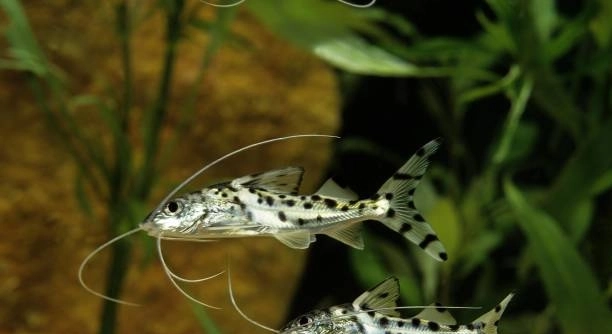
Adding a second Pictus catfish to your aquarium can bring new energy and activity to your tank. These lively fish are social and often enjoy the company of their own kind when introduced correctly. Careful planning can help avoid stress and conflict.
Introducing a second Pictus catfish requires attention to tank size, water quality, and gradual acclimation. Ensuring sufficient hiding spots and monitoring behavior are essential for a peaceful coexistence. Proper conditions reduce aggression and promote healthy social interaction.
Learning these key tips will help your fish adapt smoothly and thrive together in their shared environment.
Choosing the Right Tank Size
When adding a second Pictus catfish, the tank size is very important. These fish can grow up to 5 inches and are active swimmers. A small tank will make them feel cramped and increase stress. A minimum of 30 gallons is recommended for two Pictus catfish to have enough space. More space means they can swim freely and avoid territorial conflicts. It also helps maintain better water quality because larger volumes dilute waste more efficiently. Remember, a crowded tank can lead to aggression and health problems. Providing plenty of room shows consideration for the fish’s natural behavior and comfort. Make sure the tank has hiding spots and decorations to break the line of sight, which reduces territorial disputes. The right tank size is a foundation for keeping multiple Pictus catfish happy and healthy.
A spacious tank encourages natural swimming patterns and reduces aggressive behaviors between the two catfish.
When selecting a tank, also consider the filtration system. Strong filtration is necessary to maintain clean water, especially with more fish. Adding plants and driftwood helps create a natural environment and provides hiding spaces. This combination of space and structure allows the catfish to explore without feeling threatened. Keeping the water conditions stable and the tank clean prevents stress-related illnesses, ensuring the fish thrive together peacefully.
Introducing the New Catfish Slowly
Introducing a second Pictus catfish should never be rushed. Sudden introduction can cause stress and fighting between the fish.
Start by floating the new fish’s bag in the main tank for 20-30 minutes to equalize water temperature. Then, slowly mix small amounts of tank water into the bag every 10 minutes for an hour. This process helps the new catfish adjust to the water chemistry gradually. Once acclimated, gently release it into the tank.
During the first days, watch their behavior closely. Some chasing or posturing is normal but constant aggression is a warning sign. If tension rises, try rearranging decorations to break territorial claims. Feeding both catfish at the same time can also reduce conflict, as it distracts them.
Patience during introduction gives both fish time to settle and form a peaceful relationship. It lowers the risk of injury and stress, leading to a more harmonious tank. This careful approach supports the well-being of both Pictus catfish and contributes to a balanced aquarium environment.
Monitoring Behavior After Introduction
Keep a close eye on the Pictus catfish after adding the second one. Watch for signs of stress or aggression, such as chasing or fin nipping. Some initial posturing is normal, but persistent fighting is a problem that needs addressing.
Stress can weaken the immune system, making the fish more vulnerable to disease. Aggressive behavior may indicate the need for more hiding places or rearranging tank decorations. If one fish is constantly bullied, consider separating them temporarily to avoid injury. Feeding both catfish simultaneously helps reduce competition and tension. Regular observation during the first few weeks is key to ensuring a peaceful environment where both fish can thrive without constant stress or harm.
Maintaining Water Quality
Good water quality is essential when keeping two Pictus catfish. More fish produce more waste, so consistent water changes are necessary to keep ammonia and nitrite levels low. Test the water frequently using a reliable kit.
A powerful filter will help remove debris and toxins, but it needs regular cleaning to function well. Changing about 20-25% of the water weekly supports stable water parameters. Avoid sudden changes in temperature or chemistry, as Pictus catfish are sensitive to fluctuations. Using a water conditioner will neutralize harmful chemicals found in tap water. Maintaining clean and stable water reduces stress and promotes better health for both catfish. Keeping the environment balanced will make your aquarium a safe and comfortable home for your fish.
Providing Adequate Hiding Spots
Hiding places are crucial when keeping two Pictus catfish together. They help reduce stress and give each fish a safe space to retreat. Good hiding spots prevent constant chasing and aggression.
Use caves, driftwood, or dense plants to create multiple hiding areas. This setup allows the catfish to establish territories without feeling threatened. The more hiding spots, the less likely they are to fight over space. This also encourages natural behavior, making the tank feel more comfortable for both fish.
Feeding Both Catfish Properly
Feed your Pictus catfish a balanced diet twice daily. Use sinking pellets or wafers since these bottom-dwellers prefer food near the substrate. Supplement with frozen or live foods for added nutrition.
Ensure both fish get enough food by spreading it across the tank. This prevents one from dominating the feeding area and keeps both healthy. Feeding on a regular schedule supports stable behavior and reduces competition.
Keeping the Environment Calm
Avoid loud noises or sudden movements around the tank. Pictus catfish can get easily stressed by disturbances, which might lead to aggression or hiding.
Watching for Health Issues
Regularly check both catfish for signs of illness, such as unusual spots, changes in swimming, or loss of appetite. Early detection helps treat problems before they worsen.
FAQ
How do I know if my Pictus catfish are getting along?
If your Pictus catfish swim peacefully around the tank without constant chasing or fin nipping, they are likely getting along well. Occasional chasing is normal during territory establishment, but it should not lead to injury or stress. Look for relaxed behavior, such as resting calmly or swimming side by side. If both fish eat regularly and explore the tank, it’s a good sign they are comfortable with each other. When hiding spots are used by both fish without conflict, it shows they respect each other’s space.
Can Pictus catfish live in groups larger than two?
Yes, Pictus catfish can live in groups of three or more, but this requires a larger tank and careful management. More fish mean more competition for space and food, so a tank size of 40 gallons or more is recommended. With proper hiding places and good water quality, a group can thrive. However, watch for aggressive behavior, especially during feeding or territorial disputes. Group living works best if the fish are introduced together and the tank is spacious enough to reduce stress.
What should I do if my new catfish is being bullied?
If the new catfish is being bullied, try rearranging decorations and hiding spots to break up established territories. Providing additional shelters gives the bullied fish places to escape. Feeding both fish simultaneously can also reduce aggression by distracting them. If bullying continues, consider separating the fish temporarily using a divider. This lets the new catfish acclimate without direct contact. After some time, try reintroducing them slowly to see if the situation improves. Prioritize the health and safety of both fish to avoid injury.
How often should I clean the tank when keeping two Pictus catfish?
Cleaning the tank once a week by changing 20-25% of the water is ideal when housing two Pictus catfish. Regular partial water changes help keep ammonia and nitrite levels low, which is important since two fish produce more waste than one. Clean the filter media monthly but avoid washing it with tap water, which can kill beneficial bacteria. Maintain a stable water temperature and test the water parameters regularly to ensure a healthy environment for both catfish.
What is the best diet for Pictus catfish?
Pictus catfish thrive on a diet of sinking pellets or wafers designed for bottom feeders. Supplement their diet with frozen or live foods like bloodworms, brine shrimp, and daphnia for variety and extra nutrition. Feeding twice daily in small amounts prevents overfeeding and keeps the tank clean. Occasionally adding vegetable matter like blanched zucchini or cucumber can support their health. A balanced diet helps maintain bright coloration, energy levels, and overall well-being.
Are Pictus catfish compatible with other fish species?
Pictus catfish are generally peaceful but can be timid around aggressive fish. They do well with other peaceful community fish that swim in the middle or upper levels of the tank. Avoid keeping them with large aggressive fish that may bully or eat them. Fast-moving fish can stress Pictus catfish, so choose calm tankmates. Good companions include tetras, barbs, danios, and some peaceful cichlids. Compatibility depends on tank size, temperament, and environmental needs.
How can I reduce aggression between two Pictus catfish?
To reduce aggression, provide plenty of hiding spots and break up the line of sight with plants or decorations. Feeding both catfish simultaneously distracts them and reduces competition. Keep the tank clean with stable water parameters to lower stress. Avoid overcrowding by maintaining proper tank size. If aggression continues, rearranging the tank layout regularly can disrupt established territories. Sometimes, aggression fades as the fish get used to each other, but patience and observation are important.
What signs indicate my Pictus catfish is stressed?
Signs of stress include hiding more than usual, loss of appetite, rapid gill movement, clamped fins, and erratic swimming. Stress can also cause color fading or increased aggression. Environmental changes like poor water quality, loud noises, or sudden tank rearrangements often cause stress. Identifying stress early helps prevent illness. Maintaining stable water conditions, providing hiding spots, and minimizing disturbances will keep your catfish calm and healthy.
Can Pictus catfish breed in a community tank?
Breeding Pictus catfish in a community tank is rare because they need specific conditions and space. They scatter eggs during spawning, which may be eaten by other fish. To breed them successfully, a separate breeding tank with soft water, a gentle current, and hiding places is recommended. Conditioning with live foods before breeding helps. The parents do not care for their young, so protecting the eggs and fry is necessary for survival. Breeding requires careful preparation and monitoring.
How long do Pictus catfish typically live?
With proper care, Pictus catfish can live 8 to 10 years in a home aquarium. Longevity depends on stable water conditions, a balanced diet, and minimal stress. Regular tank maintenance and observing their health can extend their lifespan. Providing a spacious tank with good filtration and hiding places supports their well-being. Avoid sudden changes in water quality or temperature, which can shorten their life. Caring for them attentively helps ensure they remain healthy for years.
Adding a second Pictus catfish to your aquarium can bring more life and activity to your tank, but it requires careful preparation. Ensuring that your tank is large enough and has plenty of hiding spots is very important. These fish are active swimmers and need space to move freely without feeling crowded. Providing a tank of at least 30 gallons for two catfish helps prevent stress and aggression. Along with the right size, adding decorations like driftwood, plants, or caves gives the fish places to retreat when they need to feel safe. This setup supports their natural behavior and reduces conflicts.
Introducing the new catfish slowly and carefully is essential for a peaceful tank environment. Gradually adjusting the new fish to the water temperature and chemistry helps avoid shock and stress. Watching their behavior closely during the first few days is important to catch any signs of aggression early. Some chasing is normal, but it should not be constant or harmful. Rearranging decorations or adding extra hiding places can help break up any territorial disputes. Feeding both catfish at the same time can also reduce competition and tension, helping them to settle in together more easily.
Maintaining good water quality and a stable environment is key to keeping both Pictus catfish healthy and happy. Regular water changes, a powerful filter, and careful monitoring of water parameters prevent harmful buildup of waste and toxins. Stress from poor water conditions can weaken fish and make them more vulnerable to illness. Feeding a balanced diet and observing the fish for any changes in behavior or health will also contribute to their well-being. With attention to these details, your two Pictus catfish can live together peacefully and enjoy a good quality of life in your aquarium.

Hello,
If you enjoy the content that we create, please consider saying a "Thank You!" by leaving a tip.
Every little bit helps us continue crafting quality advice that supports the health, happiness, and well-being of pets around the world, for pets of all shapes, sizes, and species.
We really appreciate the kindness and support that you show us!