
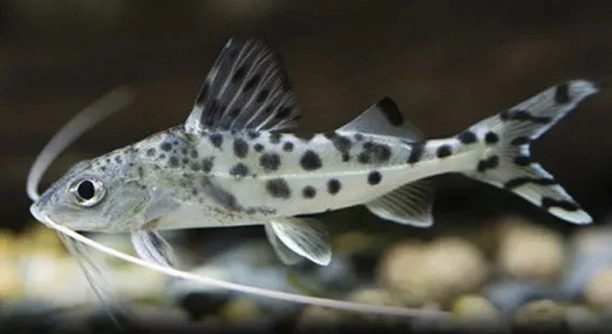
Many aquarium owners enjoy keeping Pictus catfish for their lively behavior and unique appearance. These fish often hide around filters, which can make their behavior puzzling to observe. Understanding why they do this helps improve their care and comfort.
Pictus catfish tend to hide near filters due to the strong water currents and noise these devices produce. The hiding behavior serves as a coping mechanism to avoid stress and potential threats in their environment, ensuring their safety and well-being.
Knowing the reasons behind this behavior can help you create a more suitable and calming tank environment for your Pictus catfish to thrive in.
Why Pictus Catfish Are Sensitive to Water Flow
Pictus catfish come from slow-moving rivers and streams where the water flow is gentle. When placed in an aquarium with a strong filter current, they often feel uncomfortable. The strong water flow can tire them out quickly, making it hard to swim freely. This stress causes them to seek places where the water is calmer, like behind or near the filter. In their natural habitat, they find shelter among rocks or plants that block strong currents. Replicating this in the tank helps them feel safe. Providing hiding spots near the filter lets them rest without facing the full force of the water. Understanding this natural preference is important for their health and well-being. The right balance in water movement helps keep Pictus catfish active and stress-free, creating a better environment for them.
Their hiding is a response to feeling overwhelmed by strong water currents.
Adding gentle decorations or plants near the filter can reduce water force and give your catfish comfortable hiding spots.
The Role of Noise and Light Near the Filter
Filters often create noise and vibrations that can disturb Pictus catfish. These fish are sensitive to loud sounds and sudden movements in their surroundings. The constant hum and vibration from a filter may cause them to hide as a way to escape this discomfort. Bright lights near the filter can also make them uneasy, as they prefer dim or shaded areas. Placing the filter in a quieter, less brightly lit part of the tank can help. Using sponge filters or quieter models reduces noise and vibrations. This small change often encourages Pictus catfish to explore more and hide less. When the tank environment feels calm and secure, these fish show more natural behavior and become easier to observe. Creating a peaceful atmosphere is key to keeping your Pictus catfish comfortable and happy.
How Tank Setup Affects Hiding Behavior
Tank setup plays a big role in how much Pictus catfish hide. If the tank lacks enough hiding places, they may feel exposed and nervous.
Having plenty of caves, plants, and decorations gives your catfish safe spots to rest. These areas help reduce stress and encourage natural behavior. It’s important to arrange these hiding places where the catfish can retreat from strong currents and bright lights. A well-structured tank mimics their natural environment and makes them feel secure. Without enough shelter, your catfish might stay hidden more often or appear stressed.
Regularly checking your tank layout to ensure it meets their needs is a good practice. Adding more cover can change their behavior positively, making them more active and less fearful.
The Impact of Water Quality on Behavior
Poor water quality can cause Pictus catfish to hide more than usual. They are sensitive to changes in water parameters like ammonia, nitrites, and nitrates. Keeping the water clean and stable helps reduce stress and promotes healthy activity. Regular water changes and testing maintain a safe environment.
Stress from bad water quality can weaken their immune system and cause illness. In response, hiding is a natural protective behavior. Ensuring proper filtration, avoiding overfeeding, and keeping the tank clean help prevent these issues. When water conditions improve, Pictus catfish become more confident and visible. Healthy water supports their natural curiosity and playful nature.
Adjusting Filter Strength
Strong filter flow can stress Pictus catfish, making them hide more often. Adjusting the filter to a gentler setting helps reduce this stress.
Using a spray bar or adding decorations to break the water flow can create calmer areas. This encourages your catfish to swim more freely and reduces hiding.
Feeding and Its Effect on Behavior
Pictus catfish may hide if they feel unsafe during feeding times. Offering food in calm, consistent locations helps them feel secure and encourages them to come out more often.
Regular feeding schedules and placing food near their hiding spots can build trust. This makes them less shy and more active during meals.
Signs of Stress to Watch For
Hiding is often a sign of stress, but watch for other symptoms too. Loss of appetite, rapid breathing, or clamped fins indicate your catfish may be struggling.
If you notice these signs, it’s important to check water quality and tank conditions. Prompt action can help your catfish recover and feel safe again.
FAQ
Why does my Pictus catfish hide all the time?
Pictus catfish naturally hide to feel safe, especially if they are stressed or scared. Strong water currents, bright lights, or loud noises can make them uncomfortable. Lack of enough hiding spots in the tank also causes them to stay hidden. When these needs are met, they usually come out more often.
Is it normal for Pictus catfish to hide during the day?
Yes, Pictus catfish are mostly nocturnal and tend to be more active at night. They often hide during the day to rest and avoid bright light. Providing shaded areas or plants helps them feel comfortable during daylight hours.
How can I make my Pictus catfish less shy?
Create a calm environment by reducing water flow and noise. Add plenty of hiding places, like caves and plants. Feeding them regularly and near their hiding spots builds trust. Over time, they become more confident and visible.
Can strong filter flow harm my Pictus catfish?
Strong currents can cause stress and exhaustion for Pictus catfish because they come from slower-moving waters. Constant swimming against strong flow tires them out and makes them hide to escape the current. Adjusting filter flow or adding flow blockers can help.
Do Pictus catfish need specific tank decorations to feel safe?
Yes, decorations like rocks, caves, and plants provide necessary shelter and reduce stress. These hideouts mimic their natural habitat, making them feel secure. Without enough shelter, they tend to hide more and may become anxious.
What water conditions are best for Pictus catfish?
They prefer clean, well-oxygenated water with a temperature between 72°F and 79°F (22°C – 26°C). pH levels should be between 6.5 and 7.5. Regular water changes and testing keep the environment stable, helping reduce hiding caused by poor water quality.
How often should I clean the filter to keep my catfish comfortable?
Cleaning the filter every 2 to 4 weeks is usually enough, but it depends on tank size and fish load. Over-cleaning can remove helpful bacteria, while under-cleaning causes poor water quality. Keeping the filter clean but balanced supports fish health and comfort.
Will my Pictus catfish stop hiding if the tank is set up correctly?
They may still hide sometimes since it’s part of their nature, but proper tank setup reduces stress-related hiding. When they feel safe and comfortable, they will spend more time exploring and less time hiding.
Is it okay to have a strong filter in a Pictus catfish tank if I provide hiding spots?
While hiding spots help, strong flow can still stress your catfish. It’s better to reduce filter strength or diffuse the flow to create calmer areas. Too much current can exhaust them even with plenty of shelters.
What should I do if my Pictus catfish shows signs of illness?
If your catfish is hiding more than usual and shows signs like loss of appetite, rapid breathing, or unusual spots, test the water quality first. Poor conditions often cause illness. Consult a vet or experienced aquarist for advice on treatment.
Can I keep Pictus catfish with other fish without increasing hiding?
Yes, but choose peaceful tank mates that won’t chase or bully them. Aggressive or overly active fish stress Pictus catfish, making them hide more. A calm community tank encourages natural behavior and reduces hiding due to fear.
Do Pictus catfish prefer dim lighting?
Yes, they prefer low light or shaded areas. Bright lighting makes them uncomfortable and encourages hiding. Using floating plants or dimmable lights helps create a more natural and relaxing environment for them.
Pictus catfish are naturally shy fish that enjoy having safe places to hide. Their behavior of hiding near the filter or in other parts of the tank is often a sign they are trying to feel secure. This is normal and expected, especially when they face strong water currents, bright lights, or loud noises. These factors can make the fish uncomfortable or stressed, so they seek shelter to protect themselves. Understanding their needs helps in creating a better environment where they feel calm and less likely to hide all the time.
Making small changes in the tank setup can greatly improve your Pictus catfish’s comfort. Providing plenty of hiding spots such as caves, plants, and decorations gives them places to retreat when they want to rest or feel threatened. It is also important to adjust the filter flow to reduce strong currents, which tire the fish and cause them to hide more. Keeping the water clean and stable with regular maintenance supports their health and reduces stress. By paying attention to these details, your catfish will likely become more active and visible, showing more of their natural and playful behavior.
Taking care of Pictus catfish means paying attention to their environment and signs of stress. If they hide often, it can be a signal to check water quality, tank setup, or filter settings. It’s natural for them to hide sometimes, but constant hiding may indicate discomfort. Offering a quiet, well-structured tank with proper water conditions helps them feel safe and happy. When these conditions are met, your Pictus catfish will thrive, making your aquarium a more enjoyable and lively place.

Hello,
If you enjoy the content that we create, please consider saying a "Thank You!" by leaving a tip.
Every little bit helps us continue crafting quality advice that supports the health, happiness, and well-being of pets around the world, for pets of all shapes, sizes, and species.
We really appreciate the kindness and support that you show us!