
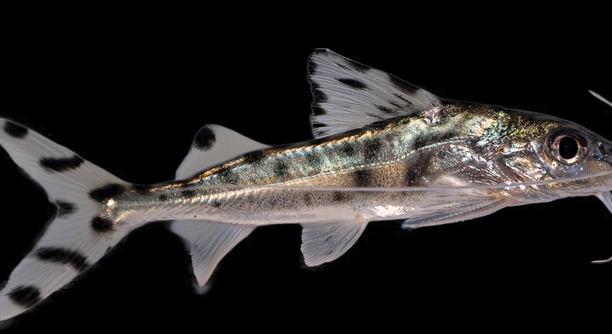
Pictus catfish are popular aquarium fish known for their active behavior and unique appearance. These fish often live in environments with limited light, raising interest in how they find their way around. Understanding their navigation abilities can help hobbyists care for them better.
Pictus catfish rely primarily on their lateral line system and sensory barbels to navigate in dark or murky waters. They do not depend on vision alone but use these specialized adaptations to detect movement and obstacles without light.
Knowing how pictus catfish move in darkness can improve tank setups and ensure their safety. This article will explore their natural abilities and what it means for keeping them healthy and comfortable.
How Pictus Catfish Use Their Senses to Navigate
Pictus catfish have several tools to help them find their way in dark water. Their most important sense for navigation is their lateral line system. This system runs along their sides and detects vibrations and changes in water pressure. When something moves nearby, the fish can sense it without needing to see it. Along with this, pictus catfish have long barbels around their mouths. These barbels act like tiny feelers that help the fish explore their environment by touch and taste. Together, these senses allow pictus catfish to swim confidently even when the water is murky or the tank is dimly lit. This means they can avoid obstacles and find food without relying on sight.
The lateral line and barbels give pictus catfish an advantage when light is limited. They adapt well to different conditions using these senses.
Understanding these natural abilities can help when setting up their aquarium. Providing places for the catfish to explore with their barbels, such as smooth rocks or plants, makes the environment more comfortable. Avoiding sharp decorations is also important because their barbels are sensitive. Proper tank lighting that is not too bright helps them stay active without stress. By knowing how pictus catfish sense their surroundings, caretakers can create a space where the fish feel safe and can move naturally.
The Role of Vision in Pictus Catfish Navigation
Although pictus catfish have good senses beyond sight, their vision still plays a part. These fish have eyes adapted to low-light conditions, which helps them see better in dim water. However, their eyesight is not the primary way they navigate. In very dark places, they depend more on touch and vibration sensing. The eyes support their other senses by helping them spot movement and shapes when there is some light.
Even with limited vision, pictus catfish manage well in tanks without bright lighting. This flexibility means they don’t require constant light to be active or healthy. It’s helpful to balance light levels in the aquarium so the fish can use all their senses effectively. For those caring for pictus catfish, this means focusing more on water quality and tank layout than on intense lighting. The fish’s sensory adaptations make it easier for them to live comfortably in various lighting conditions, especially when their environment mimics their natural habitats with subdued light.
How Pictus Catfish Adapt to Darkness
Pictus catfish adjust quickly to low-light environments by relying on their sensitive barbels and lateral line. These adaptations let them explore and find food without seeing clearly.
In dark or murky water, their barbels become essential tools for navigation. The barbels sweep the surroundings to detect textures, obstacles, and prey. This sense of touch helps them avoid collisions and find hiding spots. The lateral line complements this by picking up vibrations from movements nearby. These combined abilities make pictus catfish well suited for environments where light is scarce.
Because of these skills, pictus catfish remain active even when the tank lights are off or dimmed. They don’t depend heavily on vision, so sudden changes in lighting don’t stress them as much. This natural adaptation allows them to explore their space confidently, giving them a chance to behave naturally and stay healthy.
Tips for Setting Up a Low-Light Aquarium for Pictus Catfish
When creating a tank with low light for pictus catfish, it’s important to focus on hiding places and soft decorations. Plants, caves, and smooth rocks create a safe environment.
Avoid harsh lighting and use dim or adjustable lights to mimic their natural habitat. Soft substrates protect their barbels, which are sensitive. Regular cleaning keeps water clear, so their lateral line can sense vibrations better. Keep water movement gentle to prevent stress. Adding slow-moving plants helps reduce currents while giving them places to explore. Proper tank setup supports their natural behavior and keeps them comfortable in low-light conditions.
Challenges Pictus Catfish Face Without Light
Without light, pictus catfish rely heavily on their other senses, but sudden changes in environment can confuse them. New obstacles or strong water currents may disrupt their ability to navigate smoothly.
Stress can increase if the tank layout is too cluttered or unfamiliar. This can lead to less activity and affect their health.
How Pictus Catfish Use Water Currents
Pictus catfish sense water currents with their lateral line, helping them detect movement and locate food. They often swim facing currents to catch drifting particles. This behavior also helps them stay balanced and avoid obstacles. Understanding how currents affect their movement is key to setting up a comfortable tank. Providing gentle water flow supports their natural navigation and encourages healthy activity.
Sensory Limitations
While pictus catfish have strong non-visual senses, they are not perfect. Very still or stagnant water reduces their ability to detect movement effectively.
FAQ
How do pictus catfish find their way in complete darkness?
Pictus catfish use their lateral line system and sensitive barbels to detect vibrations and nearby objects. These tools let them feel movements and changes in water pressure, helping them avoid obstacles and find food without relying on sight. Their barbels act like tiny feelers, sweeping around to explore the environment by touch.
Can pictus catfish live happily in low-light tanks?
Yes, pictus catfish adapt well to low-light or dim tanks. They do not need bright light to be active because they depend more on their other senses than vision. However, it’s important to provide hiding spots and soft decorations that protect their barbels and offer places to explore safely.
Do pictus catfish get stressed in complete darkness?
They can become stressed if their environment changes suddenly or if there are no familiar landmarks to navigate. A stable tank layout with gentle water flow and safe hiding areas reduces stress and supports their natural behaviors, even in very low light.
What kind of tank setup helps pictus catfish navigate better?
A setup with smooth rocks, plants, and caves creates a safe environment for pictus catfish to explore using their barbels. Avoid sharp or rough decorations that can damage their sensitive feelers. Gentle water currents also improve their ability to sense vibrations and move comfortably.
Do pictus catfish rely on their eyes at all?
Yes, their eyes help when there is some light, but vision is not their primary navigation method. They have good low-light vision but mainly depend on touch and vibration sensing when light is scarce or absent.
How important is water quality for their navigation?
Clean water is very important. Clear water allows their lateral line system to detect vibrations better, and good water conditions keep the fish healthy and active. Dirty or stagnant water can reduce their ability to sense movement and increase stress.
Can pictus catfish recognize objects or other fish in the dark?
They don’t recognize objects visually in the dark, but their barbels and lateral line allow them to sense shapes and movements around them. This helps them avoid obstacles and interact with other fish safely, even with little to no light.
How fast can pictus catfish adapt to a new tank environment?
They usually adapt within a few days to a week if the new tank has familiar elements and gentle water flow. Sudden changes or rough decorations can slow their adjustment and cause stress.
Is extra lighting necessary for their health?
Extra lighting is not necessary for pictus catfish to stay healthy. Moderate or low lighting that mimics their natural environment works best. Too much light can stress them, while darkness encourages natural activity using their other senses.
How do pictus catfish behave at night?
They tend to be more active during low light or nighttime. They use their barbels and lateral line to explore and hunt for food. Their natural behavior includes swimming around and hiding in safe spots when they feel secure.
Do they need special care when kept in dark tanks?
Special care involves maintaining water quality, providing hiding spots, and using soft decorations. It’s important to avoid sudden light changes and strong currents that could disorient them. Keeping the tank environment stable helps them use their natural navigation skills.
What happens if their barbels get damaged?
Damaged barbels can make navigation and feeding difficult, as these feelers are crucial for sensing the environment. Injury can lead to stress and reduced activity. Gentle tank decorations and proper care reduce the risk of damage.
Can pictus catfish use smell to find food?
Yes, their barbels also help them detect chemical cues in the water, which assists in locating food. This sense works alongside touch and vibration sensing to help them find meals in dark or murky water.
Do they get lost easily without light?
Pictus catfish rarely get lost because of their strong sensory adaptations. However, very cluttered or constantly changing tanks may confuse them. Consistent tank setup supports their ability to navigate smoothly.
Are there signs pictus catfish struggle to navigate?
Signs include bumping into tank walls or decorations often, reduced activity, and hiding more than usual. These behaviors can indicate stress or difficulty sensing their surroundings and should be addressed by adjusting the tank environment.
Pictus catfish are interesting fish because they do not rely heavily on light to find their way. Their main tools for moving around are their lateral line and their barbels. These special parts help them sense vibrations and touch things in the water. Because of this, they can swim confidently even when the water is dark or cloudy. This ability makes them well suited for low-light environments. It also means that tank owners do not have to keep the lights very bright for these fish. Understanding how pictus catfish use their senses helps us create better homes for them.
Setting up a tank for pictus catfish means thinking about their unique needs. They need soft and smooth decorations so their barbels do not get hurt. Plants, caves, and gentle water currents make the fish feel safe and comfortable. Strong water flow or sharp objects can cause stress or injury, which can affect their behavior and health. It is also important to keep the water clean and clear, because this helps their lateral line sense movements better. A calm and well-maintained tank supports their natural habits and keeps them happy.
Pictus catfish are well adapted to live in darkness or dim light, but sudden changes in their environment can cause stress. Keeping the tank stable and providing hiding places helps them feel secure. Although their eyesight can help when there is some light, they mostly depend on other senses. This makes them unique among aquarium fish. By knowing how pictus catfish navigate and what they need, caretakers can make choices that support their health and natural behavior. A thoughtful setup and care routine lead to a better life for these curious and active fish.

Hello,
If you enjoy the content that we create, please consider saying a "Thank You!" by leaving a tip.
Every little bit helps us continue crafting quality advice that supports the health, happiness, and well-being of pets around the world, for pets of all shapes, sizes, and species.
We really appreciate the kindness and support that you show us!