
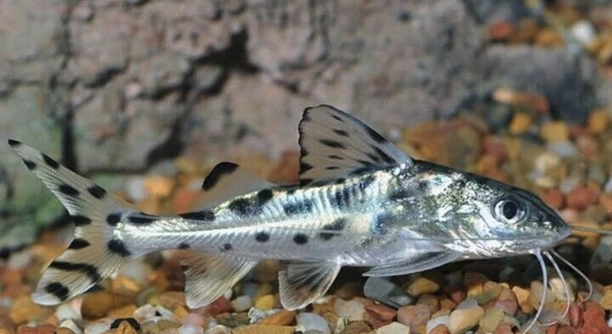
Are your pictus catfish not acting as lively and playful as they used to? Maintaining the right environment could be the missing piece. Small changes in water conditions can greatly affect their health and behavior over time.
The ideal parameters for happy pictus catfish include a temperature of 75–81°F, pH between 6.5–7.5, soft to moderately hard water, strong filtration, stable ammonia and nitrate levels, a spacious tank, and dim lighting.
By focusing on these key parameters, you’ll create a safe, stress-free home that supports both their physical health and natural instincts.
Temperature: Keeping It Just Right
Pictus catfish feel most comfortable in water that stays between 75°F and 81°F. This range supports their metabolism, keeps their immune system strong, and helps them stay active throughout the day. Sudden temperature shifts can stress them out and weaken their resistance to illness. Using a reliable heater and thermometer is essential. You’ll want to check the temperature daily to make sure it’s stable, especially during seasonal changes. If your room cools down at night, consider using an automatic heater to keep everything consistent. Avoid placing the tank near windows or vents to prevent fluctuations.
A stable temperature helps prevent infections and supports natural behavior like schooling and scavenging.
If your pictus catfish seem sluggish or hide more than usual, the water temperature could be off. Check your equipment regularly to avoid any issues. When the temperature is right, you’ll notice more movement and healthy feeding habits almost right away.
pH and Water Hardness: Balanced and Gentle
Keeping the pH between 6.5 and 7.5 and the water softness at a moderate level will keep your catfish stress-free and swimming happily.
Pictus catfish are sensitive to sudden changes in water chemistry. When the pH swings too high or too low, they may stop eating or begin acting restless. Using a water test kit at least once a week will help you keep everything within the correct range. If you’re adjusting pH, make any changes slowly, so your fish can adapt without stress. For hardness, aim for soft to moderately hard water, as this matches their natural habitat. Using driftwood or almond leaves can naturally soften the water without harsh chemicals. If your tap water is too hard, consider using a mix of reverse osmosis water. Be careful not to overcorrect — too many changes at once can do more harm than good. By keeping these levels steady, you’ll support your catfish’s long-term health.
Filtration and Water Flow: Clean and Steady
Strong filtration helps remove waste and keeps the water clear, which is important for the health of pictus catfish. These fish also enjoy a steady current, so a filter that provides both is ideal.
Choose a filter that matches your tank size and supports biological, mechanical, and chemical filtration. Pictus catfish produce a fair amount of waste, so it’s important to use a filter that can keep up. Canister filters or hang-on-back filters work well in most cases. Make sure the water surface is slightly moving, as this helps with oxygen exchange. Also, aim for a gentle current that flows across the tank but doesn’t push your fish around. Too much force can stress them out. Clean your filter media regularly, but don’t rinse it with tap water, as this can kill helpful bacteria. Instead, use tank water to preserve the balance inside your system.
Maintain your filter consistently and avoid letting it get clogged or too dirty. When your filter works well, your water will stay clear, oxygen levels stay balanced, and your catfish will have a healthy, stable environment. A clean tank also reduces the chance of illness and keeps ammonia and nitrite levels in check, which is essential for their well-being.
Tank Size and Space to Swim
Pictus catfish are very active and need enough room to swim freely. A small tank can limit their movement and cause stress. A tank that’s at least 55 gallons will give them enough space to move comfortably.
These catfish are fast swimmers and often move around the bottom and middle levels of the tank. If they’re kept in a tank that’s too small, they may become anxious, hide more often, or even show signs of aggression. A longer tank is better than a tall one, as it provides more horizontal swimming space. Adding caves, driftwood, or smooth rocks can give them places to hide when they need to feel secure, but be sure to leave enough open water for them to move freely. Keep tankmates peaceful and avoid overcrowding, as this can lead to stress. The more room they have to explore, the more natural and relaxed their behavior will be.
Lighting: Low and Comfortable
Pictus catfish prefer low lighting. Bright lights can stress them out and cause them to hide more often. A dim setup with soft, indirect lighting makes them feel safer and encourages more natural behavior during active hours.
Use floating plants or tall decorations to help block direct light.
Tank Mates: Calm and Compatible
Pictus catfish do best with peaceful, medium-sized tank mates that won’t nip at their fins or compete aggressively for food. Avoid very small fish, as they may be seen as food. Good companions include larger tetras, gouramis, and peaceful barbs. Always watch how new fish behave after adding them to the tank.
Ammonia and Nitrate Levels
Ammonia should always be at 0 ppm, and nitrates should stay under 20 ppm. Test weekly to keep levels safe.
FAQ
Can pictus catfish live alone?
Yes, they can live alone, but they often do better in small groups. Pictus catfish are naturally social and like to swim together. Keeping at least two or three can help reduce stress and bring out more natural behavior. If you only keep one, make sure the tank has enough hiding spots and stimulation so it doesn’t become bored or inactive. However, avoid overcrowding, especially in smaller tanks, as this can lead to stress and water quality issues.
How often should I feed my pictus catfish?
Feed your pictus catfish once or twice a day. They’re active scavengers and will search the tank for leftovers, but they still need a balanced diet. Use sinking pellets as the main food and add variety with frozen or live treats like bloodworms or brine shrimp. Avoid overfeeding, as it can dirty the water quickly. Only give them what they can finish in a couple of minutes. Remove uneaten food to help keep the tank clean and prevent ammonia buildup.
Do pictus catfish need a heater?
Yes, a heater is necessary. These catfish need warm water between 75°F and 81°F. Most rooms don’t stay within this range all year, especially in cooler seasons. A good quality heater will keep the temperature stable and reduce the risk of temperature shock. Even slight fluctuations can make them sick or inactive. Always pair the heater with a thermometer so you can check the water daily. If you live in a place with stable warm temperatures, you might not need a heater, but it’s safer to have one ready.
Why are my pictus catfish hiding all the time?
It could be due to stress, bright lighting, or poor water quality. Pictus catfish like to hide, especially during the day, but if they never come out, something might be wrong. Check the lighting first—if it’s too bright, they may avoid open spaces. Then test your water for ammonia, nitrites, and nitrates. Any imbalance can cause them to feel unsafe. Also, make sure they have enough hiding places so they can feel secure. When they feel safe, they will explore more, especially during feeding time.
Can pictus catfish live with shrimp or snails?
It’s not recommended. Pictus catfish have strong hunting instincts and will likely see smaller shrimp and snails as food. Even larger snails may not be safe, especially if the fish are hungry or curious. If you want to keep invertebrates, it’s better to house them in a separate tank. Pictus catfish are better suited to living with similarly sized or larger peaceful fish that won’t be mistaken for a snack.
How big do pictus catfish get?
They usually grow to about 4 to 5 inches long, but some can reach up to 6 inches in large, well-maintained tanks. It takes time for them to grow, so don’t be surprised if yours stays small at first. Their size also depends on the tank size, diet, and water conditions. Make sure they have room to swim and a good, steady diet. Crowded or unhealthy tanks can slow their growth and shorten their lifespan.
Do pictus catfish eat algae?
Not really. While they may nibble on some debris or biofilm while scavenging, they are not algae eaters. They prefer protein-rich foods like insects, worms, and sinking pellets. If your tank has an algae problem, it’s better to rely on algae eaters like plecos or snails (in a separate setup) rather than expecting pictus catfish to clean the tank. They’re better at cleaning up leftover food, not algae buildup.
How long do pictus catfish live?
With proper care, they can live for 8 to 10 years. Their lifespan depends on stable water conditions, a balanced diet, and enough space to swim. Poor water quality or stress can shorten their life quickly. Regular maintenance and weekly water checks will go a long way in helping them stay healthy and live longer.
Final Thoughts
Caring for pictus catfish is simple once you understand what they need. These fish are active, peaceful, and do best in a clean, steady environment. Things like proper temperature, gentle lighting, and clean water make a big difference in their health and behavior. If they’re kept in the right conditions, they stay active and playful, which is a good sign that they’re doing well. They’re not demanding fish, but they do rely on you to keep their home safe and stable. Taking the time to set things up properly can prevent a lot of problems later.
The key is consistency. Check the water temperature, pH, and ammonia levels often. Feed them the right amount and avoid overfeeding. Make sure your tank is big enough for them to swim comfortably. Add hiding spots and smooth decorations so they can feel secure. Also, choose tank mates carefully. Pictus catfish are peaceful but can get stressed if kept with aggressive fish or in a crowded tank. A calm, spacious tank will let them show their best behavior and help you enjoy watching them more. Keeping a routine and making small checks each week will help keep everything running smoothly without too much effort.
Owning pictus catfish can be a rewarding experience if their needs are met. They may be shy at first, but once they settle in, their lively swimming and calm nature make them enjoyable to keep. As long as you pay attention to their environment and respond to changes quickly, they will stay healthy and happy for years. Many fishkeepers find that the little details—like soft lighting, clean water, and a peaceful setting—go a long way in supporting their fish. You don’t need fancy equipment or rare foods to care for them properly. Just focus on the basics, stay consistent, and watch how they respond. Small changes, like lowering the lights or giving them a little extra space, can improve their overall comfort. When their needs are met, pictus catfish will reward you with active behavior and a strong presence in your tank.

Hello,
If you enjoy the content that we create, please consider saying a "Thank You!" by leaving a tip.
Every little bit helps us continue crafting quality advice that supports the health, happiness, and well-being of pets around the world, for pets of all shapes, sizes, and species.
We really appreciate the kindness and support that you show us!