
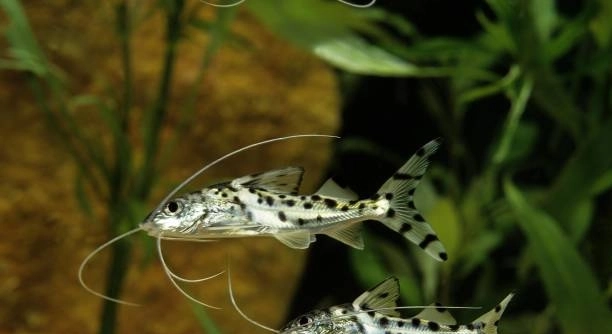
Whiskers play an important role in many animals’ daily lives, helping with navigation and sensing the environment. Keeping these sensitive hairs healthy is essential for their proper function and overall well-being. Nutrition has a key impact on whisker strength and growth.
Certain foods provide essential nutrients like biotin, vitamin E, and omega-3 fatty acids that support the growth and durability of healthy whiskers. Including these foods in the diet helps maintain whisker structure and prevents breakage or loss over time.
Knowing which foods benefit whiskers can improve care and ensure long-lasting whisker health. The following information highlights seven foods that support strong, healthy whiskers.
Salmon
Salmon is rich in omega-3 fatty acids, which are vital for healthy whiskers. These fats help maintain the flexibility and strength of whiskers, preventing them from becoming brittle. Salmon also provides a good source of protein, which supports overall hair and whisker growth. Including salmon in the diet ensures that animals get essential nutrients that promote shiny, strong whiskers. The natural oils in salmon keep the whisker follicles hydrated, reducing breakage and encouraging continuous growth. Regular servings of salmon can improve the appearance and function of whiskers, making them more resilient to daily wear. Many animals benefit from the anti-inflammatory properties of omega-3s, which also support skin health around whisker bases. Salmon’s nutrients work together to enhance whisker health and contribute to overall grooming.
Consistent intake of salmon helps maintain whisker strength and reduces damage from external factors.
Feeding salmon as part of a balanced diet offers multiple benefits beyond whisker care. It supports skin health, reduces inflammation, and provides important vitamins like vitamin D and B12. These nutrients aid in cell regeneration, keeping whiskers healthy and robust. Salmon is also highly digestible, making it easier for animals to absorb the nutrients effectively. Including salmon regularly in meals ensures a steady supply of fatty acids, which improve hair elasticity and shine. Omega-3 fatty acids found in salmon help repair damaged whiskers and prevent dryness. This makes it a valuable food choice for maintaining healthy whiskers and overall coat condition. The combination of protein and healthy fats contributes to better whisker growth and maintenance, providing visible benefits over time.
Eggs
Eggs are a great source of biotin, a vitamin essential for hair and whisker growth. Biotin strengthens whiskers and helps prevent breakage. Eggs also contain protein, which supports the structure of whiskers at the cellular level. Including eggs in the diet promotes healthy whisker development and repair.
Biotin in eggs supports the production of keratin, the protein that whiskers are made of.
Eggs are among the most nutrient-dense foods that benefit whisker health. They provide essential vitamins and minerals like vitamin A, D, and E, which contribute to skin and hair condition. The protein in eggs contains all nine essential amino acids necessary for strong whiskers. This complete protein supports the repair and growth of whisker follicles, promoting thicker, healthier whiskers. Biotin plays a critical role in maintaining the structural integrity of whiskers by supporting keratin production. Without enough biotin, whiskers can become weak and prone to breaking. Regularly feeding eggs in moderation can improve whisker quality and prevent damage. The combination of nutrients in eggs not only aids whisker growth but also supports the surrounding skin, ensuring a healthy environment for whisker roots.
Pumpkin Seeds
Pumpkin seeds are packed with zinc, which plays a key role in maintaining healthy whiskers. Zinc supports cell repair and growth, helping whiskers stay strong and resilient. Adding pumpkin seeds to the diet provides a natural source of this important mineral.
Zinc contributes to the production of keratin, the protein that makes up whiskers. Without enough zinc, whiskers may become weak or fall out prematurely. Pumpkin seeds also contain magnesium and iron, which support overall hair health. These minerals work together to nourish whisker follicles and promote regrowth after damage. Including pumpkin seeds as a regular snack or food topper can improve whisker condition over time. Their crunchy texture also adds variety to the diet, encouraging consumption while delivering essential nutrients.
The antioxidant properties of pumpkin seeds help protect whisker follicles from oxidative stress. This prevents premature aging and damage, keeping whiskers healthy and vibrant. Pumpkin seeds provide a balanced mix of vitamins and minerals essential for strong whisker growth and maintenance.
Sweet Potatoes
Sweet potatoes offer a rich source of vitamin A, which is important for skin and hair health. This vitamin supports the cells surrounding whisker follicles, ensuring they remain healthy and able to support strong whiskers. Including sweet potatoes in the diet helps maintain whisker condition.
Vitamin A encourages the production of sebum, a natural oil that keeps whiskers moisturized and prevents dryness. Dry whiskers are prone to breakage and splitting, which reduces their effectiveness. Sweet potatoes also contain antioxidants that protect skin and hair cells from damage caused by free radicals. Their high fiber content aids digestion, improving nutrient absorption essential for whisker growth. Feeding sweet potatoes regularly supports both the whiskers and the skin beneath, providing a foundation for long-lasting whisker health. The natural sweetness also makes sweet potatoes a palatable addition to many meals, encouraging consistent intake.
Carrots
Carrots are an excellent source of beta-carotene, which the body converts into vitamin A. This vitamin supports healthy skin and whisker growth. Regular consumption of carrots can help maintain whisker strength and prevent dryness.
The antioxidants in carrots protect whiskers from environmental damage. They also support the repair of whisker follicles, encouraging continuous growth.
Yogurt
Yogurt contains probiotics that support gut health and improve nutrient absorption. Better digestion means animals can access more vitamins and minerals essential for whisker strength. This helps maintain healthy whisker growth over time.
Spinach
Spinach is rich in iron and vitamin C, which promote healthy blood flow and collagen production around whisker follicles. This improves whisker growth and durability, keeping them strong and healthy.
Blueberries
Blueberries are high in antioxidants, which protect whisker follicles from damage caused by free radicals. These antioxidants also support skin health, indirectly benefiting whisker strength and growth.
What foods help support healthy whiskers?
Several foods support healthy whiskers by providing essential nutrients like biotin, vitamin A, omega-3 fatty acids, zinc, and antioxidants. Foods such as salmon, eggs, pumpkin seeds, sweet potatoes, carrots, yogurt, spinach, and blueberries contain these nutrients. Including these items in the diet promotes whisker growth, strength, and durability by nourishing whisker follicles and supporting skin health around them.
How do omega-3 fatty acids benefit whiskers?
Omega-3 fatty acids, found in foods like salmon, help maintain whisker flexibility and prevent brittleness. They also have anti-inflammatory properties that support skin health, reducing irritation around whisker bases. This ensures whiskers remain strong and less prone to breakage. Regular consumption of omega-3-rich foods improves overall whisker condition and promotes healthy growth over time.
Why is biotin important for whisker health?
Biotin is a vital vitamin that helps produce keratin, the main protein in whiskers. Without sufficient biotin, whiskers can become weak, brittle, and prone to breakage. Eggs are a great source of biotin, and including them in the diet helps strengthen whiskers, encouraging thicker and healthier growth.
Can zinc affect whisker growth?
Yes, zinc is essential for cell repair and growth, including the cells that produce whiskers. A deficiency in zinc may cause whiskers to weaken or fall out prematurely. Foods like pumpkin seeds provide zinc and other minerals that nourish whisker follicles, promoting regrowth and maintaining whisker strength.
What role does vitamin A play in whisker health?
Vitamin A supports skin and hair health by promoting sebum production, which moisturizes whiskers and prevents dryness. Sweet potatoes and carrots are rich sources of vitamin A. Adequate intake of this vitamin keeps whiskers flexible, reduces breakage, and supports the skin surrounding the whiskers.
Are antioxidants beneficial for whiskers?
Antioxidants protect whisker follicles from damage caused by free radicals. This protection prevents premature aging and deterioration of whiskers. Blueberries, carrots, and pumpkin seeds are rich in antioxidants, which also support skin health, creating a better environment for strong whisker growth.
How does gut health affect whisker condition?
Gut health influences nutrient absorption. Yogurt contains probiotics that promote a healthy digestive system, allowing better absorption of vitamins and minerals important for whisker growth and maintenance. Improved digestion ensures the body gets the nutrients needed to keep whiskers strong and healthy.
Is protein important for maintaining healthy whiskers?
Protein is a building block for whiskers since they are made primarily of keratin, a protein. Foods like eggs and salmon provide high-quality protein, supporting whisker structure and growth. Adequate protein intake is necessary to repair damaged whiskers and promote new growth.
Can diet alone improve whisker health?
Diet plays a significant role in whisker health by supplying essential nutrients. However, overall care, including proper grooming and avoiding damage, is also important. While good nutrition strengthens whiskers from within, external factors can affect their condition as well.
How often should these foods be included in the diet?
Including these nutrient-rich foods regularly—several times a week—ensures a steady supply of vitamins, minerals, and healthy fats that support whisker health. Consistency is key for maintaining strong, healthy whiskers over time.
Maintaining healthy whiskers requires a combination of proper care and good nutrition. Whiskers are sensitive and serve important functions, so supporting their health is essential. Including foods rich in vitamins, minerals, and healthy fats in the diet provides the necessary building blocks for strong, resilient whiskers. Nutrients like biotin, vitamin A, zinc, and omega-3 fatty acids work together to strengthen whiskers and keep the skin around them healthy. A balanced diet that features items such as salmon, eggs, pumpkin seeds, and sweet potatoes can make a noticeable difference in whisker condition.
It is important to remember that diet alone does not guarantee perfect whiskers. External factors such as grooming habits, environmental conditions, and potential injuries also affect whisker health. Gentle handling and avoiding unnecessary trimming or damage can help maintain their function and appearance. Regularly providing a variety of nutrient-dense foods supports the body’s natural ability to grow and repair whiskers. Over time, consistent care and a good diet will lead to stronger whiskers that are less likely to break or fall out.
Healthy whiskers contribute to overall well-being, and supporting them is a simple but effective step. By paying attention to nutrition and care, it is possible to keep whiskers in good shape for the long term. This approach not only helps maintain whisker health but also supports skin condition and general coat quality. Incorporating the right foods and maintaining gentle care routines will help ensure whiskers remain strong, flexible, and functional for daily use.

Hello,
If you enjoy the content that we create, please consider saying a "Thank You!" by leaving a tip.
Every little bit helps us continue crafting quality advice that supports the health, happiness, and well-being of pets around the world, for pets of all shapes, sizes, and species.
We really appreciate the kindness and support that you show us!