
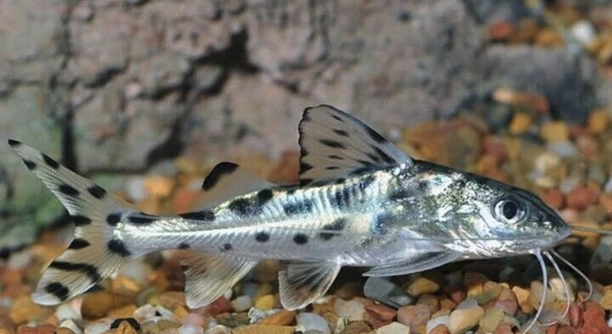
Many Pictus catfish owners notice their fish hovering in one spot for extended periods. This behavior can be surprising, especially for those new to keeping these active freshwater fish. Understanding why your catfish behaves this way helps ensure its well-being.
Pictus catfish often hover in one spot due to stress, water quality issues, illness, or resting behavior. Monitoring tank conditions and observing other symptoms can help identify the cause and ensure proper care.
Exploring these common reasons will provide insight into maintaining a healthy environment for your Pictus catfish and addressing any concerns promptly.
Reasons for Hovering Behavior in Pictus Catfish
Pictus catfish may hover in one spot for several reasons. Stress is common, often caused by sudden changes in water temperature, poor water quality, or overcrowding. Illness can also make your catfish less active, causing it to stay still to conserve energy. Sometimes, they rest after periods of activity. These fish are nocturnal, so hovering quietly during the day can be normal. Watching for other signs like clamped fins or erratic swimming can help you determine if the behavior is serious. Ensuring the tank is clean and stable helps reduce stress and encourages natural activity. It’s important to maintain regular water changes and monitor parameters such as ammonia, nitrites, and nitrates. Overfeeding can also impact their health, so feeding the right amount is key. Providing hiding spots and a calm environment supports their comfort and reduces unnecessary stress.
Monitoring your catfish closely during these times ensures timely care and recovery if needed.
Pictus catfish need clean water, stable temperatures, and minimal disturbance to thrive. If hovering is accompanied by other signs like loss of appetite or visible injury, a health issue may be present. Adjusting tank conditions and diet often improves behavior quickly. Always test water regularly and avoid overcrowding the tank. With proper care, your catfish will return to their usual energetic self.
How Water Quality Affects Pictus Catfish Behavior
Poor water quality directly affects your catfish’s health and behavior. Ammonia and nitrite spikes irritate their gills and cause stress, leading to unusual hovering or hiding. Keeping water clean with regular changes is crucial for their comfort.
Maintaining stable water parameters means your Pictus catfish can swim and feed normally. Sudden changes cause shock and increase disease risk. Use a reliable water testing kit to monitor ammonia, nitrites, nitrates, and pH levels consistently. Ideal conditions for Pictus catfish include a pH between 6.5 and 7.5 and temperatures from 74 to 79°F (23 to 26°C). Filtration should be efficient to remove waste and avoid harmful buildup. Avoid overcrowding the tank, which increases waste and stresses the fish. If water quality issues persist, it can weaken your catfish’s immune system, making them vulnerable to infections. Maintaining a routine care schedule is the best way to keep your fish healthy and active.
Good water quality improves overall fish health and minimizes unusual behaviors, including prolonged hovering.
Stress and Its Impact on Pictus Catfish
Stress can cause your Pictus catfish to hover in one spot as a coping mechanism. It is often triggered by environmental changes or aggressive tank mates.
Common causes of stress include sudden changes in water temperature, poor water quality, overcrowding, and incompatible fish species. Stress weakens the immune system, making catfish more prone to illness. Pictus catfish prefer calm surroundings with plenty of hiding spaces. Providing plants, caves, or decorations can reduce stress by offering secure places to retreat. Avoid loud noises or sudden movements near the tank, which may startle your fish. Regular tank maintenance and keeping compatible species together will help your catfish feel safe and more active.
If stress is not addressed, your catfish may show signs like loss of appetite, faded colors, or lethargy. Identifying stress early allows you to improve conditions and support your fish’s health.
Illness Symptoms to Watch For in Pictus Catfish
Changes in behavior like hovering in one spot may indicate illness. Look for visible symptoms such as clamped fins, white spots, or unusual marks on the body.
Illnesses common to Pictus catfish include bacterial infections, parasites, and fungal diseases. Poor water quality often contributes to the development of these conditions. If your catfish appears weak or swims erratically in addition to hovering, it may need treatment. Quarantining the affected fish and consulting with an aquatic veterinarian or experienced hobbyist can prevent spread to other fish. Prompt action increases the chances of recovery. Maintaining clean water and a balanced diet supports the fish’s immune system and reduces the risk of illness. Early detection is crucial for effective treatment and minimizing stress on your catfish.
Resting Behavior of Pictus Catfish
Pictus catfish often hover quietly to rest during the day. This is normal behavior since they are more active at night.
They use hovering spots as safe places to relax and conserve energy. Resting helps them stay healthy and ready for nighttime activity.
Feeding and Its Effect on Hovering
If your catfish has just eaten, hovering can be part of its digestion process. After feeding, Pictus catfish tend to slow down and remain still to process their food properly.
Feeding schedules impact activity levels. Overfeeding or underfeeding may cause unusual hovering or lethargy. Balanced feeding supports healthy behavior and reduces stress.
Tank Environment and Its Role
The tank setup influences how much your Pictus catfish moves. Crowded or poorly arranged tanks often cause fish to hover in one place.
Signs of Serious Health Issues
Persistent hovering combined with other worrying symptoms requires attention from an expert to avoid serious health problems.
Why is my Pictus catfish hovering near the surface?
Pictus catfish hovering near the surface often indicates low oxygen levels in the water. They go up to breathe more easily when oxygen is scarce. This can happen if the tank lacks proper aeration or the water is too warm, as warm water holds less oxygen. Improving water circulation with an air stone or filter and lowering the temperature slightly can help. Regular water changes are essential to maintain good oxygen levels. If the behavior continues despite these changes, other issues like illness might be causing discomfort.
Is it normal for my Pictus catfish to hover during the day?
Yes, it is normal. Pictus catfish are nocturnal, meaning they are more active at night and rest during the day. Hovering quietly in one spot is part of their resting routine. Providing hiding places like caves or plants helps them feel secure while resting. However, if the hovering is constant and accompanied by other symptoms like loss of appetite or lethargy, it could indicate stress or illness.
Can water quality cause my Pictus catfish to hover?
Poor water quality is one of the main reasons for this behavior. High ammonia, nitrite, or nitrate levels irritate the fish’s gills and skin, causing stress. Stress often makes fish stay still to conserve energy. Regular testing of water parameters and consistent maintenance, including partial water changes, keep water clean and safe. Avoid overfeeding, as uneaten food can pollute the water quickly.
What should I do if my Pictus catfish is hovering and not eating?
Loss of appetite along with hovering is a sign of possible illness or stress. Check water parameters immediately for toxins or temperature problems. Inspect your fish for visible signs of disease like spots, clamped fins, or discoloration. Isolate the fish in a quarantine tank if needed. Consulting an aquatic veterinarian or experienced aquarist for diagnosis and treatment advice is wise.
Could tank mates cause my Pictus catfish to hover in one spot?
Yes. Aggressive or territorial tank mates can stress Pictus catfish, making them stay still to avoid conflict. This fish prefers peaceful community tanks with compatible species. Overcrowding also adds stress and competition for food and space. Observing interactions and removing aggressive fish helps your catfish feel safer and more active.
Is it possible that my Pictus catfish is just resting?
Definitely. Like many nocturnal fish, Pictus catfish need downtime during daylight hours. Resting by hovering in a calm spot is a natural part of their daily cycle. Providing dim lighting or shaded areas enhances their comfort. Keep an eye out for signs that suggest resting instead of illness, such as normal appetite and no physical distress.
How long can a Pictus catfish hover without moving before it becomes a problem?
Short periods of hovering lasting minutes to a few hours are normal. However, if your catfish hovers in the same spot without moving for an entire day or more, this could signal health or environmental problems. Prolonged inactivity, combined with other symptoms like labored breathing or visible injuries, requires prompt attention.
What tank conditions are ideal to prevent hovering caused by discomfort?
Pictus catfish thrive in tanks with stable temperatures between 74°F and 79°F (23°C to 26°C), a pH of 6.5 to 7.5, and good water movement. A well-filtered tank with regular water changes keeps conditions safe. Provide hiding spots and avoid overcrowding. Maintaining these conditions reduces stress and encourages normal swimming behavior.
Can diet affect my Pictus catfish’s hovering behavior?
Yes, diet plays a role. Overfeeding or feeding poor-quality food can upset digestion and cause lethargy. Underfeeding can weaken the fish, making it less active. A balanced diet of sinking pellets, live or frozen foods such as bloodworms and brine shrimp, supports good health and energy levels. Feeding small amounts once or twice daily is best.
When should I seek professional help for my Pictus catfish’s hovering behavior?
Seek professional advice if hovering is persistent and paired with loss of appetite, physical damage, unusual spots, rapid breathing, or erratic swimming. If water quality and tank conditions are good but the behavior remains, an aquatic veterinarian or experienced aquarist can help diagnose and treat underlying health issues. Early intervention improves outcomes.
When your Pictus catfish hovers in one spot, it can be concerning at first. However, this behavior is not always a sign of a problem. Sometimes, the fish is simply resting or adjusting to its environment. These catfish are naturally more active at night and tend to stay still during the day. It is important to observe the overall condition of your fish and the tank before assuming there is an issue. Regular tank maintenance, such as checking water quality and keeping the environment stable, will help your catfish stay healthy and active.
Stress and illness are the most common reasons for unusual hovering behavior in Pictus catfish. Changes in water temperature, poor water quality, overcrowding, or aggressive tank mates can all cause stress. Illness may show other signs like loss of appetite, clamped fins, or visible spots. Watching for these symptoms early can help you act quickly to protect your fish. Ensuring your tank is clean and that you feed your catfish the right diet supports its immune system and reduces the chance of health problems.
Taking care of Pictus catfish requires attention to their natural habits and tank conditions. Providing hiding places and keeping the water parameters stable creates a comfortable environment. Regular observation and maintenance will help you notice any changes in behavior before they become serious. With proper care, your Pictus catfish can thrive and show the active swimming behavior they are known for. Understanding why they hover and knowing how to respond is key to keeping your fish happy and healthy.

Hello,
If you enjoy the content that we create, please consider saying a "Thank You!" by leaving a tip.
Every little bit helps us continue crafting quality advice that supports the health, happiness, and well-being of pets around the world, for pets of all shapes, sizes, and species.
We really appreciate the kindness and support that you show us!