
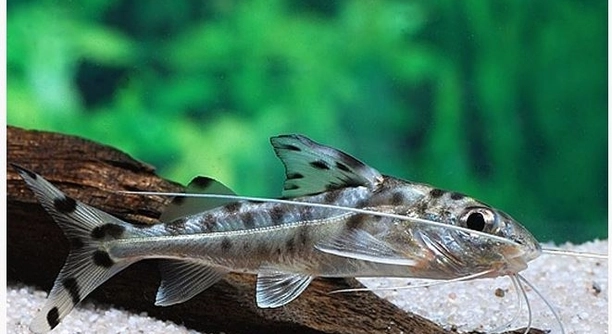
Do you ever find yourself wondering if your pictus catfish would benefit from a more structured daily schedule in their tank?
Pictus catfish do not require a strict routine, but consistent environmental conditions and regular feeding times help reduce stress and promote natural behavior. Stability in water quality, lighting, and feeding enhances their overall well-being in captivity.
Learning how a balanced environment and predictable care can support your catfish will help you create a healthier and more stable aquarium.
Why Consistency Helps Pictus Catfish Thrive
Pictus catfish are active, nocturnal fish that do best in stable, predictable environments. A consistent routine with regular feeding times, steady water parameters, and a fixed lighting schedule helps reduce stress and supports healthy behavior. When their surroundings remain stable, they become more comfortable exploring their tank and interacting with other fish. Sudden changes in tank conditions can make them more anxious or cause them to hide more often. Feeding them at the same time each day also encourages natural foraging patterns and prevents overfeeding. Keeping the tank lights on and off at the same times every day helps regulate their day-night rhythm. Pictus catfish are sensitive to change, so minimizing fluctuations in temperature and water quality goes a long way. With structure, they are more likely to stay healthy, grow well, and show their true, lively personality. Consistency brings balance, which is key to their long-term care.
Routine reduces confusion and stress, making daily life easier for these active swimmers.
If you’ve noticed your pictus catfish hiding more than usual or acting anxious, inconsistent care might be the reason. Even small shifts in lighting or feeding times can impact their comfort. Providing regular care helps them feel more secure and better adjusted in their tank.
Setting Up a Gentle Routine
Establishing a basic care routine doesn’t mean a strict schedule. It just means doing the same tasks around the same time each day.
Start with feeding. Offer food once or twice daily at consistent times. Pictus catfish eat quickly and enjoy variety, so use sinking pellets, frozen foods, or bloodworms. Feeding in the evening suits their natural activity cycle best. For lighting, use a timer to keep day and night hours steady—about 10–12 hours of light works well. Sudden changes in light can startle them, so try to avoid flipping lights on and off manually. Keep the water clean by performing partial water changes weekly. Testing water parameters regularly will help you maintain safe levels of ammonia, nitrites, and nitrates. Keep their space calm by avoiding loud noises or unnecessary movement around the tank. Once these tasks become part of your routine, they’ll become easier to manage. Your pictus catfish will respond positively to the stable environment, becoming more active and visible over time.
Common Signs Your Routine Is Working
When your pictus catfish has a steady routine, you’ll notice calm, confident swimming, regular eating habits, and more time spent exploring. These signs show that your fish feels secure and is adjusting well to the environment you’ve created.
If your pictus catfish comes out regularly during feeding times, explores without hesitation, and shows no signs of stress like darting or hiding all day, your routine is likely working. Consistent behavior like this often means the fish feels safe. A healthy appetite and smooth swimming patterns also signal comfort. Their coloring may become more vibrant too. Watching how your fish behaves daily is a simple way to monitor progress. Any changes—like less activity or loss of appetite—might suggest something in the routine or tank conditions has shifted. Observing closely will help you keep things balanced without having to make constant adjustments.
Stable routines also help your pictus catfish interact more peacefully with tankmates. Aggression or chasing can lessen when everyone in the tank follows a predictable rhythm. The calm energy in the tank reduces stress for all fish, not just the pictus catfish. It also makes maintenance easier for you because fewer problems pop up when the environment stays consistent. A simple routine brings steady improvements.
When to Adjust the Routine
There are times when you’ll need to make changes—like when your fish outgrows its tank or if water parameters become unstable. Slow, gentle adjustments help your pictus catfish adapt without unnecessary stress or confusion.
Start with small changes. If you’re switching food, mix the new type with the old for a few days. If you need to adjust lighting hours, do so in 30-minute increments across a few days rather than all at once. Changes in water temperature should also be gradual, staying within safe ranges of 72–78°F. Monitor your catfish during these times to catch any signs of discomfort. If it begins hiding more or eats less, it may be reacting to the change. Returning to what worked before can help stabilize things. When done slowly, adjustments will not disrupt their comfort. Always observe closely, and let your catfish’s behavior guide you.
Signs Your Routine May Be Causing Stress
If your pictus catfish is hiding most of the time, skipping meals, or swimming erratically, your routine may be too unpredictable or disruptive. Sudden changes often make them feel unsafe, leading to unusual or anxious behavior in the tank.
Excessive hiding during feeding times or sudden aggression toward tankmates may also signal that something is off. Changes in routine, like irregular lighting or feeding, can make them unsettled. Watch for shifts in behavior, and respond with calm, steady care.
How Long It Takes to See Results
It usually takes a week or two for pictus catfish to adjust to a new routine. You may notice small changes within a few days, such as more activity or interest in food. Full comfort and consistent behavior can take longer, especially if previous care was inconsistent. During this period, stick to your new routine without making further changes. Avoid switching foods, lighting schedules, or tank layout. Keeping everything stable helps your fish relax and adapt naturally. Patience is key, and slow, steady care will show results. Consistent observation helps you track progress without overcorrecting. Trust the process and give it time.
Why Routine Matters More in Captivity
In captivity, fish depend on their caregivers to create a stable, healthy environment. A routine offers structure that mimics the consistency of their natural habitat. Without it, they may become stressed and more prone to illness or poor behavior.
FAQ
Do pictus catfish need to be fed at the same time every day?
Yes, feeding your pictus catfish at the same time each day helps them feel secure. It builds a sense of rhythm in their environment and reduces stress. These fish quickly learn when to expect food and will often come out around feeding time. Evening feeding is usually best, since they are more active at night. Keeping a consistent schedule helps prevent overeating and supports digestion. If you must adjust feeding times, do it gradually so the fish can adapt without anxiety. Sudden changes in feeding routines may cause confusion or missed meals.
Is it bad to change the tank lighting schedule often?
Yes, frequent lighting changes can confuse your pictus catfish and disrupt their internal clock. They rely on a regular light-dark cycle to manage rest and activity. Using a timer helps maintain this balance. Sudden lights turning on or off can startle them, leading to darting or hiding. It’s best to keep lighting consistent every day, around 10 to 12 hours. If you must adjust the schedule, do it slowly, shifting the time in small amounts each day. Stability makes them feel safer and allows them to develop regular swimming and feeding patterns.
What happens if I skip a feeding?
Missing one feeding usually isn’t a problem for a healthy pictus catfish. These fish can go a day without food if needed. However, frequent missed meals can create stress and affect their health. A regular feeding schedule helps them stay active and nourished. If you skip a meal, avoid overfeeding at the next one. Just return to the normal schedule. Having someone feed them while you’re away or using an automatic feeder can help maintain consistency. A balanced diet and steady feeding time are both important for long-term care and comfort.
Can I change their routine during water changes?
Water changes are part of routine care, and small disruptions are usually okay. Try to do them on the same day each week so your fish becomes familiar with the pattern. Perform them calmly, without sudden movement or splashing. If your pictus catfish seems stressed during a water change, consider turning off lights briefly or moving more slowly. Avoid feeding during the water change or right before, as this may increase their stress. Keeping the process predictable, clean, and quiet will help your fish adjust without fear or confusion.
Do pictus catfish recognize patterns in human behavior?
Yes, pictus catfish can learn to recognize patterns in their environment, including your actions. They may come to the front of the tank when you approach at feeding time or become more active when lights go on or off. This kind of learning makes a consistent routine even more helpful. They associate your behavior with comfort, food, or safety. Sudden changes in your routine—like tapping the glass or turning lights on suddenly—can cause them to hide or act skittish. Being calm and consistent helps them feel more comfortable and engaged.
What if my pictus catfish doesn’t respond to the routine?
If your pictus catfish isn’t responding after a few weeks, check the basics first. Make sure water parameters are stable, the tank is not overcrowded, and feeding times are consistent. Stress from tankmates, poor water quality, or too much light can interfere with routine responses. Also, be sure they’re getting enough hiding spots to feel safe. Sometimes, it takes longer for a fish to adjust, especially if it was recently moved or has had inconsistent care before. With steady effort and attention to their needs, most pictus catfish begin to settle into the routine.
How do I know if my pictus catfish is stressed by a new routine?
Signs of stress include hiding all day, swimming frantically, refusing food, or staying in one corner. If you notice these behaviors after changing the routine, slow down and return to what worked before. Make any needed adjustments more gradually. Fish need time to adapt. Observe their behavior for a few days before changing anything else. Keep the tank environment quiet and free from sudden changes in light, sound, or temperature. Often, just giving them time and space in a stable setting will help reduce signs of stress.
Do tank mates affect a pictus catfish’s routine?
Yes, tank mates can influence how well a pictus catfish adjusts to a routine. Aggressive or overly active fish may disrupt your catfish’s natural behaviors. Choose peaceful, similarly sized fish that won’t compete aggressively for food. Tank mates that follow a similar day-night rhythm also help maintain a balanced environment. If your pictus catfish appears stressed around certain fish, it may retreat or avoid open spaces, no matter how well you’ve set up a routine. Keeping the tank calm and free from conflict helps everyone follow a steady pattern.
Is a routine more important for young pictus catfish?
Young pictus catfish benefit greatly from structure. A consistent routine helps them grow, develop regular behaviors, and feel safe in their new environment. During this stage, their bodies and immune systems are still developing, so they rely even more on stable conditions. Frequent changes can slow growth and cause health problems. Regular feeding, gentle lighting, and clean water are especially important during this time. Once they become used to a predictable environment, they will explore more and show natural behavior. Establishing structure early on supports long-term well-being and ease of care.
Final Thoughts
Caring for pictus catfish becomes easier when you create a routine they can rely on. These fish are sensitive to change and respond better when their environment stays stable. Simple habits like feeding at the same time every day, using a timer for lights, and doing regular water changes all help reduce stress. A clear, steady routine gives your catfish the chance to settle in, explore their tank, and act naturally. It doesn’t have to be strict, but it should be consistent enough to make them feel safe and comfortable in their space. Small changes in lighting, food, or water quality can have a big impact if they happen too often. That’s why it’s helpful to keep track of how they respond to different parts of your routine.
Over time, you’ll start to notice patterns in your pictus catfish’s behavior. They may swim near the surface when it’s feeding time or come out more often when the lights are on at their usual hour. These signs show they feel secure and understand what to expect in their environment. If something changes and they start hiding or skipping meals, it may be a sign that something in the routine has shifted. Watching their behavior daily can help you make small adjustments before any bigger issues come up. These fish can’t tell you when something is wrong, but they communicate clearly through their actions. A calm, predictable routine allows them to show their true personalities without fear or confusion.
In the end, creating a routine isn’t just about making life easier for your fish—it also helps you stay on top of their care. With set times for feeding and cleaning, it’s easier to keep the tank clean, water balanced, and your fish well-fed. It becomes part of your day without much effort, and your catfish will benefit from that regular attention. Pictus catfish are active, interesting fish to watch, and they thrive when their care is consistent and stress-free. The more reliable the environment, the more confident and healthy they will be. By offering structure, you’re giving them the chance to live calmly and grow well in your care. Over time, this balance makes for a peaceful tank and a more rewarding experience for both you and your fish.

Hello,
If you enjoy the content that we create, please consider saying a "Thank You!" by leaving a tip.
Every little bit helps us continue crafting quality advice that supports the health, happiness, and well-being of pets around the world, for pets of all shapes, sizes, and species.
We really appreciate the kindness and support that you show us!