
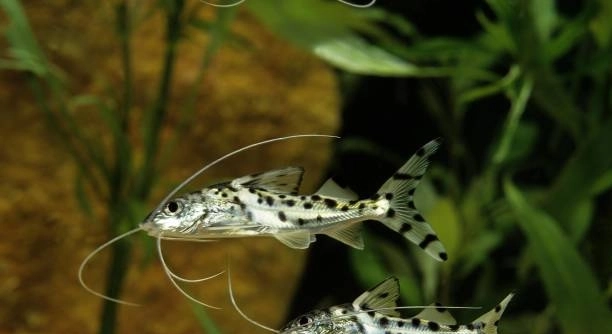
Pictus catfish are popular freshwater fish often kept in home aquariums. They are known for their active behavior and attractive spotted appearance. Many aquarium hobbyists wonder about their compatibility with other bottom-dwelling fish.
Pictus catfish can be kept with certain bottom feeders, but caution is necessary. They are generally peaceful, yet their active nature may stress slower, more timid bottom dwellers. Compatibility depends on tank size, species, and individual fish temperament.
Learning about these compatibility factors will help you create a balanced and peaceful aquarium environment for all your bottom feeders. Understanding their behaviors ensures a healthy and happy tank community.
Understanding Pictus Catfish Behavior
Pictus catfish are known for being very active swimmers, especially during the evening and night. They often explore the entire tank, swimming quickly from one spot to another. Because of this energy, they can sometimes startle slower bottom feeders who prefer to stay hidden or move slowly. Pictus catfish also have small, sharp barbels that help them search for food in the substrate. They usually feed on leftover food and small invertebrates, which makes them good at cleaning the tank bottom. However, their fast movements and tendency to swim around might cause stress to shy or delicate bottom dwellers. It’s important to observe how different fish react to each other to prevent any problems.
Pictus catfish do not show aggressive behavior but need enough space to swim comfortably without crowding other fish.
Ensuring a tank with plenty of hiding places and a large swimming area can reduce stress for all fish. Adding rocks, plants, or decorations gives slower bottom feeders a safe retreat from the active Pictus catfish. This setup encourages peaceful coexistence. Also, keeping the tank well-fed prevents competition for food, helping maintain harmony.
Choosing Compatible Bottom Feeders
Certain bottom feeders tend to do well with Pictus catfish because their behaviors and needs match better. Species like Corydoras catfish are good companions since they are peaceful and quick enough to avoid stress. Plecos can also coexist well, especially larger types that are less likely to be bothered by the Pictus catfish’s movements. Avoid keeping very slow or highly territorial bottom feeders with Pictus catfish, as this can lead to stress or fights.
Compatibility depends largely on observing how your fish interact over time. Each tank and group of fish are unique.
When setting up a tank with Pictus catfish, it helps to research the species of bottom feeders carefully. Look for fish that are peaceful, active, and not overly aggressive or shy. Providing enough space and hiding spots is crucial for reducing conflicts. Some fish that spend more time in open water may also reduce crowding near the bottom. Regular tank maintenance and monitoring fish behavior can help spot issues early, allowing adjustments to be made. A well-planned tank ensures all fish live comfortably together without stress or harm.
Tank Setup for Pictus Catfish and Bottom Feeders
A proper tank setup helps reduce stress and promote harmony among fish. Provide plenty of hiding spots using plants, rocks, or decorations. Keep the tank size large enough to allow active swimming space for Pictus catfish without crowding bottom dwellers.
Good filtration and regular water changes maintain water quality, which is important for all species.
Creating zones within the tank helps fish establish their own space. Using soft substrate protects barbels and encourages natural foraging. Lighting should be moderate to avoid stressing shy bottom feeders. Arrange decorations to create open swimming areas and sheltered spots. Feeding schedules should ensure all fish receive enough food without competition. Avoid overcrowding, as too many fish increase stress and territorial behavior.
Keeping the environment stable with proper temperature and pH levels supports healthy behavior. Observing fish daily allows early detection of problems and timely intervention.
Feeding Practices to Keep Peace
Separate feeding areas can prevent competition and aggression. Pictus catfish usually eat at night, while many bottom feeders feed during the day. This natural difference can reduce food fights. Use sinking pellets or wafers to ensure bottom feeders get food. Supplemental feeding with live or frozen foods helps meet dietary needs.
Feeding the right amount of food reduces leftover waste that can harm water quality. Avoid overfeeding, as it causes water pollution and stress. Monitor how fish respond during feeding and adjust portions accordingly. Feeding at consistent times helps fish establish routines, reducing anxiety and competition. Proper nutrition supports the immune system and overall health.
Rotating food types keeps fish interested and balanced nutritionally. Combining these feeding strategies helps maintain peace and promotes a healthy aquarium community.
Signs of Stress in Bottom Feeders
Stress in bottom feeders can show through changes in behavior or appearance. Fish may hide more often, lose appetite, or show rapid breathing. Look for faded colors or damaged fins as possible signs of distress.
Early detection helps prevent serious health problems. Monitoring fish closely during tank changes or after adding new species is important.
Preventing Aggression in Mixed Tanks
Aggression usually comes from overcrowding or lack of hiding spaces. Providing plenty of cover and enough room for each fish reduces territorial fights. Regularly checking water conditions also lowers stress that can trigger aggression.
Tank Mates to Avoid with Pictus Catfish
Avoid keeping overly aggressive or very slow bottom dwellers with Pictus catfish. Some species may nip barbels or be intimidated by their fast movements, leading to stress or injury.
Importance of Regular Tank Maintenance
Regular cleaning and water changes are essential to keep fish healthy and calm. Proper maintenance prevents buildup of toxins that cause stress and illness in all aquarium inhabitants.
FAQ
Can Pictus catfish live peacefully with all bottom feeders?
Pictus catfish are generally peaceful but do not get along with every bottom feeder. They are active swimmers, which can stress very slow or shy species. Choosing compatible species and providing enough space and hiding spots are key to peaceful coexistence.
What are the best bottom feeders to keep with Pictus catfish?
Species like Corydoras catfish and some plecos usually do well with Pictus catfish. Corydoras are quick and peaceful, while many plecos are large enough to avoid stress. Avoid overly territorial or slow-moving bottom feeders that might feel threatened.
How large should the tank be for Pictus catfish and other bottom feeders?
A minimum tank size of 30 gallons is recommended to accommodate Pictus catfish and other bottom dwellers comfortably. Larger tanks reduce territorial disputes and provide enough swimming room for active fish.
What kind of substrate works best for Pictus catfish?
Soft, smooth substrates like sand or fine gravel protect the sensitive barbels of Pictus catfish. Sharp or rough substrates can cause damage or infections. This also benefits other bottom feeders that forage in the substrate.
How often should I feed Pictus catfish and their tank mates?
Feed Pictus catfish once or twice daily, usually in the evening when they are more active. Bottom feeders often eat during the day. Use sinking pellets or wafers for bottom feeders, and supplement with live or frozen foods for variety.
Can Pictus catfish damage plants in the aquarium?
Pictus catfish usually do not harm live plants. They are more interested in hunting small invertebrates and leftover food. However, they may dig lightly in the substrate, so choose hardy plants that tolerate some disturbance.
What water parameters are ideal for Pictus catfish?
Pictus catfish thrive in water with a temperature between 72°F and 79°F (22°C to 26°C). They prefer a pH range of 6.5 to 7.5 and moderate hardness. Stable water conditions help keep them healthy and stress-free.
How can I tell if my bottom feeders are stressed by Pictus catfish?
Signs of stress include hiding, loss of appetite, rapid breathing, and color fading. If you notice these behaviors, consider rearranging the tank or adding more hiding places to reduce tension.
Are Pictus catfish nocturnal?
Pictus catfish are mostly active at night, but they can also be seen swimming during the day. Their peak activity is in low light conditions, which matches well with some bottom feeders who are more active at different times.
Can Pictus catfish live with shrimp or other invertebrates?
Pictus catfish may view small shrimp or invertebrates as food. If you want to keep them together, choose larger or faster shrimp species and provide plenty of hiding spaces to protect the invertebrates.
What should I do if Pictus catfish are chasing other bottom feeders?
If chasing occurs frequently, try increasing the tank size or rearranging decorations to break line of sight. Adding more hiding places helps stressed fish find refuge. In some cases, separating aggressive individuals may be necessary.
Is it okay to keep multiple Pictus catfish together?
Pictus catfish do well in groups of three or more, as they are social fish. Keeping them in groups can reduce their stress and make them feel more secure. However, ensure there is enough space to avoid crowding.
How important is water filtration for tanks with Pictus catfish?
Good filtration is essential since Pictus catfish produce moderate waste. Clean water keeps all fish healthy and reduces stress. Use filters that provide both mechanical and biological filtration for best results.
Do Pictus catfish need special lighting?
Moderate lighting is best. Too bright lighting can stress Pictus catfish and shy bottom feeders. Using plants or decorations to create shaded areas allows fish to choose their preferred light levels.
Can Pictus catfish survive in a community tank?
Yes, they can live in community tanks if tank mates are chosen carefully. Avoid aggressive or very slow fish that may be stressed by the Pictus catfish’s active behavior. Proper tank size and environment help maintain peace.
How long do Pictus catfish typically live?
With proper care, Pictus catfish can live up to 8 to 10 years. Good water quality, a proper diet, and a peaceful environment contribute to their longevity.
This FAQ covers many common concerns about keeping Pictus catfish with other bottom feeders. Proper care and careful selection of tank mates will create a balanced and peaceful aquarium.
Pictus catfish can be a great addition to a community tank, especially with the right bottom feeders. Their active nature and peaceful temperament make them interesting to watch, but they do require some careful planning. Not every bottom feeder will get along with them, so choosing compatible species is important. Fish like Corydoras catfish or certain plecos usually make good companions. These fish tend to be quick, peaceful, and able to handle the Pictus catfish’s energetic swimming style. Avoid very slow or aggressive bottom feeders, as they may become stressed or even injured. The key is to balance activity levels and personalities to create a calm and safe environment for all.
Setting up the tank properly also plays a big role in ensuring harmony. Pictus catfish need enough space to swim freely, so a larger tank is better. Providing plenty of hiding places with plants, rocks, or decorations helps slower bottom dwellers feel safe. Soft substrates like sand protect the sensitive barbels of the Pictus catfish and are gentle for other fish that like to forage. Regular maintenance, including water changes and filtration, keeps the water clean and reduces stress for all fish. Monitoring water temperature and pH levels helps keep the environment stable and healthy. Feeding routines matter as well, making sure all fish get enough food without competition. These steps create a comfortable space where fish can live peacefully together.
Ultimately, keeping Pictus catfish with bottom feeders can work well if the right conditions are met. It takes some observation and care to understand how your fish interact and to adjust the setup as needed. Watching your fish daily for signs of stress or aggression will help you spot problems early. When managed properly, these fish can live happily side by side and add variety to your aquarium. The effort put into choosing suitable tank mates, arranging the tank, and maintaining water quality pays off with a balanced and peaceful aquatic community. With patience and attention, your tank can thrive with Pictus catfish and compatible bottom feeders.

Hello,
If you enjoy the content that we create, please consider saying a "Thank You!" by leaving a tip.
Every little bit helps us continue crafting quality advice that supports the health, happiness, and well-being of pets around the world, for pets of all shapes, sizes, and species.
We really appreciate the kindness and support that you show us!