
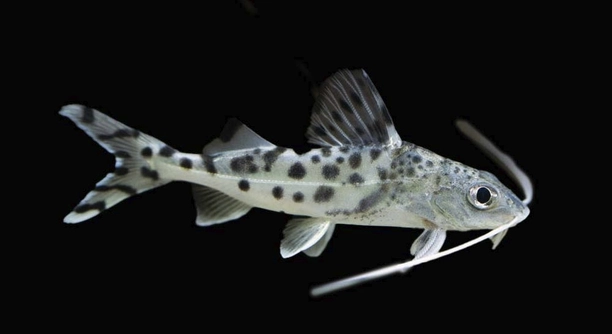
Many people enjoy keeping Pictus catfish in their aquariums because of their active nature and unique appearance. These fish are known to be sensitive to changes in their environment. Observing how they react to movement nearby can be quite interesting.
Pictus catfish have limited ability to detect human movement. Their sensory systems are mainly adapted to detect vibrations and changes in water currents rather than visual cues of people moving outside the tank. This means they respond more to water disturbances than direct human motion.
Understanding how Pictus catfish sense their surroundings helps improve care and interaction with them. Learning about their behavior can make aquarium keeping more rewarding and enjoyable.
How Pictus Catfish Sense Movement
Pictus catfish rely heavily on their lateral line system to detect changes around them. This system is made up of tiny sensors along their bodies that pick up vibrations and water movements. When a human moves near the aquarium, these vibrations travel through the water. The catfish can sense this but don’t actually see the person moving outside the tank clearly. Their eyesight is not strong enough to detect detailed movement from outside. Instead, they respond to the ripple or disturbance caused by movement, like when you tap the glass or wave your hand close to the tank. This sensitivity helps them stay alert to potential threats or food sources. It also explains why they may dart around or hide when someone approaches suddenly, even if they can’t see the person well.
These sensory abilities are more about detecting water pressure changes than visual signals. This helps the catfish survive in murky environments.
Understanding this can improve how you interact with your Pictus catfish. Being gentle near the tank will make them feel safer and less stressed.
Visual Limitations of Pictus Catfish
Pictus catfish have relatively poor eyesight compared to other fish species. Their eyes are adapted to low light and murky water conditions, which means they rely more on other senses. This limits their ability to detect human movement clearly through the glass of an aquarium. While they can notice shadows or changes in light, they do not recognize shapes or detailed motion like humans or other animals might. Because of this, their reaction to human presence is usually triggered by water vibrations rather than seeing the actual movement. This trait makes them more sensitive to sudden disturbances near the tank rather than gradual movements from a distance.
In short, their vision does not play a major role in detecting human motion outside the tank.
This knowledge helps aquarium owners understand why Pictus catfish might react unexpectedly. For example, quick movements near the tank or tapping on the glass can startle them, while calm and slow actions tend to go unnoticed. If you want your catfish to feel comfortable, it is best to avoid sudden actions and loud noises near their environment. Recognizing their sensory strengths and weaknesses allows for a better experience both for the fish and their caretakers. It also explains why Pictus catfish might seem curious but cautious about what happens around their tank, responding mostly to water-based cues rather than clear visual signs.
Behavior When Detecting Movement
Pictus catfish often react quickly when they sense sudden changes in water movement. They may swim away rapidly or hide among plants and decorations to feel safe.
This fast response helps them avoid potential threats in their environment. Since they rely on their lateral line system, any disturbance like tapping the glass or sudden splashes can startle them. Their behavior is mostly defensive rather than curious when detecting movement. This instinctive reaction is common in wild fish that need to stay alert to survive.
Over time, catfish may become accustomed to regular, gentle movements near the tank. They can learn to distinguish harmless activity from danger, reducing stress and avoiding constant hiding. This adjustment makes watching them more enjoyable and allows for calmer interaction.
Enhancing Interaction With Pictus Catfish
To improve your connection with Pictus catfish, minimize sudden movements around the tank. Gentle hand motions and quiet voices help them feel secure. Consistent feeding times also build trust.
Establishing a calm environment encourages natural behavior. When the fish don’t feel threatened, they explore more and may even approach the glass. Using soft lighting and avoiding abrupt changes in water flow supports their comfort. Patience is key; it can take weeks for Pictus catfish to adapt fully. Small steps like these make a big difference in the overall health and happiness of your fish.
Sensory Adaptations of Pictus Catfish
Pictus catfish have well-developed lateral lines that detect vibrations and pressure changes in water. This adaptation allows them to sense nearby movement without relying on sight.
Their whiskers, or barbels, also help them explore and find food in dark or murky water conditions.
Common Misunderstandings About Their Vision
Many assume Pictus catfish can see clearly through aquarium glass. However, their eyes are designed for low-light environments and don’t focus well on objects outside the water. Their responses are mostly due to sensing water disturbances, not visual cues.
How Movement Affects Their Stress Levels
Sudden or frequent movements near the tank can increase stress in Pictus catfish. They may become more skittish, hiding often and reducing activity.
Tips for a Calm Aquarium Environment
Keeping the tank area quiet and avoiding sharp movements helps maintain a peaceful space for these fish.
FAQ
Can Pictus catfish see humans moving outside the tank?
Pictus catfish cannot clearly see humans moving outside the tank. Their eyesight is designed for dim, underwater environments, so they mostly detect changes in light or shadows. Their main way of noticing movement is through sensing vibrations and water disturbances rather than visual details.
Why do Pictus catfish react when I move near the aquarium?
They react because their lateral line system picks up vibrations caused by your movement. Even small disturbances in the water can alert them. This reaction is instinctive and helps them avoid potential threats. It is less about seeing you and more about feeling the movement in the water.
Do Pictus catfish recognize their owners?
Pictus catfish may not recognize individual humans visually, but they can learn to associate your presence with feeding times or calm behavior. Over time, they may become less startled by you and more comfortable near the tank, especially if you move gently and feed them regularly.
What kind of movements bother Pictus catfish the most?
Sudden, fast, or loud movements near the tank tend to bother Pictus catfish. Tapping the glass, quick hand waves, or slamming doors can startle them. These actions cause strong vibrations in the water, which the catfish interpret as potential danger, leading to stress or hiding.
How can I reduce stress for my Pictus catfish caused by human movement?
To reduce stress, approach the tank slowly and avoid sudden actions. Speak softly and avoid tapping the glass. Creating a calm environment with consistent routines helps the fish feel secure. Using plants and decorations also gives them hiding spots to retreat to when needed.
Are Pictus catfish more active when no one is near the tank?
Yes, Pictus catfish tend to be more active when the environment is quiet and free from sudden disturbances. When no one is moving around, they explore more and display natural behaviors like swimming and foraging. This shows how sensitive they are to external movement.
Do Pictus catfish respond to reflections or shadows?
They may respond to reflections or shadows near the tank because these can create changes in light and movement. However, since their eyesight is limited, these responses are usually mild compared to reactions caused by water vibrations or strong disturbances.
Can Pictus catfish be trained to respond to human movement?
While they cannot be trained like some pets, Pictus catfish can become accustomed to regular, gentle human presence. They may learn to associate certain movements with feeding or calm behavior, reducing their stress over time. Patience and consistency are key.
What should I do if my Pictus catfish is constantly hiding?
If your catfish hides a lot, it might be stressed by frequent sudden movements or loud noises. Check for any disturbances near the tank and try to create a calmer environment. Providing enough hiding places and avoiding tapping the glass will encourage them to come out more often.
Is it harmful for Pictus catfish to detect frequent human movement?
Frequent sudden disturbances can increase stress, which may weaken their immune system over time. Stress can also reduce their appetite and affect their overall health. Keeping movement around the tank slow and gentle helps maintain their well-being.
How sensitive are Pictus catfish to vibrations compared to other fish?
Pictus catfish have a highly developed lateral line system, making them more sensitive to vibrations than many other fish species. This sensitivity is useful in their natural habitat, helping them detect predators or prey in murky waters. It also means they react more strongly to disturbances in an aquarium.
Can I use this sensitivity to improve my aquarium setup?
Yes. Understanding their sensitivity means you can design a peaceful tank environment. Avoid placing the tank in busy areas or near noisy appliances. Gentle water flow and stable decorations reduce stress, creating a better habitat for your catfish.
Do Pictus catfish show signs of stress differently than other fish?
They tend to hide more, swim erratically, or stay near the bottom when stressed. Unlike some fish that might become aggressive or lethargic, Pictus catfish usually retreat. Watching for these signs helps catch stress early, so you can adjust their environment.
Can the lateral line system help Pictus catfish detect food?
Yes, it helps them sense movement and vibrations caused by live or sinking food. This system guides them to their meals, especially in dark or murky water where sight is less useful.
Should I avoid interacting with Pictus catfish if they seem stressed?
If they appear stressed, it’s best to limit interaction until they calm down. Give them space and reduce disturbances near the tank. Gradual, gentle interaction later can help rebuild their comfort around you.
How long does it take for Pictus catfish to adapt to a new environment with human movement?
Adaptation times vary but usually take a few weeks. Consistent gentle behavior, calm surroundings, and regular feeding help them feel secure faster. Avoiding sudden movements speeds up this adjustment period.
Pictus catfish have unique ways of sensing their surroundings, relying mostly on their lateral line system to detect vibrations and water movements. Unlike humans, they do not see clearly through the glass of an aquarium or recognize detailed movement outside the tank. Their eyesight is built for dim and murky water, so they respond mainly to changes in water pressure and vibrations caused by movement nearby. Understanding this helps explain why they react suddenly when someone moves close to their tank or taps the glass. These responses are natural survival instincts rather than clear recognition of human presence.
Because Pictus catfish depend on sensing vibrations more than sight, they are sensitive to how their environment changes. Sudden movements, loud noises, or tapping the glass can stress them and cause them to hide or swim away quickly. On the other hand, slow and gentle motions, along with calm surroundings, help the fish feel safe and less anxious. Creating a peaceful environment with quiet and consistent routines can reduce stress and encourage natural behavior like swimming freely and exploring. Providing hiding places in the aquarium also helps the catfish feel secure when they sense any disturbances.
It takes time for Pictus catfish to get used to people moving near their tank, but patience and gentle interaction can build trust. These fish may not recognize individuals by sight, but they can learn to associate your presence with feeding or calm behavior. Avoiding sudden movements and loud noises around the aquarium helps them adjust more comfortably. Knowing how they sense the world helps aquarium owners care for their Pictus catfish better, improving both the fish’s well-being and the enjoyment of watching them in a home setting. Taking these small steps makes a positive difference in the health and happiness of Pictus catfish.

Hello,
If you enjoy the content that we create, please consider saying a "Thank You!" by leaving a tip.
Every little bit helps us continue crafting quality advice that supports the health, happiness, and well-being of pets around the world, for pets of all shapes, sizes, and species.
We really appreciate the kindness and support that you show us!