
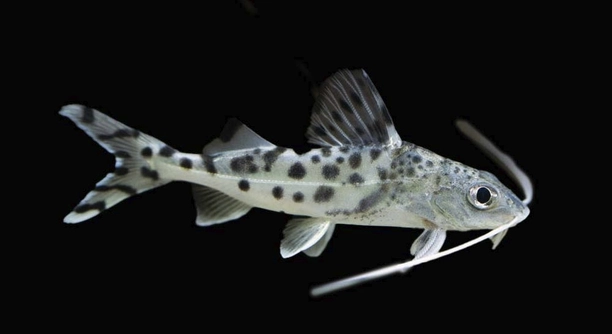
Do you enjoy keeping Pictus Catfish in your aquarium and wonder how they interact with other fish? These lively fish bring energy to any tank and often seem aware of their surroundings. Understanding their behavior can deepen your appreciation.
Pictus Catfish do recognize their tankmates to some extent. They show social awareness by responding differently to familiar and unfamiliar fish, using sight and smell to identify them. This recognition helps them navigate group dynamics and avoid conflicts.
Knowing how Pictus Catfish relate to other fish can improve how you set up your aquarium and care for them over time. This insight adds to creating a peaceful and healthy environment for your aquatic friends.
How Pictus Catfish See Their Tankmates
Pictus Catfish rely mainly on their vision and sense of smell to recognize other fish in the tank. Their large eyes help them spot movement and shapes, which is important in their somewhat dim natural habitats. They also use chemical signals in the water to identify familiar fish. This combination allows them to distinguish between tankmates they have spent time with and new arrivals. When they recognize other fish, they often behave more calmly and avoid aggressive encounters. However, if a fish is unfamiliar or acts aggressively, Pictus Catfish may become more cautious or hide. They are social but prefer a peaceful environment. Because of this, they usually do better in groups where they can learn and remember who belongs in their space. This recognition also helps them form loose social groups, which can reduce stress and encourage natural behavior.
Pictus Catfish are less likely to show stress when their tankmates are familiar, creating a healthier aquarium environment overall.
Recognition of tankmates plays an important role in how Pictus Catfish interact daily. By knowing their companions, they can avoid unnecessary conflicts. This awareness also influences their feeding and swimming patterns. For example, they may swim together or follow the same areas of the tank when they feel comfortable. On the other hand, new or aggressive fish can cause stress or hiding behavior. This makes slow introductions important when adding new fish to the tank. Tank owners can help Pictus Catfish adjust by maintaining stable water conditions and providing plenty of hiding spots. Understanding how these catfish identify others supports better care and encourages natural social behavior in the aquarium.
Social Behavior and Tank Dynamics
Pictus Catfish often form loose groups and interact peacefully when housed with compatible species.
Their social nature means they benefit from being kept in small groups of their own kind. These catfish use subtle signals like body movements and swimming patterns to communicate. When they recognize tankmates, they share space without much conflict, often swimming in similar areas or resting close to each other. This familiarity creates a sense of security, reducing stress and promoting natural activity. However, they can be shy and may avoid overly aggressive or fast-moving fish. Introducing new fish gradually is essential to help Pictus Catfish adjust. Providing enough space and hiding spots allows each fish to have its own territory, which minimizes conflicts. Overall, recognizing tankmates helps Pictus Catfish live more comfortably and behave in ways closer to their natural instincts, making your aquarium a calmer, more balanced environment.
Tankmate Compatibility with Pictus Catfish
Pictus Catfish do best with peaceful, non-aggressive tankmates. Fast or aggressive fish can stress them out and disrupt the tank’s harmony.
Choosing the right companions means looking for fish that share similar water preferences and temperaments. Small tetras, rasboras, and Corydoras catfish often make good tankmates. These fish tend to be calm and occupy different tank levels, reducing competition. Avoid keeping Pictus Catfish with large aggressive species or overly territorial fish. This can cause constant stress and harm. Providing plenty of hiding spaces and plants also helps create a comfortable environment where all fish can coexist peacefully.
Pictus Catfish appreciate tankmates that don’t chase or bully them. Compatible fish allow them to display their natural behavior and swim freely.
Signs Pictus Catfish Recognize Tankmates
Pictus Catfish show recognition by swimming closer to familiar fish and following their movements. They appear more relaxed in the presence of known companions.
When they recognize tankmates, their body language changes—they swim calmly and explore the tank without hiding. In contrast, unfamiliar fish may cause them to freeze, dart away, or hide behind decorations. These catfish also tend to group with familiar fish during feeding times, which helps reduce competition and stress. Over time, they may even react differently to individual fish based on past interactions, indicating a memory of their tankmates. Observing these behaviors can help tank owners understand social dynamics and improve the fish’s overall well-being.
Factors Affecting Recognition
Lighting and tank size impact how well Pictus Catfish recognize their tankmates. Clear water and moderate lighting improve visibility, helping them identify others more easily.
Overcrowding can cause stress and confusion, reducing their ability to distinguish familiar fish. Adequate space allows natural behavior and better recognition.
How Tank Setup Helps Recognition
A well-planned tank with hiding spots and open swimming areas supports Pictus Catfish’s social skills. Decorations and plants provide security and allow fish to feel safe while interacting. Proper setup reduces stress and encourages natural recognition behaviors, improving overall tank harmony.
Feeding Behavior and Tankmates
Pictus Catfish often follow familiar tankmates during feeding times, showing recognition and social cooperation. This behavior helps reduce competition and ensures everyone gets their share.
Do Pictus Catfish form strong bonds with their tankmates?
Pictus Catfish do not form strong or permanent bonds like some other fish species, but they do show social recognition. They learn to recognize familiar tankmates over time and adjust their behavior accordingly. This recognition helps reduce stress and conflict within the tank. While they don’t create tight bonds, they do appreciate a stable group of compatible fish. Sudden changes in tankmates can cause them to become shy or stressed. So, consistent companionship and a calm environment are key for their well-being.
How can I tell if my Pictus Catfish recognize other fish?
You can observe their body language and swimming patterns. When Pictus Catfish recognize other fish, they often swim calmly near them, share space peacefully, and sometimes follow them during feeding. They may avoid hiding and explore the tank more openly. On the other hand, if they don’t recognize certain tankmates, they may freeze, dart away, or stay hidden. Watching these reactions over time gives clues about their level of recognition and comfort with the other fish.
Will Pictus Catfish get stressed with new tankmates?
Yes, Pictus Catfish can become stressed when new fish are introduced suddenly. They rely on familiar chemical and visual cues to feel safe. New or aggressive fish can disrupt their sense of security and cause hiding or erratic swimming. To minimize stress, introduce new tankmates slowly and in a controlled way. Using a quarantine tank first or a tank divider helps Pictus Catfish adjust gradually. Maintaining stable water conditions and providing plenty of hiding spots also eases the transition.
Can Pictus Catfish live well alone?
Pictus Catfish are social to some degree and tend to do better with companions. Living alone can cause boredom or stress, as they naturally swim in groups in the wild. However, they do not require very large groups to feel comfortable. Keeping at least three Pictus Catfish together helps them display natural behavior and feel more secure. If space or tankmates are limited, a single Pictus Catfish can survive but may be less active and more timid.
Do Pictus Catfish recognize humans?
While Pictus Catfish don’t form strong bonds with humans, they can recognize their owners over time, especially during feeding. They may swim closer or become more active when they see familiar hands or feeding tools. This recognition is mostly based on routine and movement rather than affection. Regular feeding and gentle interaction help build this recognition, making care easier and more rewarding.
What role does tank size play in recognition?
Tank size influences how well Pictus Catfish recognize and interact with their tankmates. Smaller tanks limit space and can increase stress, making it harder for fish to establish social boundaries. Larger tanks provide more room for hiding and exploring, reducing tension and allowing better recognition. Adequate space helps fish feel secure and encourages natural social behavior, which supports their ability to distinguish familiar companions.
How important is water quality for social behavior?
Water quality is crucial for Pictus Catfish’s social behavior and recognition. Poor water conditions cause stress, which can affect their ability to interact with other fish. Stress makes them more likely to hide, avoid others, or act aggressively. Maintaining clean water with proper filtration and regular changes keeps fish healthy and calm. Healthy fish are more likely to recognize and accept their tankmates, leading to a peaceful and balanced tank environment.
Can Pictus Catfish recognize fish of different species?
Pictus Catfish primarily recognize tankmates by appearance and scent rather than species. They may become familiar with different species they live with regularly, showing less fear or aggression toward them. However, recognition is strongest with species they share similar behavior and size with. Aggressive or very different fish may not be recognized as tankmates and could cause stress. Selecting compatible species improves recognition and harmony in the tank.
What should I do if my Pictus Catfish seems stressed by tankmates?
If your Pictus Catfish appears stressed, observe for signs like hiding, erratic swimming, or loss of appetite. Check for aggressive tankmates or overcrowding. Providing more hiding spaces and rearranging decorations can help reduce stress. If aggressive fish are the issue, consider separating or rehoming them. Gradual introductions and maintaining good water quality are also important. Creating a calm environment helps Pictus Catfish feel secure and improves social interaction.
How long does it take for Pictus Catfish to recognize new tankmates?
The recognition period varies but typically takes several days to a few weeks. Pictus Catfish learn through repeated visual and chemical exposure. During this time, they may be cautious or hide more often. Consistent, peaceful interactions and a stable environment speed up the process. Patience is key, as rushing introductions can increase stress and reduce the chance of successful recognition. Monitoring behavior closely helps you know when they feel comfortable with new tankmates.
Pictus Catfish are interesting fish that can recognize their tankmates to a certain degree. They use their eyes and sense of smell to tell which fish they know and which are new. This ability helps them feel safer and reduces stress in the aquarium. When they recognize other fish, they tend to swim calmly and avoid conflicts. This makes it easier to keep them happy and healthy in a home tank. It also means that paying attention to who you keep with your Pictus Catfish matters a lot for their comfort.
Creating a good environment for Pictus Catfish involves more than just adding the right tankmates. The size of the tank, the quality of the water, and the amount of hiding places all affect how well these fish can interact with others. A bigger tank gives them space to explore and find safe spots, which makes them less stressed. Clean water keeps them healthy and able to behave naturally. Plants, rocks, and decorations offer shelter where they can hide if they feel threatened. All these factors support their ability to recognize and get used to their companions over time.
While Pictus Catfish do not form strong bonds like some other animals, they do show signs of familiarity and social awareness. This helps them live peacefully with others in the tank and display natural behavior. Introducing new fish slowly and carefully will give Pictus Catfish time to adjust and reduce stress. Watching their behavior can help you know when they feel comfortable or if there are problems in the tank. By understanding these simple things, you can create a calm and balanced home for your Pictus Catfish and their tankmates.

Hello,
If you enjoy the content that we create, please consider saying a "Thank You!" by leaving a tip.
Every little bit helps us continue crafting quality advice that supports the health, happiness, and well-being of pets around the world, for pets of all shapes, sizes, and species.
We really appreciate the kindness and support that you show us!