
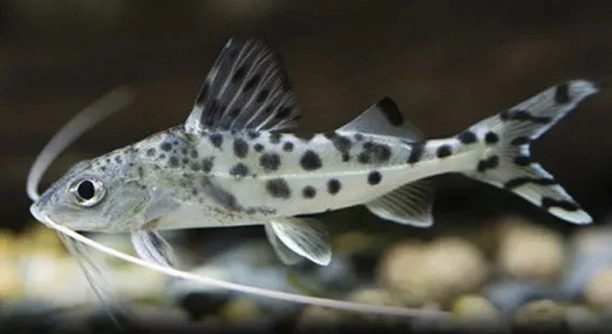
Many people enjoy keeping Pictus catfish in their aquariums for their lively nature. However, sometimes these fish seem uncomfortable or stressed in their tanks. Knowing what to do when your Pictus catfish hates its environment can improve its well-being.
If your Pictus catfish shows signs of stress or dislike for its tank, adjusting water conditions, providing hiding spots, and ensuring proper tank size are essential steps. Maintaining clean water and compatible tank mates also contributes to its comfort and health.
Understanding these simple changes can make a big difference in your catfish’s happiness and help you create a better home for it.
Signs Your Pictus Catfish Is Unhappy
When a Pictus catfish is unhappy, it often hides more than usual or stays still at the bottom of the tank. It may also stop eating or swim erratically. These behaviors usually mean the fish feels stressed or uncomfortable. Stress can come from poor water quality, inappropriate tank mates, or a tank that is too small. Watching your fish carefully can help you spot these signs early. If you notice your catfish acting differently, it’s time to check the tank conditions. Stress can weaken its immune system, making it more vulnerable to disease. Keeping an eye on its behavior is important for its health.
Most Pictus catfish prefer calm environments with places to hide and explore.
Providing a peaceful space with proper water parameters can help your catfish feel more secure. Make sure the tank is spacious enough, and keep the water clean to encourage natural behavior and reduce stress.
Adjusting Tank Conditions for Comfort
Pictus catfish thrive in clean water with stable temperatures around 72-78°F (22-26°C). Testing water regularly for ammonia, nitrite, and nitrate levels is important. High toxins can make your fish sick and unhappy. Adding decorations like caves or plants offers hiding spots, which Pictus catfish enjoy for security. Avoid bright lights, as these fish prefer dimmer conditions. If tank mates are aggressive or too active, they can cause stress. Choose peaceful companions that won’t bother your catfish. Also, ensure the tank size is at least 30 gallons to give enough swimming space. Regular water changes and proper filtration keep the environment healthy. Small changes in the tank setup can greatly improve your catfish’s comfort and overall well-being. Monitoring the fish’s reaction will help you find the best setup for a happy Pictus catfish.
Feeding Habits and Diet Adjustments
Pictus catfish need a balanced diet to stay healthy and happy. Feeding them the right food can reduce stress and improve their overall behavior.
Offering a mix of sinking pellets, frozen or live foods like bloodworms and brine shrimp helps meet their nutritional needs. Avoid overfeeding, as leftover food can pollute the tank and cause water quality issues. Feeding small amounts once or twice a day is ideal. Watching how your catfish responds to different foods can help you choose what they prefer and what keeps them active. A good diet supports their immune system and reduces stress, helping them feel comfortable in the tank environment.
If your Pictus catfish is refusing food, try varying its diet or feeding at different times. Sometimes, stress or illness affects appetite, so keeping water clean and stable also encourages normal eating habits.
Creating a Stress-Free Environment
Providing hiding spots like caves or plants lets your Pictus catfish feel safe and reduces stress. These fish like places to retreat when they feel threatened or overwhelmed.
Maintaining stable water parameters and avoiding sudden changes helps prevent stress. Regular water testing and gentle water changes keep conditions consistent. Noise and vibrations outside the tank can disturb your fish, so placing the aquarium in a quiet spot is beneficial. Avoid overcrowding by keeping the right number of fish in the tank. Peaceful tank mates reduce conflict, and dim lighting creates a calm atmosphere. These adjustments make a big difference in helping your Pictus catfish settle and thrive.
Tank Size and Space Needs
Pictus catfish need enough room to swim actively. A small tank can cause stress and unhealthy behavior.
A tank of at least 30 gallons is recommended. More space helps reduce territorial disputes and encourages natural movement.
Compatible Tank Mates
Choosing peaceful tank mates is crucial. Aggressive or fast swimmers can stress your catfish.
Good companions include tetras, rasboras, and other non-aggressive fish. Avoid larger or aggressive species that may bully or compete with your Pictus catfish.
Water Quality Maintenance
Regular water changes and filtration are essential. Clean water keeps your catfish healthy and stress-free.
Monitoring Behavior Changes
Watching your catfish closely helps catch problems early. Sudden changes can indicate stress or illness.
FAQ
Why does my Pictus catfish hide all the time?
Hiding is normal for Pictus catfish, especially during the day. They are naturally nocturnal and prefer to rest in shaded or covered areas. However, if your catfish hides constantly and avoids food, it may be stressed or uncomfortable. Check the water quality, tank size, and tank mates. Poor conditions or bullying can cause excessive hiding. Providing caves, plants, or decorations can give your fish safe spots to retreat without making it feel trapped.
How often should I feed my Pictus catfish?
Feed your Pictus catfish once or twice a day with small portions they can eat in a few minutes. Overfeeding leads to leftover food, which pollutes the water and harms your fish. Offer a balanced diet with sinking pellets and occasional live or frozen foods like bloodworms or brine shrimp. Observe your fish’s appetite and adjust feeding if it refuses food or seems hungry between meals.
Can Pictus catfish live with other fish?
Yes, Pictus catfish can live peacefully with other non-aggressive fish. Good tank mates include tetras, rasboras, and small peaceful species. Avoid large or aggressive fish that may stress or attack your catfish. Also, avoid slow-moving bottom dwellers competing for food. Properly sized tanks and enough hiding places help reduce conflicts and keep all fish comfortable.
What tank size is best for a Pictus catfish?
A minimum tank size of 30 gallons is recommended for a single Pictus catfish. These fish are active swimmers and need space to move around. If you plan to keep more than one, increase the tank size accordingly. Crowded tanks cause stress, poor water quality, and territorial disputes, leading to health problems and unhappy fish.
Why is my Pictus catfish scratching against decorations?
Scratching or rubbing against objects, called “flashing,” can be a sign of skin irritation or parasites. It may also happen if water quality is poor. Test your water parameters and perform a partial water change if needed. If irritation continues, consider consulting a vet or experienced aquarist to check for parasites or infections.
How do I know if my Pictus catfish is stressed?
Signs of stress include hiding excessively, loss of appetite, erratic swimming, or clamped fins. Stress weakens their immune system, making them more vulnerable to illness. Stress can result from poor water conditions, aggressive tank mates, or lack of hiding places. Maintaining clean water, a peaceful environment, and proper diet helps reduce stress and keeps your catfish healthy.
How often should I change the water in my Pictus catfish tank?
Perform a 20-30% water change every one to two weeks, depending on tank size and stocking levels. Regular water changes remove waste and toxins that build up over time. Use a water conditioner to treat tap water before adding it to the tank. Frequent testing of water parameters helps maintain a healthy environment for your catfish.
What temperature is ideal for Pictus catfish?
Pictus catfish prefer water temperatures between 72°F and 78°F (22°C to 26°C). Keeping the temperature stable is important because sudden changes can stress them. Use an aquarium heater and thermometer to maintain the correct temperature range, especially in cooler climates.
Do Pictus catfish need special lighting?
Pictus catfish prefer dim lighting or shaded areas because they are more active at night. Bright lights can cause stress and hiding. Using floating plants or decorations can soften the light. Adjust the aquarium lighting schedule to mimic natural day and night cycles, usually about 8-10 hours of light daily.
Can poor water quality cause my Pictus catfish to hate its tank?
Yes, poor water quality is a common cause of stress in Pictus catfish. High levels of ammonia, nitrites, or nitrates can harm them and make them uncomfortable. Regular testing and cleaning help prevent water problems. Using a reliable filter and performing timely water changes are key to maintaining a healthy tank environment.
What should I do if my Pictus catfish stops eating?
Loss of appetite can indicate stress, illness, or poor water quality. Start by checking water parameters and tank conditions. Offer a variety of foods to encourage eating. If the fish continues to refuse food for several days, look for signs of disease or injury. Consulting a veterinarian or fish expert may be necessary to diagnose and treat health issues.
Are Pictus catfish good for beginners?
Pictus catfish can be good for beginners who have some experience maintaining stable water conditions. They require a larger tank, clean water, and peaceful tank mates. Their active nature and nocturnal habits make them interesting pets, but they need attention to diet and environment to thrive. Proper care helps prevent stress and health problems.
How can I reduce aggression in a tank with Pictus catfish?
Avoid aggressive or territorial fish in the same tank. Provide plenty of hiding spots and space to reduce stress. Keeping the tank well-maintained and avoiding overcrowding helps minimize aggression. If aggression persists, consider separating aggressive fish or rearranging the tank layout to break territorial boundaries.
When caring for a Pictus catfish, creating a comfortable tank environment is very important. These fish are active and curious but can become stressed if their needs are not met. Making sure the tank is the right size, water quality is good, and there are enough hiding spots will help your catfish feel secure. Stress can affect their behavior and health, so it is important to watch for signs like hiding too much or refusing food. Adjusting tank conditions early can prevent bigger problems and keep your fish happy.
Feeding your Pictus catfish a balanced diet is another key part of their care. They enjoy a mix of sinking pellets and live or frozen foods, which provide good nutrition. Overfeeding can cause water problems, so it’s best to give small amounts once or twice a day. Watching your fish’s eating habits helps you know if they are healthy or stressed. If the catfish refuses food, it may be a sign to check water conditions or tank mates. Keeping food fresh and offering variety also encourages good appetite and wellbeing.
Lastly, maintaining a peaceful environment helps reduce stress for Pictus catfish. Choosing calm tank mates and avoiding overcrowding makes a big difference. Stable water temperature and clean water are also essential. Regular water testing and changes keep the tank safe and comfortable for your fish. Providing places to hide, like caves or plants, allows your catfish to rest when needed. With proper care and attention, your Pictus catfish can live a healthy and active life, making your aquarium a more enjoyable space.

Hello,
If you enjoy the content that we create, please consider saying a "Thank You!" by leaving a tip.
Every little bit helps us continue crafting quality advice that supports the health, happiness, and well-being of pets around the world, for pets of all shapes, sizes, and species.
We really appreciate the kindness and support that you show us!