
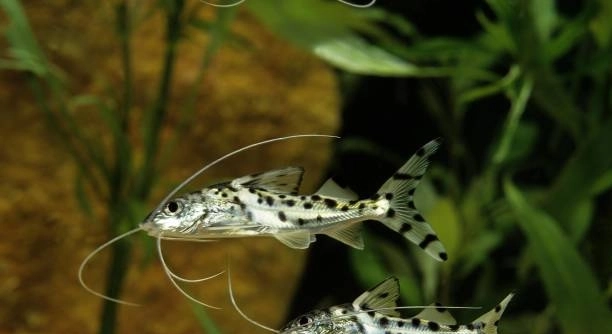
Are you interested in how Pictus catfish behave in home aquariums? These lively fish often capture attention with their active swimming and shimmering spots. Understanding their nature helps hobbyists create a better environment for them.
Pictus catfish exhibit a balance of curiosity and caution. They explore new surroundings carefully while remaining alert to potential threats. Their behavior reflects a natural instinct to stay safe yet investigate changes in their habitat.
Learning about these traits can improve how you care for your Pictus catfish. Knowing when they are cautious or curious helps you better respond to their needs and keep them comfortable in your tank.
How Pictus Catfish Show Curiosity and Caution
Pictus catfish often swim around their tanks with quick, deliberate movements. They watch new objects carefully before getting close. When something changes in the tank, they may hover at a distance at first. This behavior shows caution—they want to avoid danger. But after some time, they tend to explore, touching or sniffing new plants, decorations, or tank mates. This mix of curiosity and caution helps them stay safe while learning about their environment. Watching these small actions can be rewarding because it shows how they adapt. Sometimes they will dart away suddenly if startled, but soon after, they return to explore again. This balance is natural and helps them survive both in the wild and in captivity.
Pictus catfish use their whiskers to investigate the tank. These help them sense objects and movements around them.
Understanding their cautious curiosity can guide you in setting up a tank that feels safe and interesting to them. Avoid sudden changes and provide plenty of hiding spots to help them feel secure. Gradual introductions of new items or fish will encourage them to explore without stress. Their cautious nature means they don’t like loud noises or sudden movements nearby. Providing a calm environment helps them show more curiosity over time. The way they balance caution and curiosity makes them engaging to watch and care for, as they reveal small details of their behavior with patience.
Responding to New Tank Conditions
When you introduce Pictus catfish to a new tank, expect them to be cautious at first. They might hide more and avoid open spaces.
Gradually, as they feel more comfortable, their natural curiosity will show. They will begin exploring and interacting with their surroundings more actively. The initial cautiousness is a sign of their survival instincts kicking in. Giving them a stable, calm environment will help reduce stress. It’s important to keep the tank conditions consistent during this period. Changes in water temperature, lighting, or decorations should be made slowly. Over time, your Pictus catfish will adapt and become more confident, revealing their curious side clearly. This adjustment period is key to their well-being and overall happiness in your care.
Interaction with Tank Mates
Pictus catfish generally get along well with other peaceful fish. Their cautious nature means they avoid conflict but remain aware of their surroundings.
In a community tank, Pictus catfish watch other fish closely before approaching. They prefer tank mates that do not bother them or compete aggressively for food. If other fish are too aggressive or territorial, Pictus catfish may hide more often, showing their cautious side. However, when tank mates are calm and predictable, these catfish become more confident and curious, swimming freely and exploring the tank. This balance helps maintain peace and reduces stress for all fish involved.
Their social behavior reflects their natural environment, where staying alert helps avoid predators. Even in a home tank, their cautiousness keeps them safe. Observing how they interact reveals their personality—sometimes shy, sometimes brave enough to investigate new companions. This makes them an interesting addition to any peaceful aquarium setup.
Encouraging Natural Behavior
Providing hiding spots is essential for Pictus catfish to feel secure. They need places to retreat when they feel threatened or cautious.
Adding caves, plants, and driftwood mimics their natural habitat and encourages exploration. When they feel safe, they show more curiosity and active swimming. Keeping lighting gentle and avoiding sudden noises also helps reduce stress. A stable environment encourages Pictus catfish to display their true nature—balancing caution with curiosity. Watching them explore around hiding spots can be very rewarding, showing their unique and gentle personalities in action.
Feeding Behavior
Pictus catfish are mostly nocturnal feeders, becoming more active during low light. They use their whiskers to find food on the tank bottom.
They tend to be cautious during feeding, waiting for other fish to finish before approaching. This helps them avoid conflict and find leftover food safely.
Signs of Stress in Pictus Catfish
When stressed, Pictus catfish may hide excessively or stop eating. Rapid breathing or erratic swimming can also indicate discomfort. Stress often results from poor water quality, sudden changes, or aggressive tank mates.
How to Reduce Stress
Maintaining clean water and a stable environment is key. Avoid sudden noises and keep tank mates peaceful to help Pictus catfish feel secure.
Tank Setup Tips
Provide plenty of hiding places and soft substrates to mimic their natural habitat and encourage natural behavior.
FAQ
Are Pictus catfish safe to keep with other fish?
Yes, Pictus catfish are generally peaceful and do well with other non-aggressive fish. Their cautious nature helps them avoid conflict. However, they may hide more if tank mates are too bold or territorial. It’s best to pair them with calm species that won’t compete aggressively for food.
How much space do Pictus catfish need?
Pictus catfish are active swimmers and need enough space to move freely. A tank of at least 30 gallons is recommended for a small group. More space helps reduce stress and allows them to show natural behaviors like exploring and socializing.
What is the best diet for Pictus catfish?
They are omnivores and prefer a varied diet. Sinking pellets, live or frozen foods like bloodworms and brine shrimp, and vegetable matter keep them healthy. Feeding in the evening or at night suits their natural feeding habits best.
Do Pictus catfish like bright light?
No, they prefer dim or moderate lighting. Bright light can make them shy and cause them to hide. Providing shaded areas and plants helps them feel more comfortable and encourages natural activity.
How can I tell if my Pictus catfish is stressed?
Signs of stress include excessive hiding, loss of appetite, rapid breathing, and erratic swimming. Stress usually comes from poor water quality, aggressive tank mates, or sudden environmental changes. Keeping the tank stable and clean reduces these issues.
How often should I feed Pictus catfish?
Feeding once or twice a day is enough. Avoid overfeeding, as leftover food can pollute the tank. Observe their behavior to adjust portions, ensuring they eat all the food within a few minutes.
Can Pictus catfish live alone?
They can survive alone but are social fish and thrive better in groups of at least three. Being in groups allows them to display more natural and confident behaviors, reducing stress and encouraging interaction.
What water parameters do Pictus catfish need?
They prefer slightly acidic to neutral pH (6.5-7.5) and temperatures between 72°F and 79°F (22°C-26°C). Stable water conditions are important for their health and to reduce stress.
Why do Pictus catfish sometimes dart suddenly?
This sudden movement is a natural response to perceived threats. Their cautious nature makes them quick to escape when startled. Ensuring a calm environment minimizes these sudden bursts of speed.
How long do Pictus catfish live?
With proper care, they can live up to 8-10 years. Good water quality, proper diet, and a stress-free environment contribute to their longevity.
Do Pictus catfish need hiding spots?
Yes, hiding places like caves, plants, and driftwood help them feel secure. These spots allow them to rest and reduce stress, encouraging more confident exploration when they feel safe.
Is it normal for Pictus catfish to be shy at first?
Absolutely. They tend to be cautious in new environments and need time to adjust. Providing a stable tank and gentle conditions helps them gain confidence and show their curious nature.
How can I encourage my Pictus catfish to be more active?
Maintaining proper tank conditions, providing hiding spots, and feeding at dusk or night encourage activity. Minimizing sudden changes or loud noises also helps them feel comfortable enough to explore.
Are Pictus catfish good for beginners?
They can be, but their active and somewhat cautious nature means beginners should be prepared to maintain stable water conditions and a peaceful tank environment. Learning about their behavior helps ensure success in care.
What should I do if my Pictus catfish stops eating?
Check water quality first, as poor conditions often cause appetite loss. Also, look for stress factors like aggressive tank mates or sudden changes. If conditions are good and the fish still refuses food, consulting a vet or experienced aquarist may be necessary.
Do Pictus catfish produce a lot of waste?
Like most catfish, they produce moderate waste. Regular tank cleaning and good filtration are important to keep water quality high and prevent stress or illness.
Can Pictus catfish jump out of the tank?
Yes, they are known to jump, especially if stressed or startled. A secure lid on the aquarium helps prevent escapes and keeps them safe.
How do Pictus catfish communicate?
They mainly communicate through body language and movement. Their cautious swimming and whisker movements help them sense their surroundings and interact with tank mates.
Is it necessary to dim the tank lights at night?
Yes, dim lighting or turning off the lights at night suits their nocturnal feeding habits. It encourages natural behavior and reduces stress.
What kind of substrate do Pictus catfish prefer?
Soft sandy or fine gravel substrates are best. They use their whiskers to explore the bottom and can be harmed by sharp or rough substrates. A smooth substrate supports their natural foraging behavior.
Pictus catfish are interesting fish that balance being curious and cautious. Their behavior shows that they want to explore their environment but also stay safe. This careful approach helps them avoid danger while still learning about what’s around them. Watching how they react to new things can tell you a lot about how they feel. When they are shy or hiding, it means they are cautious and possibly stressed. When they swim confidently and explore, it shows they feel safe and curious. Understanding this helps in giving them the right care and environment.
Creating a good home for Pictus catfish means paying attention to their needs. They need enough space to swim and places to hide when they feel nervous. Soft substrates, plants, caves, and driftwood all help them feel comfortable. A calm environment with gentle lighting and quiet surroundings encourages them to show their natural behavior. It is also important to keep the water clean and stable. Changes in water conditions or adding new tank mates suddenly can make them stressed and more cautious than usual. Feeding them at the right times and giving a balanced diet keeps them healthy and active. When all these factors come together, Pictus catfish can live happily and reveal their curious side.
Remember that every Pictus catfish has its own personality. Some may be more shy, while others are bolder. Patience is key when caring for them, especially at the beginning. It takes time for them to feel secure in a new tank. Observing their behavior daily helps you know when they are stressed or comfortable. By learning their signs and needs, you can make their life better and enjoy watching their unique mix of caution and curiosity. This balance is part of what makes Pictus catfish a rewarding species to keep.

Hello,
If you enjoy the content that we create, please consider saying a "Thank You!" by leaving a tip.
Every little bit helps us continue crafting quality advice that supports the health, happiness, and well-being of pets around the world, for pets of all shapes, sizes, and species.
We really appreciate the kindness and support that you show us!