
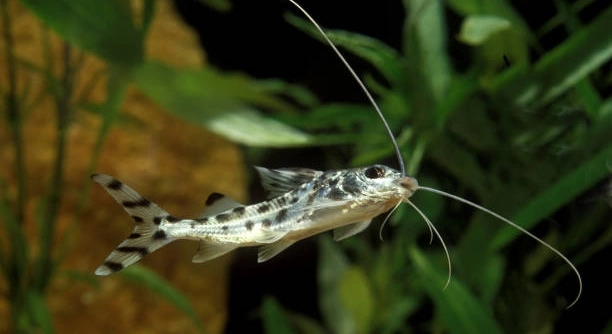
Are your pictus catfish showing signs of good health through their colors? Many fishkeepers pay attention to color patterns to understand their fish’s well-being. Knowing what colors indicate a thriving pictus helps in providing the best care.
Pictus catfish display seven distinct color patterns when healthy, including vibrant spots, clear stripes, and bright fins. These patterns reflect proper nutrition, clean water, and low stress, all of which are crucial for their overall health and longevity.
Recognizing these color patterns can guide you in maintaining a healthy environment for your pictus and improving their quality of life.
Vibrant Spots and Their Meaning
Vibrant spots on your pictus catfish are one of the clearest signs that the fish is thriving. These spots usually appear bright white or silver and contrast sharply against the darker body. When your pictus shows vivid, well-defined spots, it means they are getting enough nutrients and the water quality is good. Poor water conditions often cause these spots to fade or become dull. Additionally, the spots can help the fish blend in with its surroundings, which reduces stress. Stress-free fish tend to have better immune systems and overall health. Watching the clarity and brightness of these spots can give you quick insight into your pictus’ condition without invasive checks. Healthy spots also suggest your fish tank environment is stable and the temperature is within the right range, usually around 75-82°F.
These bright spots serve as a natural indicator of your pictus catfish’s well-being and general happiness.
Maintaining a consistent routine of water changes, feeding balanced food, and monitoring temperature will help keep these spots vivid. Remember, sudden changes in the environment can cause the spots to fade, signaling that something might be off. Regular observation of these patterns allows for early action to keep your fish healthy. If the spots begin to dull or disappear, check water parameters immediately and adjust feeding habits. Clean water and proper diet are essential to preserve these vibrant markings, which also contribute to the beauty and uniqueness of your pictus.
Clear Stripes and Fish Health
Clear stripes running along the pictus are another sign of good health. These stripes show that the fish is well-hydrated and comfortable in its environment.
Clear stripes indicate a healthy balance in your pictus catfish’s life, reflecting proper care and low stress levels. When stripes become faint or blurry, it usually points to issues such as poor water quality or illness. Maintaining clean water and a stress-free tank environment helps these stripes stay sharp. Also, avoid overcrowding the tank to reduce stress, which can dull these stripes. Balanced nutrition supports stripe clarity by keeping the fish’s skin healthy. Overall, the stripes act as a simple, visible way to monitor your fish’s wellness daily. Paying close attention to the stripes helps in catching health problems early, ensuring your pictus stays vibrant and lively for longer periods.
Bright Fins and Their Importance
Bright fins show your pictus catfish is active and healthy. Dull or torn fins often point to stress or poor water quality. Bright, intact fins indicate good care and a safe environment.
Keeping the water clean and providing a balanced diet help maintain the brightness of your pictus’s fins. Healthy fins mean the fish swims well and avoids infections. Sometimes, aggression from tank mates can damage fins, so it’s important to watch how your fish interact. Stress and illness weaken the fins, making them appear frayed or faded. Regular water testing and proper filtration support fin health, preventing diseases that target damaged tissue. By maintaining a calm and clean tank, you encourage your pictus to keep its fins vibrant and strong.
Bright fins also reflect your fish’s comfort level. When your pictus feels secure, it uses its fins naturally and fully. This movement helps circulation and oxygen flow, both important for overall vitality. A well-kept tank with low stress will show in the fin condition. Ensuring the right tank mates and avoiding overcrowding also plays a key role in protecting the fins from injury and stress. Healthy fins are not just about looks; they are crucial for your pictus’s daily activity and happiness.
Clear Eyes Indicate Good Health
Clear eyes are a sign that your pictus catfish is in good health. Cloudy or sunken eyes usually suggest illness or poor water conditions.
Healthy eyes show your fish’s ability to see well and react to its environment. Problems like infections or parasites can cause eye cloudiness, so keeping the tank clean is important. A balanced diet with essential vitamins supports eye health. Observing your pictus’s eyes regularly helps catch health issues early before they worsen. Changes in eye clarity may also indicate stress or injury, so it’s vital to monitor their condition. Good lighting in the tank allows you to see eye details clearly. Keeping the tank free of harmful chemicals and pollutants also protects the eyes. Clean water and a stable environment support clear eyes, ensuring your pictus stays alert and comfortable.
Even Body Coloration
Even body coloration shows that your pictus catfish is healthy and stress-free. Uneven or patchy colors often signal illness or poor water conditions.
A consistent color across the body means the fish’s skin is in good condition. Changes in color should be watched closely as they can indicate problems early on.
Smooth Scale Texture
Smooth scales mean your pictus catfish is free from infections and parasites. Rough or damaged scales often show signs of illness or injury.
Bright Tail Movement
Bright, active tail movement shows your pictus is energetic and comfortable in its environment. Lethargic or slow movement may signal stress or poor health.
FAQ
How can I tell if my pictus catfish is stressed?
Stress in pictus catfish often shows through faded colors, especially dull spots and stripes. You might notice clamped fins, slower swimming, or hiding more than usual. Changes in appetite or unusual behavior can also indicate stress. Poor water quality, overcrowding, or aggressive tank mates are common causes.
To reduce stress, keep water parameters stable, avoid sudden changes, and maintain a peaceful tank environment. Regular water changes and a balanced diet will also help. Monitoring your fish closely for changes in color and behavior is key to spotting stress early.
Why do my pictus’ spots sometimes disappear?
When your pictus’s spots fade or disappear, it usually means something is wrong. This can happen due to poor water quality, illness, or stress. Spots are a natural sign of health, so their loss signals your fish is struggling.
Check water parameters immediately and look for signs of disease. Increasing water cleanliness and feeding high-quality food can restore the spots. Avoid overcrowding or sudden temperature changes. Sometimes, molting or growth phases may affect the spots temporarily, but persistent fading should be addressed.
What causes pictus catfish fins to lose their brightness?
Fins lose brightness mainly due to stress, injury, or infections like fin rot. Poor water conditions accelerate damage, while aggressive tank mates can tear fins. Nutritional deficiencies also affect fin health.
Maintain clean water with regular filtration, feed a varied diet, and avoid overcrowding. Quarantine new fish before adding them to your tank to prevent disease. If you notice fin damage, treating with antibacterial medication may be necessary.
Are changes in pictus eye clarity serious?
Cloudy or sunken eyes are signs of health problems in pictus catfish. This can result from infections, parasites, or poor water quality. Eye clarity is important for your fish’s ability to navigate and avoid harm.
If you notice cloudy eyes, test water parameters and improve cleanliness immediately. Treat infections early with proper medications. Avoid sharp objects in the tank that may injure the eyes.
How often should I check my pictus catfish’s color patterns?
Checking color patterns weekly is a good practice. Changes can happen quickly if conditions worsen. Regular observation helps catch issues like stress, disease, or poor nutrition early.
Keep a log of any color or behavior changes to track trends over time. Early detection makes treatment more effective.
Can lighting affect my pictus catfish’s colors?
Yes, lighting can impact how vivid your pictus’s colors appear. Too bright or harsh lighting may stress the fish and dull colors. Low or natural lighting enhances their natural patterns.
Use moderate lighting and provide shaded areas in the tank for comfort. Adjust lighting based on your tank setup and fish behavior.
What role does diet play in maintaining vibrant colors?
Diet is critical for vibrant color patterns. Foods rich in carotenoids and vitamins improve pigmentation and overall health. High-quality pellets, live foods, and occasional treats contribute to brighter spots and stripes.
Avoid overfeeding and provide a balanced diet to prevent nutritional deficiencies that dull colors. Supplements can help if natural food sources lack nutrients.
Can temperature fluctuations affect my pictus’ color patterns?
Yes, sudden temperature changes cause stress, which dulls colors and affects patterns. Pictus catfish prefer stable temperatures between 75-82°F (24-28°C).
Use a reliable heater and thermometer to maintain consistency. Avoid placing the tank near drafts or direct sunlight.
Is it normal for pictus catfish colors to change with age?
Some color changes happen naturally as pictus mature, but major fading is usually a sign of poor health. Juveniles often have less intense patterns, which become clearer with age.
Monitor changes closely and focus on maintaining good care to prevent unwanted fading due to illness or stress.
The color patterns of your pictus catfish are more than just beautiful markings—they are important signs of the fish’s overall health. Bright spots, clear stripes, and vibrant fins all show that your pictus is thriving. When these colors look dull or faded, it usually means something is wrong. Paying attention to these details can help you catch problems early, such as poor water quality, stress, or illness. Regular observation allows you to keep your fish comfortable and healthy by making quick changes when needed.
Taking good care of your pictus means keeping the tank clean, feeding a balanced diet, and maintaining stable water conditions. Consistency is key in avoiding stress, which can lead to color fading and health issues. Avoid overcrowding the tank and choose compatible tank mates to prevent injuries that might harm your fish’s fins or scales. Using a reliable heater and filtering system helps keep the environment stable. These simple steps support the natural beauty of your pictus and help keep its colors vivid.
In the end, understanding what your pictus’s color patterns mean makes caring for them easier and more effective. You can see how well your fish is doing without invasive checks or tests, just by observing their spots, stripes, fins, and eyes. Keeping an eye on these patterns lets you enjoy your pictus catfish while making sure they stay happy and healthy. When your fish shows bright colors, you know you are providing the right care. It is rewarding to see your pictus thrive and express their natural beauty in your tank.

Hello,
If you enjoy the content that we create, please consider saying a "Thank You!" by leaving a tip.
Every little bit helps us continue crafting quality advice that supports the health, happiness, and well-being of pets around the world, for pets of all shapes, sizes, and species.
We really appreciate the kindness and support that you show us!