
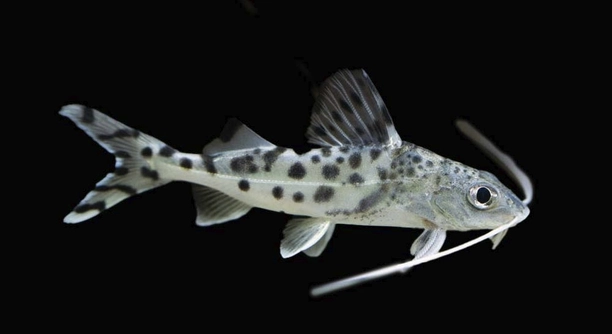
Do you ever wonder how your Pictus Catfish feel about the layout of their tank? These active fish are popular in home aquariums and often swim through plants, rocks, and decorations. Their behavior might be influenced by how their environment is arranged.
Pictus Catfish show a preference for consistent tank layouts because stability helps reduce stress and promotes natural behavior. Frequent changes to their environment can cause anxiety and disrupt their regular swimming patterns and hiding spots.
Understanding why these fish prefer a steady environment can help you create a tank that keeps them calm and healthy over time. This knowledge benefits both beginners and experienced fishkeepers alike.
Why Consistency Matters for Pictus Catfish
Pictus Catfish are naturally shy and like to feel secure in their surroundings. When the tank layout stays the same, they learn where to find shelter and safe spots. This helps them relax and explore confidently. Sudden changes, like moving decorations or plants, can confuse them. They may hide more or swim less when their environment feels unfamiliar. Since these fish rely on visual cues to navigate, a stable setup supports their natural behavior. Keeping their home predictable can also reduce stress-related health problems. Over time, this consistency builds trust in the tank environment, allowing the catfish to show more natural activity. For anyone caring for Pictus Catfish, maintaining a steady layout is one of the easiest ways to support their well-being.
Fish appreciate routine in their space, and Pictus Catfish are no exception. Predictability keeps them calm.
Setting up your tank with this in mind can create a peaceful and balanced home that your catfish will enjoy living in for years.
How Tank Changes Affect Pictus Catfish
Frequent rearranging can upset Pictus Catfish. They depend on familiar surroundings to feel safe.
When decorations or plants are moved too often, the catfish can become stressed and hide more than usual. This may lead to less activity and poor eating habits. Stress from a constantly changing environment affects their immune system, making them more vulnerable to illness. They thrive best when their tank environment stays stable for long periods. Small adjustments should be made gradually and with care. Observing their behavior after any change helps you understand their comfort level. Respecting their need for consistency improves their health and happiness, making them more enjoyable to keep. By planning the tank layout thoughtfully and avoiding unnecessary moves, you create a better space for these sensitive fish.
Ideal Tank Setup for Pictus Catfish
Pictus Catfish prefer a tank with plenty of hiding places like caves, plants, and driftwood. These provide shelter and reduce stress.
A soft substrate is better since Pictus Catfish have sensitive barbels. Sharp or rough materials can cause injury or discomfort. Adding smooth stones or sand helps keep their barbels healthy. Lighting should be moderate, not too bright, to mimic their natural environment. They tend to be more active in dim light, so creating shaded areas with plants or decorations is helpful.
A tank size of at least 30 gallons is recommended because Pictus Catfish are active swimmers. Good water flow and proper filtration are important to maintain clean water. Regular water changes also keep their environment stable. Balancing all these factors ensures the catfish feel safe and comfortable, supporting their natural behavior and health.
Adjusting the Tank Layout Without Stress
Small changes in the tank can be less stressful if done carefully.
Start by moving just one or two decorations at a time and observe how your catfish react. If they seem nervous or hide more, give them time to adjust before making more changes. Try to keep their main hiding spots intact, as these are important for their sense of security. Changing plants or adding new items gradually over days or weeks helps the fish get used to new surroundings without shock.
Avoid sudden or large rearrangements, especially if your catfish are new or still settling in. Consistent water parameters combined with gentle layout changes will keep your Pictus Catfish calm and active. Patience is key to making sure the fish remain comfortable during any tank update.
Signs Your Pictus Catfish Are Stressed
Stress in Pictus Catfish often shows through changes in behavior. They may hide more or stop eating.
Other signs include erratic swimming, clamped fins, or spending too much time near the surface. Watching these cues helps catch problems early.
Maintaining Stability During Tank Cleanings
Cleaning the tank can be stressful if done all at once. Partial water changes are better for maintaining stable water conditions. Use gentle methods to avoid disturbing the substrate or decorations too much. This keeps the catfish comfortable and reduces stress during maintenance.
Introducing New Tank Items Slowly
New decorations or plants should be added gradually. This helps Pictus Catfish adjust without feeling threatened or stressed.
Taking time between each addition lets the fish explore and get used to the change. It keeps the tank peaceful and enjoyable for them.
FAQ
Do Pictus Catfish need plants in their tank?
Plants are not absolutely necessary, but they greatly improve the environment for Pictus Catfish. Plants provide hiding spots and shaded areas, which help the fish feel safe and less stressed. Live plants can also improve water quality by absorbing nitrates. If you prefer artificial plants, make sure they are soft and won’t injure the fish’s barbels. Adding some plants makes the tank feel more natural and comfortable for your catfish.
How often should I rearrange the tank?
It’s best to keep the tank layout stable for long periods. Frequent rearranging can stress your Pictus Catfish and cause them to hide or act nervous. If you want to change something, do it slowly—move one or two items at a time and wait days or weeks before making more changes. This slow approach helps your fish adjust without anxiety.
What kind of substrate is best for Pictus Catfish?
A soft, smooth substrate like fine sand or smooth gravel works best. Pictus Catfish have sensitive barbels, which they use to search for food. Rough or sharp substrates can cause injuries or infections. Avoid sharp rocks or coarse gravel. A soft bottom also encourages natural foraging behavior, keeping your catfish happy and healthy.
Can Pictus Catfish live with other fish?
Yes, Pictus Catfish are generally peaceful and do well with other non-aggressive species. They prefer tank mates that won’t nip at their fins or compete aggressively for food. Good companions include tetras, rasboras, and peaceful barbs. Avoid large or aggressive fish, which can stress or harm your catfish. Always watch new introductions carefully to make sure everyone gets along.
How much light do Pictus Catfish need?
Moderate to low lighting is ideal. Pictus Catfish come from rivers with shaded areas, so they prefer dimmer light conditions. Too much bright light can stress them and cause hiding. Using floating plants or decorations to create shaded spots helps mimic their natural habitat. Turning off the lights or using a low-wattage bulb at night also supports their natural rhythm.
Why does my Pictus Catfish hide so much?
Hiding is normal behavior, especially if the fish feels stressed or threatened. It may be because of bright lighting, new tank changes, or aggressive tank mates. Providing plenty of hiding places like caves and plants helps the fish feel secure. If hiding lasts a long time without normal activity, check water quality and tank conditions for possible issues.
How big should the tank be for Pictus Catfish?
A minimum of 30 gallons is recommended for a small group of Pictus Catfish. They are active swimmers and need enough space to move around comfortably. A larger tank also helps maintain stable water conditions, which is important for their health. Keeping at least three catfish together is best because they are social and feel safer in groups.
Do Pictus Catfish prefer flowing water?
Yes, they do enjoy moderate water flow that mimics their natural river habitat. Good filtration that creates gentle currents helps keep them active and healthy. However, avoid strong currents that may tire them out. A balanced flow improves oxygen levels and prevents stagnant areas in the tank.
What should I feed my Pictus Catfish?
Pictus Catfish are omnivores and enjoy a varied diet. High-quality sinking pellets or wafers form a good base. Supplement with live or frozen foods like bloodworms, brine shrimp, or daphnia to provide protein and keep them healthy. Occasionally, small amounts of vegetables like blanched zucchini or cucumber can be offered. Feeding once or twice daily in small amounts helps avoid overfeeding and water pollution.
How can I tell if my Pictus Catfish is healthy?
Healthy Pictus Catfish swim actively, eat well, and show clear eyes with bright colors. Their barbels should look clean and free from damage. Avoid fish that have clamped fins, are hiding constantly, or show signs of lethargy. Good water quality and proper tank conditions help keep your catfish strong. Regular observation and care are the best ways to ensure their health over time.
Pictus Catfish do best when their tank environment stays steady and familiar. Keeping the layout consistent helps these fish feel safe and less stressed. They rely on familiar places to hide and explore, so sudden changes can make them nervous or withdrawn. When the tank remains stable, Pictus Catfish show more natural behavior, such as active swimming and foraging. This makes caring for them easier and more rewarding, as you can enjoy watching their true personalities. Creating a peaceful, predictable home is one of the simplest ways to support their well-being.
When setting up a tank for Pictus Catfish, it is important to choose soft substrates and include plenty of hiding spots like plants, caves, or driftwood. These features provide comfort and protect their sensitive barbels. The right lighting also plays a role; dimmer light with shaded areas feels more natural and calming. A tank size of at least 30 gallons allows them space to swim and explore safely. Maintaining clean water with good filtration and regular partial water changes helps keep the environment healthy. All these elements together create a tank that encourages the catfish to thrive.
Making changes to the tank should be done carefully and gradually. Moving decorations or adding new plants too quickly can cause stress and make your catfish hide or stop eating. It is best to introduce changes slowly, one or two items at a time, giving the fish time to adjust. Watching how your catfish behave after any change helps you understand their comfort level. Patience and consistency in care lead to a calm, happy tank where your Pictus Catfish can live long and healthy lives. Taking these steps ensures your fish feel secure and continue to brighten your aquarium.

Hello,
If you enjoy the content that we create, please consider saying a "Thank You!" by leaving a tip.
Every little bit helps us continue crafting quality advice that supports the health, happiness, and well-being of pets around the world, for pets of all shapes, sizes, and species.
We really appreciate the kindness and support that you show us!