
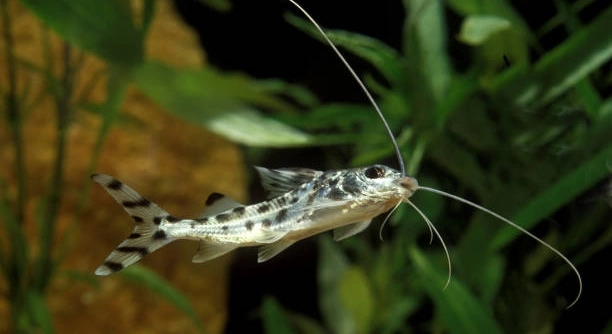
Many aquarium hobbyists enjoy creating natural, lush environments for their fish. Floating plants can add beauty and provide benefits, but it’s important to consider how they interact with your fish species. This article looks at using floating plants with Pictus catfish.
Using floating plants with Pictus catfish is generally beneficial. These plants offer shade, reduce light intensity, and create hiding spots that align with the catfish’s shy behavior. However, proper water flow and oxygenation must be maintained to support their health.
Understanding how floating plants affect Pictus catfish helps create a balanced aquarium environment. This guide will cover key points to keep both plants and fish thriving together.
Benefits of Floating Plants for Pictus Catfish
Floating plants create a natural atmosphere that suits Pictus catfish well. These catfish prefer dim lighting and places where they can hide, making floating plants ideal. The plants provide shade and reduce harsh light, which helps lower stress in these nocturnal fish. Additionally, floating plants help absorb excess nutrients in the water, improving overall water quality. This can prevent algae growth and keep the tank cleaner. The roots of floating plants also offer additional shelter, making the catfish feel safer. Because Pictus catfish like to explore, having a mix of open space and shaded areas benefits their behavior. Proper plant selection is important, as some floating plants grow quickly and may need frequent trimming to avoid blocking too much light or disrupting water flow. When balanced correctly, floating plants contribute positively to the environment Pictus catfish thrive in, enhancing both their comfort and the aquarium’s aesthetics.
Floating plants help reduce light and provide natural cover, which suits the shy nature of Pictus catfish well.
Floating plants also influence the aquarium’s oxygen levels. They perform photosynthesis during the day, adding oxygen to the water, which benefits fish. However, at night, plants consume oxygen. Because Pictus catfish require well-oxygenated water, it is essential to monitor oxygen levels and ensure adequate water circulation. Using an air pump or filter can help maintain oxygen balance. Also, avoid overcrowding the surface with plants to prevent blocking gas exchange. Regular maintenance, including trimming plants, keeps the tank environment stable. Overall, floating plants are compatible with Pictus catfish if water quality and oxygen are carefully managed.
Choosing the Right Floating Plants
Not all floating plants work well with Pictus catfish. It’s best to select species that grow moderately and do not cover the whole surface quickly. Plants like water lettuce, duckweed, and frogbit are popular choices. They provide good shade without completely blocking light. Fast-growing plants can cause problems by limiting oxygen and reducing space for the fish to swim freely. Consider plants with longer roots that hang down, as these give extra hiding spots and add visual interest. Avoid plants that require special care or grow too large for a typical tank.
Selecting suitable floating plants requires balancing shade with water movement and oxygen levels.
Among popular options, water lettuce offers broad leaves that create ample shade and roots that dangle, inviting exploration. Duckweed grows rapidly but can be controlled by regular thinning. Frogbit is appreciated for its ease of care and attractive appearance. Each plant has different light and nutrient needs, so it’s important to match them with your tank setup. Floating plants also absorb nitrates, helping keep the water clean. When choosing plants, consider your tank size and the number of fish. Proper plant management supports healthy water chemistry and a comfortable habitat for Pictus catfish. Regular observation ensures plants and fish coexist without one dominating the tank environment.
Care Tips for Floating Plants with Pictus Catfish
Floating plants need regular maintenance to thrive alongside Pictus catfish. Trimming excess growth prevents overcrowding and allows light and air to circulate properly. Checking water parameters often is important to keep both plants and fish healthy.
Maintaining water quality is essential. Floating plants absorb nutrients, which helps control algae, but excess fish waste can still harm the environment. Perform regular water changes to keep nitrate and ammonia levels low. Use a gentle filter that doesn’t create strong currents, as Pictus catfish prefer calmer waters and floating plants can be disrupted by too much flow.
Avoid overfeeding fish to reduce waste buildup. Floating plants rely on balanced nutrients, so avoid using fertilizers unless necessary. Too many nutrients can cause algae blooms, which compete with plants for resources. Observing plant health will guide adjustments. Clear, stable water and moderate plant growth support a healthy aquarium where Pictus catfish can feel secure and plants remain vibrant.
Potential Challenges with Floating Plants and Pictus Catfish
Floating plants can sometimes limit oxygen at night, which may stress Pictus catfish if water circulation is poor. Dense plant coverage can also block surface access, reducing gas exchange. Monitoring the balance between plant growth and oxygen availability is important to avoid these issues.
Pictus catfish are active swimmers and may disturb floating plants occasionally. Their movement can cause plants to shift or damage delicate roots. In some cases, the catfish may nibble on the roots, although this behavior is usually minimal. Providing a variety of hiding places and ensuring plants have room to grow can reduce this interaction. Regular tank cleaning helps prevent debris buildup around roots, which could affect plant health and fish comfort. Managing these challenges keeps the environment stable and enjoyable for both plants and fish.
Ideal Tank Setup for Pictus Catfish with Floating Plants
A tank with moderate lighting and plenty of hiding spots suits Pictus catfish well. Floating plants add natural shade and shelter. The tank should have gentle water flow to keep plants stable and fish comfortable.
Use a substrate that supports bottom-dwelling behavior. Smooth gravel or sand works best, allowing the catfish to forage without injury. Make sure floating plants do not block all light, so some aquatic plants below can grow.
Monitoring Water Conditions
Regularly test water for ammonia, nitrites, nitrates, and pH. Pictus catfish thrive in stable, clean water with moderate hardness and a pH between 6.5 and 7.5. Floating plants can help regulate nutrients but are not a substitute for good filtration and water changes.
Plant Trimming and Maintenance
Trimming floating plants keeps them healthy and prevents overcrowding. Remove dead or yellowing leaves promptly to avoid decay that can harm water quality. Regular maintenance supports a balanced environment for both plants and fish.
FAQ
Can Pictus catfish live with floating plants?
Yes, Pictus catfish can live well with floating plants. These plants provide shade and hiding places that suit the catfish’s shy nature. Floating plants also help improve water quality by absorbing excess nutrients. Just be sure to maintain proper water flow and oxygen levels to keep the environment healthy.
Do floating plants affect oxygen levels in the tank?
Floating plants increase oxygen during the day through photosynthesis but consume oxygen at night. If too many floating plants cover the surface, oxygen exchange with the air can be limited. To avoid low oxygen levels, ensure good water circulation with a filter or air pump and avoid overcrowding the tank surface.
What are the best floating plants for Pictus catfish?
Water lettuce, duckweed, and frogbit are good choices. These plants provide moderate shade without covering the entire surface too quickly. Their roots create extra hiding spots, and they are easy to care for. Avoid fast-growing plants that might block light and disrupt water flow, as this can stress the catfish.
How often should I trim floating plants in a Pictus catfish tank?
Trimming should be done regularly, about every one to two weeks depending on growth. Keeping plants from overgrowing prevents blocking light and surface access, which is important for fish health. Removing dead or dying leaves also helps maintain good water quality.
Will Pictus catfish eat floating plants?
Pictus catfish are not known to actively eat floating plants, but they might nibble on roots occasionally. This behavior is usually minimal and does not harm the plants significantly. Providing enough other food and hiding spots reduces the chance of damage to plants.
Can floating plants cause problems in a Pictus catfish tank?
If floating plants grow too densely, they can limit oxygen at night and reduce gas exchange. This can stress the fish. Also, dense coverage might block light needed by submerged plants. Regular maintenance and good water circulation prevent these problems and keep both plants and fish healthy.
How does water flow affect floating plants and Pictus catfish?
Pictus catfish prefer gentle water flow, and floating plants can be disturbed by strong currents. A gentle filter setting helps keep plants stable while allowing the catfish to swim comfortably. Strong water flow can tear roots or push plants to one side, disrupting the tank’s balance.
Is fertilizer safe to use with floating plants and Pictus catfish?
Fertilizers can help floating plants grow but should be used with caution. Overuse can lead to algae blooms, which compete with plants and reduce water quality. Many catfish are sensitive to chemicals, so choose fertilizers designed for fish tanks and use them sparingly.
What water parameters suit Pictus catfish with floating plants?
Pictus catfish prefer temperatures between 74°F and 79°F (23°C to 26°C), a pH of 6.5 to 7.5, and moderate hardness. Floating plants generally thrive in similar conditions. Maintaining stable water parameters with regular testing ensures both plants and catfish remain healthy.
Can floating plants help control algae in a Pictus catfish tank?
Yes, floating plants compete with algae for nutrients and light, helping to reduce algae growth. By absorbing excess nitrates, they improve water clarity and quality. However, good tank maintenance, including water changes and cleaning, is still necessary to control algae effectively.
How much light do floating plants need when housing Pictus catfish?
Floating plants need moderate light to grow but excessive light can stress Pictus catfish. Balancing light levels so plants receive enough while keeping the tank shaded helps both thrive. Avoid direct, intense lighting and consider using timers to regulate light duration.
What should I do if floating plants overgrow in my tank?
If floating plants grow too much, thin them out by removing excess plants regularly. This prevents overcrowding and maintains oxygen exchange at the water surface. Overgrowth can block light and reduce swimming space, so managing plant density supports a healthier environment for your catfish.
Are floating plants compatible with other fish in the tank?
Floating plants generally get along with many fish species, including Pictus catfish. They provide shelter and reduce stress for shy or nocturnal fish. Some fish may eat or uproot plants, so compatibility depends on tank mates. Monitoring fish behavior helps prevent plant damage.
How can I encourage floating plants to thrive without harming Pictus catfish?
Maintain good water quality, provide moderate light, and keep water flow gentle. Regularly trim plants to avoid overcrowding and remove debris to prevent decay. Avoid harsh chemicals or fertilizers. Balanced care supports both plant growth and catfish health in the same tank.
Floating plants can be a great addition to a tank with Pictus catfish. They offer natural shade and hiding spots that help the catfish feel secure and less stressed. These plants also contribute to better water quality by absorbing nutrients and reducing algae growth. When used thoughtfully, floating plants create a balanced environment that supports the health of both fish and plants. It is important to keep an eye on how dense the plants grow because too much coverage can cause problems, such as lowering oxygen levels at night or blocking light for other aquatic life. Regular maintenance helps prevent these issues and keeps the tank looking clean and natural.
The behavior and needs of Pictus catfish match well with the presence of floating plants. These fish prefer calm waters and places to hide, making floating plants ideal companions. However, maintaining good water flow and oxygen levels is essential. Since floating plants use oxygen during the night, the tank should have enough water movement and aeration to compensate. Avoid overcrowding the surface with plants to ensure gas exchange between the water and air is not blocked. Paying attention to water parameters like temperature, pH, and hardness also supports a healthy aquarium where Pictus catfish can thrive alongside floating plants.
Choosing the right floating plants and managing their growth is key to success. Plants like water lettuce, duckweed, and frogbit work well because they provide cover without quickly overtaking the tank. Regular trimming and removal of dead leaves keep the plants healthy and prevent decay that could affect water quality. Overfeeding the fish should be avoided to reduce excess nutrients that may encourage algae growth. Overall, a well-maintained tank with floating plants creates a peaceful, natural habitat that benefits Pictus catfish and enhances the aquarium’s appearance. Careful observation and consistent upkeep are essential for keeping both plants and fish happy over time.

Hello,
If you enjoy the content that we create, please consider saying a "Thank You!" by leaving a tip.
Every little bit helps us continue crafting quality advice that supports the health, happiness, and well-being of pets around the world, for pets of all shapes, sizes, and species.
We really appreciate the kindness and support that you show us!