
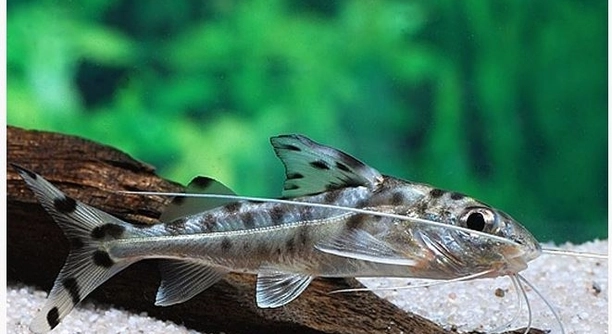
Many pet owners enjoy caring for their pictus cats and want to provide the best nutrition possible. Feeding the wrong food can cause health problems that are often easy to overlook. Knowing the signs can help keep your pictus healthy and happy.
Feeding your pictus improper food can lead to digestive upset, nutritional deficiencies, and behavioral changes. These issues arise when their diet lacks essential nutrients or includes harmful ingredients, negatively affecting their overall well-being and growth.
Recognizing these signs early is important for your pictus’s health and can help prevent long-term damage. This article will highlight key indicators to watch for and improve your feeding routine.
Signs of Digestive Issues in Your Pictus
Digestive problems are a common sign that your pictus may be eating the wrong food. Symptoms like vomiting, diarrhea, or constipation often indicate that their digestive system is not handling the current diet well. Sometimes, you may notice a lack of appetite or sudden weight loss. These changes can be subtle at first but become more obvious over time. Poor digestion affects nutrient absorption, which can lead to other health complications. The right diet should support a smooth digestive process and maintain a healthy gut. If you observe consistent digestive problems, it may be necessary to review the ingredients and quality of the food you provide. Avoid foods that are too fatty, heavily processed, or contain harmful additives. Feeding a balanced diet tailored to your pictus’s needs is essential for their long-term health and comfort.
Digestive symptoms can also cause stress and discomfort for your pet, affecting their behavior and activity levels.
Ensuring your pictus’s diet supports their digestive health requires careful selection of foods with proper nutrients and fiber. Feeding them species-appropriate protein sources and avoiding fillers helps maintain digestive balance. Always monitor their stool consistency and eating habits closely. If digestive issues persist, consult a veterinarian for advice on dietary adjustments or medical treatment.
Changes in Coat Condition and Appearance
A dull or rough coat can signal nutritional deficiencies or feeding problems. When your pictus lacks essential fatty acids, vitamins, or proteins, their fur may lose its shine and become brittle. This is often one of the first visible signs that diet is inadequate. Poor coat quality also reflects overall health issues, including skin irritation or infections. Regular grooming may not improve coat condition if the root cause is dietary. A well-balanced diet rich in omega-3 and omega-6 fatty acids is important for healthy skin and fur. Foods that contain artificial colors or low-quality ingredients can worsen coat problems. Observing changes in your pictus’s coat can help you identify whether their food is meeting their nutritional needs.
Addressing coat health through diet improves both appearance and the animal’s comfort.
Choosing high-quality, nutrient-rich foods will enhance your pictus’s coat and support skin integrity. Supplements like fish oil may be beneficial if recommended by a vet. Monitoring coat condition regularly helps catch issues early before they escalate. Remember, a healthy coat is a sign of proper nutrition and good overall health. When feeding your pictus, prioritize ingredients that support skin hydration and fur strength. Avoid foods with excessive fillers and artificial additives, which can lead to poor coat condition and skin sensitivity.
Behavioral Changes Related to Diet
Behavioral shifts can also indicate feeding problems. Your pictus may become lethargic, irritable, or show reduced playfulness when their diet does not meet their energy or nutrient requirements. Lack of proper nutrients affects brain function and mood, which may cause increased aggression or anxiety. Sometimes, they might show signs of restlessness or excessive grooming as stress responses. Feeding an unbalanced diet can result in inconsistent energy levels, leading to unpredictable behavior. Monitoring your pictus’s mood and activity provides insight into their overall health and diet quality. Consistent changes should prompt a reassessment of their food and feeding routine. A balanced diet tailored to their natural needs promotes stable behavior and a more content pet.
Adjusting food quality and composition helps restore normal behavior and energy balance.
Providing regular meals with adequate protein and healthy fats supports your pictus’s mental and physical health. Avoid feeding low-quality or inappropriate foods that lack necessary vitamins and minerals. Behavioral improvements often follow once diet is optimized, reinforcing the importance of proper nutrition in overall wellbeing.
Unusual Weight Fluctuations
Sudden weight loss or gain often signals an improper diet. If your pictus is losing weight despite eating regularly, it may not be absorbing enough nutrients. Conversely, rapid weight gain can result from high-fat or low-quality foods.
Weight loss in pictus cats can indicate malnutrition or digestive problems caused by food that lacks essential nutrients. This condition can weaken their immune system and lead to other health complications. On the other hand, weight gain often stems from feeding foods high in calories but low in necessary vitamins and minerals. Overfeeding or offering too many treats also contributes to unhealthy weight. Maintaining a balanced diet with appropriate portion control is crucial. Monitoring weight regularly helps detect problems early and adjust feeding habits to meet your pictus’s specific needs.
Proper nutrition is key to maintaining healthy body weight. Feeding a diet tailored to your pictus’s age, size, and activity level supports stable weight and overall well-being. Avoid foods with excessive fillers or unhealthy fats that can cause unwanted weight changes. Regular veterinary checkups can help manage and prevent diet-related weight issues.
Loss of Appetite and Food Refusal
A sudden loss of appetite often indicates dissatisfaction or intolerance to current food. If your pictus refuses meals or eats less, it may be due to taste, texture, or digestive discomfort caused by the diet.
Loss of appetite may result from food that is unappealing or difficult to digest. It can also signal an underlying health problem triggered by improper feeding. When pictus cats reject their meals, their energy levels and nutrient intake drop, affecting overall health. Introducing gradual diet changes with higher-quality ingredients can improve acceptance. Offering fresh, species-appropriate foods encourages regular eating habits. Pay attention to feeding routines and eliminate foods that cause discomfort or dislike.
If food refusal continues, it is important to consult a veterinarian to rule out medical issues. Persistent appetite loss can cause serious health decline and requires prompt action. Feeding a balanced, appealing diet supports consistent eating and maintains your pictus’s vitality.
Frequent Vomiting or Regurgitation
Frequent vomiting or regurgitation is a clear sign your pictus may be eating the wrong food. This can indicate food intolerance or a diet that is too rich or difficult to digest.
Persistent vomiting can cause dehydration and nutrient loss, weakening your pet over time. It often results from feeding inappropriate ingredients or sudden diet changes.
Poor Growth or Development
Poor growth or delayed development often stems from inadequate nutrition. Young pictus cats need balanced diets rich in proteins, vitamins, and minerals for healthy growth. Feeding low-quality food can stunt their progress and lead to long-term health problems. Ensuring a nutrient-rich diet supports proper bone development, muscle growth, and organ function, which are crucial for a healthy pictus.
Excessive Thirst or Urination
Excessive thirst or urination can signal dietary imbalance or kidney strain. This symptom often indicates that the food is causing dehydration or contains inappropriate ingredients affecting urinary health.
What are the best foods to feed a pictus cat?
The best foods for a pictus cat are those that provide balanced nutrition with high-quality protein, essential fats, and minimal fillers. A diet rich in animal-based proteins, such as fish and shrimp, supports their muscle development and overall health. Avoid foods with excessive grains, artificial additives, or low-grade ingredients. Wet foods often help maintain hydration, while high-quality dry foods can be included for variety. Fresh, species-appropriate ingredients will promote a healthy coat, digestion, and energy levels.
How often should I feed my pictus?
Pictus cats typically do well with two to three meals per day, depending on their age and activity level. Consistent feeding times help regulate digestion and prevent overeating. Younger or more active cats may require more frequent feeding to meet their energy needs. Avoid leaving food out all day, as this can lead to overeating or spoilage. Monitoring portion sizes and feeding schedules supports healthy weight and digestion.
Can I feed human food to my pictus?
Some human foods are safe in small amounts, but many can be harmful or lack the necessary nutrients pictus cats need. Avoid foods that contain onions, garlic, chocolate, caffeine, or excessive salt. Cooked lean meats without seasoning are generally safe. Always research or consult a vet before introducing any new human food to ensure it is safe and beneficial.
What are common signs my pictus is not getting proper nutrition?
Signs include digestive upset, weight fluctuations, poor coat condition, changes in behavior, loss of appetite, and frequent vomiting. If these symptoms appear, the current diet might lack essential nutrients or contain harmful ingredients. Early recognition allows timely adjustment of feeding practices to prevent more serious health issues.
Is it okay to feed treats regularly?
Treats should be given sparingly and should never replace a balanced diet. Overfeeding treats, especially those with low nutritional value or high fat and sugar, can cause weight gain and nutritional imbalances. Use treats primarily for training or special occasions, and choose options made specifically for pictus cats when possible.
How can I transition my pictus to a new food?
Switching diets gradually over seven to ten days reduces digestive upset. Start by mixing a small amount of the new food with the current diet, slowly increasing the new food’s proportion each day. Monitor your pictus for any signs of intolerance or digestive issues during the transition. If problems occur, slow the transition or consult a veterinarian.
Are supplements necessary for pictus cats?
Most balanced commercial diets provide adequate nutrition without additional supplements. However, certain health conditions or poor coat quality may benefit from supplements like omega-3 fatty acids or probiotics. Always consult a veterinarian before adding supplements to ensure they are needed and safe.
What should I do if my pictus refuses to eat new food?
Try warming the food slightly to enhance aroma and appeal. Offering smaller, more frequent meals or mixing new food with a small amount of a favorite treat can encourage acceptance. Avoid forcing or stressing your pictus, and allow time for adjustment. Persistent refusal should be discussed with a vet to rule out underlying health problems.
Can feeding the wrong food cause long-term damage?
Yes, long-term feeding of improper food can lead to chronic health issues such as kidney disease, obesity, digestive disorders, and poor immune function. Nutritional deficiencies or excesses over time compromise organ health and quality of life. Providing a balanced diet tailored to your pictus’s needs is essential to prevent these complications.
How do I choose the right commercial food for my pictus?
Look for products with high-quality animal proteins as the main ingredient and limited fillers like corn or wheat. Check for balanced levels of vitamins, minerals, and fatty acids. Avoid foods with artificial colors, preservatives, or flavorings. Reading labels carefully and choosing reputable brands with transparent ingredient sourcing helps ensure proper nutrition for your pictus.
Feeding your pictus the right food is crucial for their health and happiness. Choosing a balanced diet that meets their nutritional needs helps prevent many common problems such as digestive upset, weight changes, and poor coat condition. It is important to pay attention to the signs your pictus shows and adjust their diet accordingly. Feeding them appropriate protein sources and avoiding harmful ingredients supports their growth and overall well-being. Keeping meals consistent in quality and schedule can improve their digestion and behavior over time.
Regularly monitoring your pictus’s health through weight checks, coat condition, and appetite can help you spot any issues early. If you notice symptoms like vomiting, loss of appetite, or behavioral changes, consider reviewing the food you provide. Making gradual changes to their diet and consulting a veterinarian when necessary ensures your pictus stays healthy. Avoid quick switches or feeding foods that do not fit their needs. A well-planned diet tailored to your pictus’s age, size, and lifestyle is key to preventing long-term problems.
Ultimately, your pictus depends on you to provide proper nutrition. Feeding them the right food supports their energy, immune system, and quality of life. Taking the time to learn about their dietary needs and watching for warning signs will help you maintain their health. Proper nutrition is one of the simplest ways to show care and keep your pictus thriving. By choosing high-quality food and adjusting when needed, you give your pet the best chance for a happy, healthy life.

Hello,
If you enjoy the content that we create, please consider saying a "Thank You!" by leaving a tip.
Every little bit helps us continue crafting quality advice that supports the health, happiness, and well-being of pets around the world, for pets of all shapes, sizes, and species.
We really appreciate the kindness and support that you show us!