
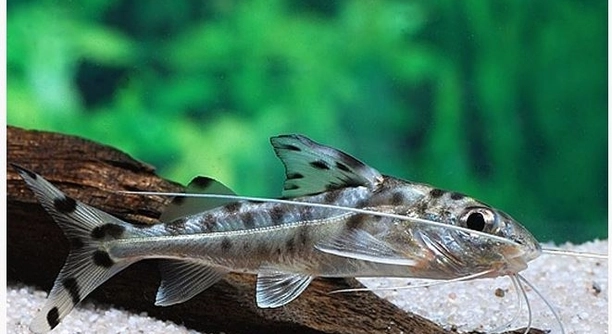
Many aquarists enjoy keeping Pictus catfish for their active nature and bottom-dwelling habits. However, it can be concerning when these fish avoid the bottom of the tank. Understanding why this behavior occurs is important for their well-being.
If a Pictus catfish avoids the bottom, it may be due to water quality issues, stress, illness, or inappropriate tank conditions. Ensuring clean water, proper temperature, and hiding spots helps encourage normal bottom-dwelling behavior.
Recognizing these signs early can improve your catfish’s health and comfort. This article will explain common causes and solutions to help your Pictus catfish feel at home again.
Causes of Pictus Catfish Avoiding the Bottom
Pictus catfish naturally spend most of their time near the bottom of the aquarium. When they avoid this area, it often signals that something in their environment is wrong. Poor water quality is a common cause. High levels of ammonia, nitrites, or nitrates can stress the fish and make them avoid the substrate. Another reason could be inappropriate water temperature. Pictus catfish prefer temperatures between 74°F and 79°F. If the water is too warm or too cold, they may change their behavior. Stress from overcrowding or aggressive tank mates can also drive them away from the bottom. Additionally, lack of hiding places may cause the fish to feel exposed and unsafe. Sometimes illness, like parasites or bacterial infections, causes discomfort that makes the catfish avoid the bottom. Monitoring water conditions and tank setup closely can help identify and fix these issues.
Poor water quality and stress are primary reasons Pictus catfish avoid the bottom.
Addressing water parameters, temperature, and tank setup ensures a healthier environment that encourages natural behavior in Pictus catfish.
How to Improve Tank Conditions
Regular water testing is essential for maintaining a safe environment. Test ammonia, nitrite, nitrate, and pH levels at least once a week. Perform partial water changes regularly to keep these parameters in check. Keep the temperature stable within the preferred range of 74°F to 79°F using a reliable heater and thermometer. Provide plenty of hiding spots like caves, plants, or decorations where the catfish can feel secure. Avoid overcrowding the tank and select peaceful tank mates to reduce stress. Feeding a balanced diet with sinking pellets or live food supports their health. Observing their behavior after these adjustments can indicate improvement. If the fish still avoids the bottom, consulting a veterinarian or aquarium specialist might be necessary. Consistent care and attention to these details create a more comfortable habitat for your Pictus catfish.
Signs of Illness in Pictus Catfish
Pictus catfish may avoid the bottom when they are sick. Look for signs like loss of appetite, lethargy, abnormal swimming, or visible sores. These symptoms indicate health problems that require attention.
Common illnesses include bacterial infections, parasites, and fungal diseases. Bacterial infections often cause redness, swelling, or ulcers on the body. Parasites can lead to scratching against objects or rapid breathing. Fungal infections usually appear as white cotton-like growths on the skin or fins. Early detection and treatment are important to prevent worsening conditions. Quarantining sick fish and using appropriate medications help in recovery.
Maintaining good water quality and a clean tank lowers the risk of illness. A balanced diet strengthens the immune system, helping your catfish resist infections. Regular observation ensures health issues are caught quickly and treated effectively.
Feeding Habits and Their Effect on Behavior
Pictus catfish are bottom feeders and prefer sinking food. If feeding practices change, they might avoid the bottom out of confusion or hunger. Feeding too much or too little can affect their activity levels and location in the tank.
Overfeeding can cause uneaten food to rot, leading to poor water quality that stresses the fish. Underfeeding may leave them searching for food in other tank areas. Offering high-quality sinking pellets or live foods like bloodworms helps maintain normal feeding behavior. Feeding at regular times also encourages the catfish to stay near the bottom. Observing feeding habits helps in adjusting portions and types of food to suit their needs. Proper feeding supports healthy behavior and overall well-being.
Stress Factors in the Aquarium
Stress can cause Pictus catfish to avoid the bottom. Loud noises, sudden movements, or poor tank conditions increase anxiety. Reducing these factors helps the fish feel more secure.
Maintaining a stable environment with minimal disturbances encourages normal behavior. Quiet surroundings and a well-maintained tank are essential.
Importance of Tank Setup
A well-arranged tank supports natural behavior. Soft substrate, adequate hiding spots, and moderate lighting create a comfortable habitat. Avoid sharp decorations that might injure the catfish.
Proper layout mimics their natural environment, helping them feel safe and encouraging bottom-dwelling.
When to Seek Professional Help
If behavior and health issues persist despite adjustments, consult an aquatic veterinarian. Early diagnosis can prevent serious problems.
Benefits of Routine Observation
Regularly watching your Pictus catfish helps spot changes early. Consistent care leads to healthier, happier fish.
FAQ
Why is my Pictus catfish not staying at the bottom?
Pictus catfish avoid the bottom mainly because of stress, illness, or unsuitable tank conditions. Poor water quality, wrong temperature, or aggressive tank mates can make them feel unsafe. Also, if the tank lacks hiding places, they may swim more in the middle or upper parts.
How can I improve water quality for my Pictus catfish?
Test the water regularly for ammonia, nitrites, and nitrates. Perform weekly partial water changes of about 20-30%. Use a good filter and avoid overfeeding to reduce waste buildup. Keeping the water clean supports healthy behavior.
What temperature should my Pictus catfish tank be?
Maintain water temperature between 74°F and 79°F (23°C to 26°C). Temperatures outside this range can stress the fish and alter their behavior, causing them to avoid the bottom.
Can tank mates affect my catfish’s behavior?
Yes. Aggressive or territorial fish can scare Pictus catfish, making them avoid the bottom or hide. Choose peaceful, compatible species and provide enough space and hiding spots to reduce stress.
What type of substrate is best for Pictus catfish?
Soft sand or smooth gravel is ideal to protect their sensitive barbels. Rough or sharp substrates may cause injury, leading the fish to avoid the bottom.
How often should I feed my Pictus catfish?
Feed small amounts once or twice daily. Use sinking pellets or live food like bloodworms. Overfeeding can pollute the tank, and underfeeding can cause stress and abnormal behavior.
What signs of illness should I watch for?
Look for loss of appetite, lethargy, rapid breathing, clamped fins, or visible sores. These signs indicate health issues that require treatment.
Can lighting affect my Pictus catfish’s behavior?
Yes. Bright lights may stress them. Moderate or dim lighting mimics their natural habitat and encourages normal bottom-dwelling.
Is tank size important?
A minimum of 30 gallons is recommended. Pictus catfish are active swimmers and need enough space to move comfortably. Small tanks can cause stress and unusual behavior.
Should I quarantine new fish before adding them to the tank?
Quarantining new fish for at least two weeks helps prevent the spread of disease. This practice protects your existing Pictus catfish from infections.
How can I tell if my Pictus catfish is stressed?
Signs of stress include hiding excessively, rapid breathing, erratic swimming, and loss of color. Stress lowers immunity and may cause the fish to avoid the bottom.
What are good hiding places for Pictus catfish?
Provide caves, driftwood, plants, and other decorations where they can retreat. These spots help reduce stress and encourage natural behavior.
Can changes in water parameters cause bottom avoidance?
Sudden changes in pH, hardness, or temperature can shock the fish. Gradual adjustments help maintain stable conditions, promoting comfort and bottom activity.
What should I do if my catfish shows signs of illness?
Isolate the sick fish if possible and consult a vet or aquarium specialist. Use appropriate medication following instructions carefully. Early treatment increases chances of recovery.
How long does it take for Pictus catfish to settle after tank changes?
It can take several days to a week for the fish to adjust. During this time, monitor behavior and maintain stable water conditions.
Are Pictus catfish nocturnal?
They are mostly nocturnal and more active during low light. Providing dim lighting or hiding spots during the day helps them feel safe.
Can poor diet affect bottom-dwelling behavior?
Yes. Lack of proper nutrition weakens the fish and may reduce their activity near the bottom. Balanced feeding supports their health and behavior.
What water parameters should I aim for besides temperature?
A pH between 6.5 and 7.5 and moderate hardness are ideal. Regular testing and adjustment help maintain these levels.
How do I safely clean the tank without stressing the fish?
Use gentle water changes with dechlorinated water. Avoid sudden temperature shifts and clean filters without disturbing the fish too much.
Is it normal for Pictus catfish to swim in the middle or top of the tank sometimes?
Occasionally, yes. They may explore or search for food. Persistent avoidance of the bottom, however, often signals a problem.
Can poor oxygen levels cause bottom avoidance?
Low oxygen can stress fish, making them more restless and causing unusual swimming patterns. Proper aeration and water flow maintain oxygen levels.
Do Pictus catfish prefer certain plants?
They do well with hardy plants like Java fern or Anubias. Plants provide shelter and help improve water quality, benefiting the fish.
How important is tank maintenance for preventing behavior issues?
Regular maintenance is crucial. Cleaning, water testing, and monitoring fish health prevent stress and disease that cause behavior changes.
What is the average lifespan of a Pictus catfish?
They typically live 8 to 10 years with proper care. Stable conditions and good health practices extend their lifespan.
Are there any special considerations for breeding Pictus catfish?
Breeding requires specific water conditions and a peaceful environment. Providing suitable spawning sites and monitoring behavior help increase success.
Can Pictus catfish live alone?
They can survive alone but usually prefer being in small groups. Group living reduces stress and encourages natural behavior.
How do I introduce new tank mates without stressing the catfish?
Add new fish slowly, and observe interactions. Provide enough space and hiding places to reduce aggression and stress.
What equipment is essential for a Pictus catfish tank?
A reliable filter, heater, thermometer, and aeration system are key. These maintain stable water conditions and a healthy environment.
How do I know if my filter is working properly?
Clear water flow and absence of odors indicate good filter function. Regular cleaning ensures efficiency.
Can sudden loud noises affect Pictus catfish?
Yes. Loud sounds can startle and stress the fish, leading to unusual behavior.
How do I manage algae growth in the tank?
Regular cleaning, controlling light exposure, and adding algae eaters help keep algae under control.
What role does water hardness play?
Moderate hardness supports good health. Extreme hardness or softness can cause stress and affect behavior.
Can Pictus catfish tolerate brackish water?
They prefer freshwater and do not do well in brackish conditions. Freshwater with stable parameters is best.
Are there natural remedies for minor illnesses?
Some aquarists use salt baths or herbal treatments. Always research carefully and consult experts before use.
How often should I check the fish for signs of illness?
Daily observation is ideal to catch problems early and ensure the fish’s well-being.
What are the benefits of a varied diet?
Variety provides essential nutrients and keeps the catfish interested in food, supporting health and behavior.
Can tank lighting cycles affect their health?
Yes. Consistent light and dark periods mimic natural cycles, promoting normal activity and rest.
What is the best way to acclimate new Pictus catfish?
Slowly adjust them to the tank water over an hour or more. This reduces stress and prevents shock.
Are Pictus catfish sensitive to water changes?
They can be if changes are sudden. Gradual water changes are safer and better tolerated.
How can I encourage my catfish to explore the bottom?
Create a safe, clean environment with plenty of hiding spots and suitable food on the substrate.
Can overcrowding cause bottom avoidance?
Yes. Overcrowding leads to stress, competition for space, and abnormal behavior.
What is the role of oxygenation in tank health?
Good oxygen levels support metabolism and reduce stress. Aeration and water movement help maintain this.
Can seasonal changes affect Pictus catfish?
Yes. Changes in room temperature or lighting can influence behavior and health.
How do I prevent common diseases in Pictus catfish?
Maintain clean water, provide balanced nutrition, quarantine new fish, and monitor regularly for signs of illness.
This FAQ covers key concerns related to Pictus catfish avoiding the bottom, offering practical advice to help maintain their health and natural behavior.
When Pictus catfish avoid the bottom of the tank, it usually points to an issue with their environment or health. These fish are naturally bottom dwellers, so changes in behavior are important to notice. Stress, poor water quality, or illness are common reasons behind this behavior. By paying close attention to the tank’s conditions, feeding routines, and the fish’s overall appearance, it becomes easier to identify the problem early. Acting quickly helps improve their comfort and health, ensuring they return to their natural habits.
Creating a stable and suitable environment is essential for Pictus catfish. Regular water testing and partial water changes keep the tank clean and safe. Maintaining proper temperature and water parameters also reduces stress on the fish. Providing soft substrate and enough hiding spots makes the bottom area more inviting. Avoiding overcrowding and selecting peaceful tank mates further supports their well-being. Feeding a balanced diet with sinking foods encourages normal feeding behavior near the bottom. Small adjustments in these areas can make a big difference in restoring the catfish’s confidence in their habitat.
Consistency and observation are key to long-term success. Regularly watching the fish for signs of illness or stress allows for early treatment and prevention. When problems persist despite these efforts, consulting a professional is important. Pictus catfish can live healthy, active lives with the right care and environment. Understanding their needs and responding to changes helps keep them comfortable and encourages their natural bottom-dwelling behavior. Taking the time to create a suitable home shows respect for their nature and supports their well-being.

Hello,
If you enjoy the content that we create, please consider saying a "Thank You!" by leaving a tip.
Every little bit helps us continue crafting quality advice that supports the health, happiness, and well-being of pets around the world, for pets of all shapes, sizes, and species.
We really appreciate the kindness and support that you show us!