
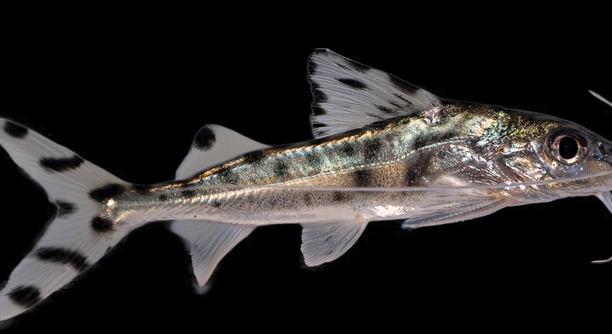
Are your fish constantly missing out during feeding time because other tank mates eat too quickly or dominate the food supply?
The best way to avoid food competition in a community tank is by choosing peaceful, slow-feeding species. These fish coexist well and do not compete aggressively during feeding, helping maintain a stress-free and balanced aquarium environment.
From calm bottom dwellers to gentle mid-level swimmers, these safe tank mates can create a more harmonious feeding experience for your entire tank.
Corydoras Catfish
Corydoras catfish are peaceful bottom dwellers that spend most of their time scavenging for leftover food. They do not compete with top or mid-level fish, making them excellent tank mates. Their calm nature helps reduce stress for other species, especially during feeding. Since they feed from the substrate, they eat at a different level than most other fish, allowing everyone to get their share without conflict. These catfish are social and prefer being in small groups, which helps them stay active and healthy. Corydoras also keep the tank cleaner by consuming uneaten food, reducing waste buildup. Their gentle behavior and distinct feeding habits make them a safe addition to community aquariums. You won’t need to worry about them bullying others or stealing food from faster swimmers. They’re hardy, easy to care for, and available in many varieties, which adds to the visual interest of the tank without disrupting the feeding balance.
They thrive in well-maintained tanks with smooth substrate and consistent water conditions.
Adding a small group of Corydoras can help keep the tank tidy and peaceful. Their presence supports balanced feeding by preventing leftover food from rotting.
Ember Tetras
These tiny, bright orange fish are peaceful and non-aggressive. They feed calmly and don’t rush to food, making them ideal tank mates.
Ember tetras are small schooling fish that do best in groups of at least six. They are mid-level swimmers and usually stay together while swimming calmly through the tank. When it’s feeding time, they don’t push or crowd others. Instead, they gently peck at the food, giving others time to eat too. Their calm nature helps reduce feeding stress for more timid species. Ember tetras also adapt well to a variety of tank setups and can live comfortably with many peaceful fish. Their diet consists of small flakes or micro pellets, so they don’t compete with larger fish for food. Their bright color adds a warm contrast to your tank, and their gentle nature ensures a low-conflict environment. Keep them in stable, warm water conditions with plenty of plants to feel secure.
Otocinclus Catfish
Otocinclus catfish are peaceful algae eaters that mind their own space. They don’t crowd other fish during feeding and prefer grazing on surfaces. Their calm behavior makes them perfect for tanks with more timid or slower-feeding species.
Otocinclus feed mainly on algae, biofilm, and vegetable matter, which means they rarely compete for traditional fish food. They are shy and do best in groups, often sticking to glass walls, plant leaves, or decor while feeding. Since they don’t chase after flakes or pellets, they leave more food available for other fish. Their gentle habits help maintain a peaceful feeding routine and prevent aggressive behavior in community tanks. Keeping them in groups of at least five allows them to feel safe and act naturally. They require a clean, well-oxygenated tank and plenty of hiding places. When properly cared for, they quietly contribute to both cleanliness and harmony in the tank.
They are sensitive to water quality and need a stable environment to thrive. Avoid sudden changes in temperature or pH. Supplement their diet with algae wafers or blanched vegetables like zucchini to keep them healthy. Providing live plants will give them shelter and more natural surfaces to graze on throughout the day.
Honey Gourami
Honey gourami are gentle and slow eaters that don’t rush to food. Their peaceful nature makes them a good match for tanks with less competitive feeders. They swim calmly and won’t disturb other fish during meals.
Honey gourami are best kept in pairs or small groups. They prefer calm, well-planted tanks with plenty of cover and stable water conditions. During feeding, they move slowly and selectively pick up floating food, giving other fish time to eat. They do not engage in aggressive feeding behaviors and usually stay in the mid to upper levels of the tank. Their diet includes flakes, pellets, and small live or frozen food. Since they are not pushy, they allow other tank mates to feed peacefully. Their calm presence can help ease more nervous fish. With soft coloring and slow movements, they bring a sense of balance to a tank with multiple species.
Harlequin Rasboras
Harlequin rasboras are peaceful schooling fish that feed calmly without creating competition. They eat slowly and stay in the middle of the tank, allowing other fish to eat at their own pace.
They thrive in groups and do best in planted tanks with gentle water flow. Their feeding habits make them ideal tank mates.
Kuhli Loaches
Kuhli loaches are nocturnal bottom dwellers that usually eat after lights go out. They scavenge for leftovers and rarely interfere with daytime feeders. Because they eat at different times, they do not compete for food. This makes them a quiet, helpful addition to balanced community tanks.
Endler’s Livebearers
Endler’s livebearers are small, peaceful fish that nibble gently during feeding. They don’t dominate the tank and do well in groups.
What are safe tank mates that won’t compete for food?
Safe tank mates that don’t compete for food typically have different feeding habits or levels in the tank. Bottom dwellers like Corydoras and Otocinclus focus on leftover food and algae. Peaceful mid-level swimmers such as Ember tetras and Harlequin rasboras feed calmly without rushing. Fish like Honey gourami and Endler’s livebearers are slow eaters who don’t push others away. Choosing species with varied diets and feeding behaviors prevents competition and stress during mealtime.
Why is it important to have tank mates that don’t compete for food?
When fish compete aggressively for food, some can become stressed or malnourished. Dominant fish might eat too much, while shy or slow feeders may miss out. This imbalance can cause poor health and affect growth. Peaceful, non-competitive tank mates ensure everyone gets enough nutrition. It also reduces fighting and chasing, creating a calmer, more stable environment for all fish.
How do feeding levels affect food competition in a tank?
Different fish prefer feeding at different levels—top, middle, or bottom. For example, surface feeders like honey gourami take food from the top, while Corydoras pick from the bottom. Mid-level swimmers, such as tetras, eat in the open water column. Selecting fish that feed at different levels spreads out the feeding activity, reducing direct competition and stress.
Can fish with different diets live together peacefully?
Yes. Fish that prefer algae, flakes, pellets, or live food can coexist if their feeding habits don’t overlap too much. For instance, algae eaters like Otocinclus won’t compete with carnivorous mid-level fish. Mixing herbivores, omnivores, and detritivores creates a balanced system where each species finds its own niche during feeding times.
How can I prevent food competition in a community tank?
Feed smaller amounts multiple times a day instead of one large feeding. Use sinking pellets for bottom dwellers and floating flakes for surface feeders to target different species. Feeding in several spots helps avoid crowding in one area. Observing feeding behavior allows you to adjust portions and timing to meet all fish’s needs.
Are schooling fish less likely to compete for food?
Schooling fish like Ember tetras and Harlequin rasboras often feed calmly and stay in groups. Their natural behavior encourages sharing space during feeding. Because they move and feed together, there is less aggressive food competition than with solitary or territorial species. Schooling also reduces stress, helping timid fish get their share.
Do nocturnal fish compete for food with daytime fish?
Nocturnal fish such as Kuhli loaches usually feed at night, scavenging leftover food. This feeding schedule minimizes competition with daytime fish. Their quiet, low-profile behavior helps maintain harmony in the tank. However, they still benefit from occasional targeted feeding, such as sinking wafers after lights out.
What should I do if some fish are not getting enough food?
Try feeding in different areas of the tank to reach shy or bottom-dwelling fish. Using sinking pellets or specialized foods can target those who miss out during general feedings. Separating dominant fish temporarily during feeding or providing extra feedings can help. Monitoring fish health ensures that no one is underfed or stressed.
Can tank size affect food competition?
Smaller tanks can increase competition because limited space forces fish closer together. Overcrowding leads to faster, more aggressive feeding behavior. Larger tanks give fish room to spread out and feed calmly. Proper stocking levels reduce stress and help maintain a peaceful feeding environment.
Is it necessary to research tank mates before adding them?
Yes. Understanding fish behavior, diet, and feeding habits is crucial to building a harmonious community. Some species may seem peaceful but can become aggressive around food. Research helps avoid problems and ensures all fish have compatible feeding styles, making it easier to maintain a stress-free tank.
Choosing the right tank mates is essential to maintaining a peaceful and healthy aquarium. When fish compete for food, it can cause stress and lead to uneven nutrition. This may affect the health of some fish, especially those that are shy or slow eaters. Selecting species that have different feeding habits or feed at different levels helps create balance. Peaceful fish that eat calmly allow everyone to get enough food without fighting or chasing. This reduces stress and makes the tank a more enjoyable place for the fish and the keeper.
It is also important to consider the diet of each species when choosing tank mates. Some fish prefer flakes or pellets, while others graze on algae or eat live food. Mixing fish with different diets reduces competition since they focus on different types of food. For example, bottom dwellers like Corydoras or Otocinclus eat leftovers or algae, while mid-level fish like tetras or gouramis feed on flakes or small pellets. Understanding these differences can help prevent feeding problems and keep the tank environment healthy.
Maintaining a peaceful feeding routine requires regular observation and adjustments. Feeding smaller amounts multiple times a day and spreading food throughout the tank allows all fish to eat comfortably. It also helps reduce waste and keeps water quality higher. Tank size and the number of fish are factors to consider as well; overcrowded tanks often lead to competition. By carefully selecting peaceful tank mates and managing feeding practices, it is possible to create a balanced community tank where all fish thrive without competing for food.

Hello,
If you enjoy the content that we create, please consider saying a "Thank You!" by leaving a tip.
Every little bit helps us continue crafting quality advice that supports the health, happiness, and well-being of pets around the world, for pets of all shapes, sizes, and species.
We really appreciate the kindness and support that you show us!