
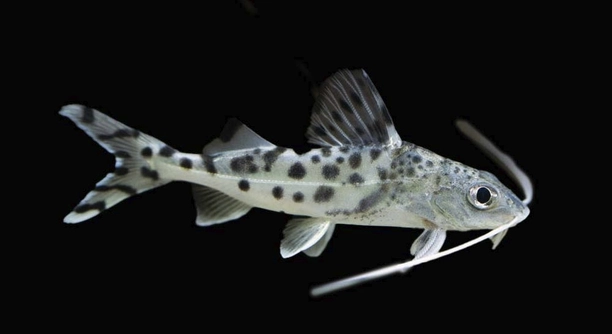
Using color-changing lights around Pictus catfish has become a popular idea among aquarium enthusiasts. These lights offer a dynamic visual effect and can create a unique atmosphere in your fish tank. Understanding their impact on Pictus is important for maintaining a healthy environment.
Color-changing lights can be used around Pictus catfish, but they should be set to gentle, slow transitions to avoid stress. Sudden or intense light changes may disturb the fish and affect their natural behavior. Proper lighting helps support their well-being.
Knowing how different lighting affects Pictus can improve your aquarium setup and keep your fish comfortable. This article will guide you through the best lighting choices for these active swimmers.
How Pictus Catfish React to Light
Pictus catfish are naturally nocturnal, meaning they are most active during low light conditions. Bright or rapidly changing lights can make them feel threatened or stressed, causing them to hide or become less active. When color-changing lights shift too quickly or are too intense, it disrupts their comfort and normal behavior. However, if the lights change slowly and stay at moderate brightness, Pictus can adjust without much trouble. It’s important to mimic their natural environment as much as possible. Using dim lighting or a soft glow helps keep them calm and visible without overwhelming their senses. This balance helps the fish stay healthy and exhibit natural behaviors like swimming and exploring.
Lighting also affects their feeding habits. Sudden flashes or bright colors might cause them to miss feeding times or hide away, which could impact their health over time.
Understanding these reactions allows for better care of Pictus catfish in a home aquarium.
Color-changing lights can be adjusted to provide a calm environment, ensuring Pictus remain comfortable and active.
Choosing the Right Lighting for Pictus Tanks
Selecting the right lighting is key to keeping Pictus catfish healthy and stress-free. Avoid using harsh, flickering, or very bright lights. Instead, opt for LED lights that allow you to control brightness and color transitions smoothly. Slow fades between colors are better than sudden changes. Natural-looking colors such as soft blues or greens can be less intrusive for these fish.
It is also helpful to have a regular light schedule, mimicking day and night cycles. This routine supports their internal rhythms and promotes normal activity. Additionally, providing hiding spots or plants in the tank helps Pictus feel secure when the lighting changes. A good lighting setup combined with a well-decorated tank can make a big difference in their well-being. Proper care through lighting choices contributes to a longer, healthier life for your Pictus catfish.
Effects of Color-Changing Lights on Pictus Behavior
Rapid color changes can startle Pictus catfish, causing them to swim erratically or hide more often. Their sensitivity to light means abrupt shifts may lead to stress, affecting their overall health and activity levels.
Stress from harsh lighting can weaken their immune system, making them more vulnerable to illness. Pictus rely on stable environments, so frequent or sudden changes in light intensity disrupt their natural rhythms. This can reduce their feeding response and cause them to avoid open spaces in the tank. Keeping light changes smooth and gradual is essential for maintaining calm behavior and encouraging natural swimming patterns.
If the lighting is adjusted correctly, Pictus can learn to adapt and stay active during color transitions. However, monitoring their reactions is important to ensure the lighting does not cause distress or long-term behavioral changes.
Practical Tips for Using Color-Changing Lights
Use timers to regulate light cycles, creating predictable patterns for your Pictus. Avoid setting the colors to change too quickly or at extreme brightness levels. Gradual shifts with calming colors like soft blues or gentle purples are ideal.
Ensure the tank includes plenty of hiding spots to help Pictus retreat if the lights become overwhelming. This supports their need for security and reduces stress during light changes. Consider testing different light settings to find the right balance that promotes activity without causing discomfort. Consistent lighting routines combined with a well-planted tank environment provide a stable habitat where Pictus can thrive naturally.
Lighting and Pictus Sleep Patterns
Pictus catfish rest during dark or low-light periods. Bright or rapidly changing lights can interrupt their sleep cycles. Consistent lighting helps them maintain regular rest and activity rhythms.
Providing a calm, dim environment at night supports their natural need to sleep. Avoid leaving lights on constantly or changing colors too often.
Best Color Choices for Pictus Tanks
Soft blue and green lights are calming and less likely to stress Pictus catfish. These colors resemble underwater environments and encourage natural behavior. Avoid bright reds or harsh white lights, which can be unsettling and cause hiding.
Adjusting Light Intensity
Lower light intensity reduces stress and mimics the Pictus’ preferred dim habitat. Bright lights may cause discomfort and disrupt their normal routines.
Can color-changing lights harm Pictus catfish?
Color-changing lights won’t harm Pictus catfish if used carefully. The key is avoiding sudden, bright flashes or fast color shifts that can stress them out. When light changes are slow and gentle, the fish usually adapt well. Harsh or erratic lighting, however, may cause stress, making the fish hide more or act nervously. Over time, this stress can weaken their immune system and affect their health. To protect your Pictus, keep light changes smooth and use softer colors that are closer to their natural environment.
Are Pictus catfish active during color changes?
Pictus catfish tend to be more active under stable lighting conditions. Fast or intense color changes can startle them, causing them to swim erratically or seek shelter. When the light transitions slowly and is not too bright, they generally remain calm and continue their usual swimming behavior. Maintaining consistent light levels with gradual shifts encourages normal activity, helping the fish stay healthy and less stressed.
How can I set up color-changing lights safely for Pictus?
Set your color-changing lights to transition slowly, with gentle fades rather than sudden switches. Use LED lights with adjustable brightness and timing. Avoid bright white or red lights, which can disturb Pictus. Soft blues and greens are best, as they mimic underwater environments. Also, keep a regular day-night cycle with a timer. This routine helps Pictus adjust their natural rhythms and reduces stress. Adding plants and hiding spots gives them refuge during lighting changes, improving their comfort.
Will color-changing lights affect Pictus feeding habits?
Yes, lighting can influence when and how Pictus eat. Sudden changes in light or very bright colors might make the fish nervous or hide, leading to missed feeding times. When the environment feels safe and calm, they feed more regularly. Using soft, steady lighting with slow color transitions encourages normal feeding behavior. It’s important to observe your fish during light changes and adjust if they seem reluctant to eat.
Can Pictus catfish get used to color-changing lights over time?
Many Pictus catfish can adapt to slow, gentle color changes if the lighting is consistent and predictable. Using gradual transitions and maintaining a set light schedule helps them get used to the environment. However, if lights change too rapidly or brightness is too high, the fish may never fully relax. Patience is important—monitor your fish closely and make adjustments as needed to keep them comfortable.
Is it better to avoid color-changing lights completely for Pictus tanks?
Not necessarily. Color-changing lights can add a nice visual effect without harming Pictus if managed well. The goal is to reduce stress by controlling brightness and transition speed. Many owners successfully use color-changing LEDs with slow fades and soft colors. The key is creating a stable, calm environment that meets the natural needs of your fish. If the fish show signs of distress, it’s best to switch to steady, dim lighting instead.
How do hiding spots help Pictus during light changes?
Hiding spots provide safe areas where Pictus can retreat if lights become overwhelming. Plants, caves, or decorations create shaded spaces that reduce stress during lighting transitions. This sense of security is important, especially when using color-changing lights that might startle the fish. Well-placed hiding places encourage natural behavior and make the tank environment more comfortable overall.
What are the best times to use color-changing lights in a Pictus tank?
Using color-changing lights during the evening or low-activity periods is often best. This allows the fish to experience gentle light shifts without interruption during feeding or high activity times. Avoid using them during the Pictus’ peak active periods, usually early morning or late night, to prevent stress. Scheduling lights to change slowly as the tank moves toward nighttime can enhance the ambiance without disturbing the fish.
Can color-changing lights improve the appearance of a Pictus tank?
Yes, when done right, color-changing lights can make a Pictus tank visually appealing. The soft shifts in color add depth and interest without harming the fish if managed properly. They can highlight decorations and plants, creating a relaxing atmosphere. The key is to use subtle colors and slow transitions to keep the fish comfortable while enhancing the tank’s look.
Should the light intensity be adjusted with color changes?
Adjusting light intensity along with color changes can help reduce stress. Bright lights can be harsh, especially when combined with fast color shifts. Lowering brightness during transitions or keeping light levels moderate helps maintain a calm environment. Gradual dimming and soft colors together create a more natural feel for Pictus catfish and support their well-being.
When using color-changing lights around Pictus catfish, it is important to remember that these fish prefer stable and calm environments. Sudden or bright light changes can cause stress, which may lead to changes in their behavior and health. However, when used carefully, color-changing lights can add a nice effect to the aquarium without disturbing the fish. Choosing soft colors and slow transitions helps Pictus adjust and feel comfortable in their tank. It is always better to watch the fish’s behavior and make changes if they seem unsettled by the lighting.
Creating a good lighting setup means thinking about the natural needs of Pictus catfish. These fish are nocturnal and like dimmer light conditions, so very bright or fast-changing lights are not ideal. Using LEDs that allow you to control brightness and timing is helpful. Providing a consistent day-night cycle with a timer will also support the fish’s natural rhythms. Including hiding places like plants or caves gives Pictus a sense of security when lights change, helping reduce stress. These simple steps can make a big difference in the well-being of your fish.
Overall, color-changing lights are not harmful if managed properly. It is best to avoid harsh lighting and rapid color shifts. Soft blues and greens work well because they mimic underwater tones. Watching how your Pictus react to the lights is key to finding the right balance. Every aquarium is a bit different, so adjusting light settings to fit your fish’s needs will lead to a healthier and happier environment. Taking time to set up lighting thoughtfully shows good care and helps your Pictus thrive in their home.

Hello,
If you enjoy the content that we create, please consider saying a "Thank You!" by leaving a tip.
Every little bit helps us continue crafting quality advice that supports the health, happiness, and well-being of pets around the world, for pets of all shapes, sizes, and species.
We really appreciate the kindness and support that you show us!