
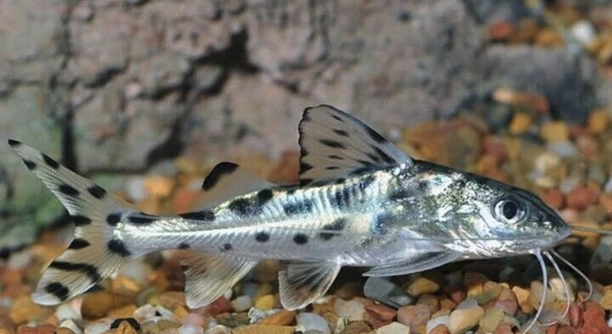
Is your Pictus catfish showing signs that worry you? These lively fish need proper care to stay healthy and happy in your aquarium. Knowing when they are unwell helps you act quickly to protect them.
Recognizing illness in Pictus catfish involves observing changes in behavior, appetite, and physical appearance. Common signs include lethargy, loss of appetite, abnormal swimming, and visible spots or wounds. Early detection is crucial to prevent serious health issues.
Understanding these key signs will help you keep your catfish thriving. Proper care starts with knowing what to watch for in your aquatic friend’s daily habits.
Common Signs Your Pictus Catfish Is Unwell
Pictus catfish usually swim actively and eat well, so any change in behavior can be a sign of illness. If you notice your catfish hiding more than usual or staying at the surface, it could mean something is wrong. Loss of appetite is another common indicator. Look for physical signs like torn fins, white spots, or red patches on the body. Abnormal swimming patterns, such as swimming sideways or struggling to stay upright, are also red flags. These symptoms often point to stress, poor water quality, or infections. It’s important to act fast because illnesses can worsen quickly in fish.
Stress and water quality issues are often behind many health problems in Pictus catfish.
Keeping your aquarium clean and stable helps prevent many of these common problems. Regular water tests and partial water changes are essential.
How to Improve Your Pictus Catfish’s Health
Maintaining good water conditions is the best way to keep your catfish healthy. Ensure the tank has proper filtration and a steady temperature between 74°F and 79°F (23°C–26°C). Avoid sudden changes in water chemistry, which can cause stress. Feeding a balanced diet with sinking pellets or frozen foods is important for their nutrition. Quarantine any new fish before adding them to your tank to prevent disease spread. If you see signs of illness, test the water immediately for ammonia, nitrites, and nitrates. Treat infections quickly with appropriate medication and isolate sick fish if needed. Regular tank maintenance and observation will make a big difference in your catfish’s health and longevity.
Common Illnesses in Pictus Catfish
Pictus catfish often face bacterial infections, fungal infections, and parasites. Each illness has distinct symptoms that can affect their health seriously.
Bacterial infections may cause red sores, fin rot, or cloudy eyes. These infections usually result from poor water quality or injuries. If untreated, they can spread quickly and weaken your fish. Fungal infections appear as white, cotton-like patches on the skin or fins. Parasites like ich cause small white spots all over the body and make the fish scratch against objects. Identifying the specific illness early is crucial for successful treatment.
Regular monitoring and good tank hygiene reduce the risk of these common diseases. Use proper medications as soon as symptoms appear, and isolate sick fish to avoid spreading infections. Always follow dosing instructions carefully for the best results.
Preventing Illness in Your Pictus Catfish
Keeping your tank clean and stable is the most effective way to prevent illness. Change 20-30% of the water weekly and avoid overcrowding. Test water regularly to keep ammonia, nitrite, and nitrate levels low. Introduce new fish only after a quarantine period of at least two weeks. Feed a varied diet to support a strong immune system. Avoid overfeeding, which can lead to water pollution and health issues. Proper filtration and aeration ensure good oxygen levels, which help fish stay healthy. Regular observation lets you catch problems early and act quickly. Preventive care saves time and keeps your catfish active and vibrant for years.
Signs of Stress in Pictus Catfish
Stress in Pictus catfish often shows as hiding, loss of appetite, or erratic swimming. These behaviors suggest the fish is uncomfortable or unwell.
Stress can result from poor water conditions, sudden changes, or aggressive tank mates. Reducing stress is key to their recovery.
Water Quality and Its Impact on Health
Poor water quality is a leading cause of illness in Pictus catfish. High ammonia, nitrite, or nitrate levels can damage their gills and weaken their immune system. Regular water testing and maintenance help keep these levels safe. Proper filtration and timely water changes support a healthy environment. Maintaining stable pH and temperature also reduces stress and disease risk.
When to Consult a Veterinarian
If your catfish shows severe symptoms like swelling, severe lethargy, or persistent loss of appetite, professional advice is important. A vet can provide accurate diagnosis and treatment options.
FAQ
How do I know if my Pictus catfish is sick?
Signs of sickness include sluggish behavior, loss of appetite, unusual swimming patterns, and visible marks like white spots or torn fins. Hiding excessively or gasping at the surface can also indicate health issues. Watching your catfish daily helps catch problems early before they worsen.
What causes Pictus catfish to get sick?
Most illnesses come from poor water quality, stress, overcrowding, or introducing infected fish. Sudden changes in temperature or pH levels can also weaken their immune system. Injuries from sharp decorations or aggressive tank mates increase the risk of infection.
Can I treat my Pictus catfish at home?
Mild illnesses like minor fungal infections or parasites can often be treated with over-the-counter aquarium medications. It’s important to follow the instructions carefully and maintain clean water during treatment. For serious symptoms, consult a professional for proper diagnosis.
How often should I clean my Pictus catfish tank?
A weekly water change of 20-30% is recommended to keep the environment healthy. Regularly check filters and remove uneaten food or debris. Clean decorations and substrate as needed, but avoid complete tank cleanings that disturb beneficial bacteria.
What should I feed a sick Pictus catfish?
Offer high-quality sinking pellets or frozen foods like bloodworms to encourage eating. Avoid overfeeding, as leftover food can pollute the tank. If the fish refuses food, try smaller, more frequent meals until appetite returns.
Why is my Pictus catfish hiding all the time?
Hiding can be a sign of stress or illness. Changes in water conditions, loud noises, or new tank mates may cause fear. Persistent hiding combined with other symptoms requires checking water quality and health status.
Can stress cause disease in Pictus catfish?
Yes, stress lowers their immune response, making them more vulnerable to infections. Keeping water stable and avoiding overcrowding helps reduce stress levels. Providing hiding spots also creates a more comfortable environment.
Should I quarantine new fish before adding them to my tank?
Always quarantine new fish for at least two weeks. This helps prevent introducing diseases into your main tank. Monitor them closely for any signs of illness during this period.
What water parameters are best for Pictus catfish?
Maintain temperature between 74°F and 79°F (23°C–26°C), pH from 6.5 to 7.5, and keep ammonia and nitrite at zero. Nitrate should stay below 20 ppm. Stable water conditions prevent many health problems.
How do I isolate a sick Pictus catfish?
Use a separate hospital tank with similar water conditions. This helps avoid spreading disease and allows focused treatment. Monitor water quality carefully in the hospital tank, as smaller volumes can change quickly.
Can I use natural remedies to treat my catfish?
Some natural treatments, like aquarium salt, can help reduce stress and fight mild infections. However, always research dosages and effects before use. Severe illnesses require specific medications for effective treatment.
How long does it take for a Pictus catfish to recover from illness?
Recovery time varies depending on the illness and treatment. Minor issues may clear up in a week or two, while more serious infections can take longer. Consistent care and good water quality speed recovery.
What are signs that my treatment is working?
Improved activity, appetite returning, and fading of visible symptoms indicate recovery. If symptoms worsen or persist beyond treatment length, reassess the diagnosis or consult a vet.
Can poor diet make my Pictus catfish sick?
Yes, a lack of nutrients weakens the immune system. Feeding varied, balanced foods supports their health. Avoid feeding only flakes or low-quality pellets.
Is it normal for Pictus catfish to lose color when stressed or sick?
Yes, color fading can signal stress or poor health. Restoring good water quality and reducing stress usually helps color return.
What can I do to prevent illnesses in the future?
Regular water testing, proper feeding, quarantine for new fish, and a stable environment are key. Observing your catfish daily helps catch issues early before they become serious.
Final thoughts are important when caring for your Pictus catfish because their health depends on careful attention. These fish are active and sensitive, and small changes in their environment can affect them quickly. By observing their behavior and appearance regularly, you can spot signs of illness early. This helps prevent serious problems and keeps your catfish healthy and happy. Remember that a clean tank with good water quality is one of the best ways to support their well-being.
It is also important to maintain a stable environment. Sudden changes in temperature, water chemistry, or tank mates can stress your catfish, making them more likely to get sick. Stress weakens their immune system, so avoiding stressful conditions helps your fish stay strong. Feeding your Pictus catfish a balanced diet with proper nutrition supports their health too. A good diet, combined with a clean tank, reduces the risk of disease and improves recovery if your fish do get sick.
Finally, don’t hesitate to act quickly if you notice any signs of illness. Early treatment improves the chances of a full recovery. Keeping medications on hand for common infections and knowing when to seek professional advice can make a big difference. Taking these steps shows you care and helps ensure your Pictus catfish lives a long, healthy life in your aquarium. With regular care and attention, you can enjoy watching your catfish thrive.

Hello,
If you enjoy the content that we create, please consider saying a "Thank You!" by leaving a tip.
Every little bit helps us continue crafting quality advice that supports the health, happiness, and well-being of pets around the world, for pets of all shapes, sizes, and species.
We really appreciate the kindness and support that you show us!