
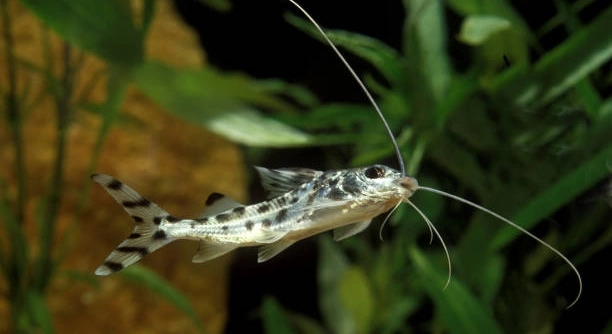
Pictus catfish are popular freshwater aquarium fish known for their peaceful nature and unique appearance. Many fishkeepers enjoy observing their behaviors and interactions within the tank environment. Understanding how these fish sense their surroundings is important for proper care.
Pictus catfish can detect other fish through glass by sensing vibrations and changes in water pressure rather than through direct visual cues. Their lateral line system allows them to pick up on movements and disturbances nearby, enabling awareness of other tank inhabitants despite the glass barrier.
Knowing how pictus catfish perceive their environment can improve aquarium setup and interaction. This insight helps create a better habitat for both the catfish and other species sharing the tank.
How Pictus Catfish Use Their Lateral Line to Sense Movement
Pictus catfish rely heavily on their lateral line system, a specialized sensory organ running along their bodies. This system detects vibrations and pressure changes in the water, which helps the fish sense nearby movement. When another fish swims close, even if separated by aquarium glass, the vibrations travel through the water and reach the catfish. This allows them to recognize other fish without relying solely on sight. Since aquarium glass blocks some visual cues, the lateral line plays a crucial role in their awareness. It also helps pictus catfish navigate their environment, avoid obstacles, and find food. The sensitivity of this system varies with the fish’s size and health, making it important to maintain good water conditions. Understanding this helps explain why pictus catfish may react to fish on the other side of the tank, appearing curious or cautious even without direct contact.
The lateral line system is key to how pictus catfish interpret their environment beyond visual signals.
This sensory ability makes pictus catfish more responsive and interactive within an aquarium. Recognizing vibrations means they stay aware of tankmates and changes, which can reduce stress and improve their overall behavior. This also means tank design, including the placement of decorations and other fish, can impact their comfort. Avoiding excessive noise or water disturbances helps maintain a calm environment where their senses function well. By knowing how the lateral line works, fishkeepers can better support the needs of pictus catfish and create a more balanced aquarium community.
Visual Recognition Through Aquarium Glass
Pictus catfish do have good eyesight, but glass affects how they see other fish. The glass surface can distort images or reflect light, making visual cues less reliable. However, they can still recognize shapes and movement through the glass, especially when the tank lighting is appropriate. The combination of sight and their lateral line gives them a fuller picture of their surroundings.
Visual input complements the vibrations sensed by the lateral line system, allowing pictus catfish to identify other fish through subtle movements or changes in light patterns. When lighting conditions are poor, they depend more on their sensory organs to detect presence and activity. Therefore, clear, clean glass and good lighting improve their ability to recognize tankmates visually, which supports natural behaviors like schooling or territorial displays. Maintaining an environment that enhances both visual and sensory signals helps keep pictus catfish engaged and healthy.
Adjusting tank lighting and reducing glare enhances pictus catfish’s ability to see and interact with other fish effectively.
How Glass Affects Fish Communication
Glass acts as a physical barrier that limits direct contact between fish. While vibrations travel well through water, glass can dampen or reflect some signals. This means pictus catfish might miss subtle cues that are easier to detect in open water.
Despite this, pictus catfish still communicate using body movements and water vibrations. They can sense others nearby through these signals, although the glass may weaken their intensity. Their lateral line system helps compensate by picking up nearby disturbances, allowing some level of interaction. However, behaviors like direct physical contact or close-range signals are reduced due to the glass barrier, affecting social dynamics in the tank.
Tank mates separated by glass often rely on different senses than in natural habitats. Visual recognition and vibration detection become more important, but the glass reduces the richness of communication. This can make fish appear less social or responsive, which is normal for aquarium settings.
Improving Interaction for Pictus Catfish in Aquariums
Creating an environment that encourages sensing other fish benefits pictus catfish behavior. Positioning decorations so water flow carries vibrations effectively can help them detect tankmates better. Avoiding overly thick glass or acrylic also improves signal transmission.
Good water quality and stable conditions keep the lateral line system sensitive and responsive. Regular tank maintenance minimizes disturbances that could interfere with vibration detection. Placing compatible fish nearby helps pictus catfish stay engaged without stress. Soft lighting and minimal reflections improve visual clarity. These adjustments help pictus catfish maintain natural behaviors despite the aquarium’s physical limits.
By understanding how pictus catfish sense others through glass, aquarium setups can be optimized. This creates a more comfortable and interactive space, enhancing the well-being of all fish involved.
Do Pictus Catfish Recognize Their Own Reflection?
Pictus catfish may react to their reflection in the aquarium glass, mistaking it for another fish. This can cause behaviors like curiosity or aggression, depending on the fish’s temperament and environment. Reflections can confuse them, especially in low light or with strong tank lighting.
The reflection lacks true social signals, so the catfish often lose interest after repeated exposure. Some may ignore it, while others remain alert. This reaction varies from fish to fish and can depend on tank conditions and the presence of other fish.
Feeding Behavior and Sensing Others
Pictus catfish often rely on sensing vibrations when hunting or feeding. They detect movement of food or other fish, even through the glass barrier. This helps them compete or interact during feeding time. Visual cues are secondary to their lateral line in this context.
The Role of Tank Size
A larger tank allows more space for pictus catfish to use their senses effectively. More water means better vibration transmission and less stress. In small tanks, signals can become distorted or overwhelming, affecting their behavior negatively.
FAQ
Can pictus catfish really sense other fish through glass?
Yes, pictus catfish can sense other fish through glass primarily by detecting vibrations in the water using their lateral line system. While the glass blocks direct physical contact and can distort visual signals, vibrations travel through the water, allowing them to pick up on movement and presence of tankmates nearby. This sensory ability helps them stay aware of their environment even with a glass barrier.
Do pictus catfish see their reflection as another fish?
Often, pictus catfish will notice their reflection in aquarium glass and may mistake it for another fish. This can trigger curiosity or territorial behavior. However, because the reflection doesn’t give true social cues like movement or scent, most pictus catfish eventually lose interest or ignore the reflection altogether.
Why do pictus catfish sometimes act shy or nervous around other fish?
Pictus catfish are naturally cautious and rely on sensing vibrations and visual cues for safety. If tank conditions create confusing signals—like too many reflections, sudden movements, or loud noises—they may become shy or stressed. Ensuring clear water, proper lighting, and a calm environment helps them feel secure.
How does tank size affect pictus catfish interaction?
Larger tanks give pictus catfish more space to pick up on vibrations without overwhelming their senses. In a small tank, vibrations may become distorted or too intense, which can stress the fish and affect their social behavior. More water volume allows signals to travel better, making it easier for the catfish to sense others naturally.
Can pictus catfish communicate through water vibrations?
Yes, water vibrations are an important form of communication for pictus catfish. They use their lateral line to detect these signals, which helps them identify the presence and movements of other fish. Although glass limits some forms of communication, vibrations still travel through water and help pictus catfish stay connected with their tankmates.
Does the thickness of aquarium glass impact how pictus catfish sense others?
Thicker glass can slightly reduce the transmission of vibrations, making it harder for pictus catfish to detect subtle movements on the other side. Thinner glass or acrylic allows better vibration transfer. While the difference may be minor, it can affect how aware the catfish feel of other fish around them.
How can I improve interaction between pictus catfish and other tank fish?
Position decorations and filter outlets to encourage gentle water flow, helping vibrations travel smoothly. Keep the tank clean with stable water parameters to maintain sensory health. Using moderate lighting reduces glare and reflections, aiding visual recognition. Choosing peaceful tankmates also supports positive interactions.
Do pictus catfish rely more on sight or their lateral line?
Pictus catfish use both sight and their lateral line, but in an aquarium setting, the lateral line often plays a larger role. Glass can distort visuals, but water vibrations remain a reliable way to sense movement. This combined sensing helps pictus catfish stay aware of their environment.
Can vibrations from outside the tank disturb pictus catfish?
Yes, vibrations caused by tapping the glass, loud noises, or heavy footsteps near the tank can stress pictus catfish. Their lateral line picks up these disturbances, which may cause them to hide or become anxious. Minimizing external disturbances supports a calm environment for the fish.
Do pictus catfish recognize individual fish?
While pictus catfish can sense the presence and movements of other fish, it’s unclear if they recognize individuals like mammals do. They respond to familiar signals and patterns but likely focus more on general awareness than on identifying specific tankmates.
What happens if pictus catfish cannot sense other fish well?
If sensory input is limited—due to poor water quality, excessive noise, or thick glass—pictus catfish may become stressed or less active. Reduced awareness can affect their feeding behavior and social interactions. Ensuring optimal tank conditions helps maintain their sensory health and well-being.
Are pictus catfish more active when they sense other fish?
Yes, pictus catfish tend to be more alert and active when they detect other fish through vibrations or movement. This activity can include swimming around, investigating, or even schooling behavior. When alone or isolated by poor sensory conditions, they may appear less lively.
How does lighting affect pictus catfish’s ability to sense others?
Proper lighting improves their ability to see shapes and movement through the glass. Too bright or harsh light can cause glare and reflections, confusing the fish. Soft, even lighting supports both visual and lateral line sensing, helping pictus catfish interact comfortably with tankmates.
Is it normal for pictus catfish to ignore other fish at times?
Yes, pictus catfish may ignore tankmates sometimes, especially if they feel secure or uninterested. Their level of interaction varies with mood, health, and environmental factors. Occasional low activity or reduced interest in others is not usually a concern unless accompanied by signs of stress.
Can pictus catfish sense fish in adjacent tanks separated by glass?
They may detect vibrations from nearby tanks, but the effect is weaker. Most sensing happens within their own tank’s water. Adjacent tanks separated by multiple glass panels reduce vibration transmission significantly, limiting cross-tank sensing and interaction.
What can cause pictus catfish to be overly aggressive toward reflections?
Bright lighting, lack of tankmates, or a small tank can increase stress and territorial behavior, making pictus catfish more aggressive toward their reflection. Providing hiding spots, adjusting lighting, and adding compatible fish can help reduce this behavior.
Pictus catfish have unique ways of sensing their environment, especially through the lateral line system, which allows them to detect vibrations and movements in the water. This ability helps them recognize other fish even when separated by aquarium glass. While the glass blocks some signals and distorts visual cues, pictus catfish still manage to stay aware of their tankmates. This sensory skill is important for their natural behavior, helping them navigate, feed, and interact within their aquarium setting. Understanding this can help fishkeepers create better conditions for pictus catfish and other species sharing the tank.
The glass barrier in an aquarium creates some limitations in how pictus catfish communicate and sense others. Visual recognition is affected by reflections and lighting, which can confuse the fish or reduce their ability to see clearly. However, the lateral line system compensates by picking up water vibrations caused by other fish. Tank size, water quality, and environmental factors like lighting also influence how well pictus catfish can detect their surroundings. These factors affect their comfort, stress levels, and social behavior. Adjusting these conditions in the aquarium supports healthier and more natural interactions for pictus catfish.
Keeping pictus catfish in a well-maintained tank that respects their sensory abilities leads to a better experience for both the fish and the keeper. Providing appropriate space, clear water, moderate lighting, and calm water flow enhances their ability to sense and respond to other fish. Avoiding excessive noise and vibrations from outside the tank also helps reduce stress. Overall, knowing how pictus catfish perceive their environment through glass and water can improve their care and well-being. This knowledge encourages a more thoughtful aquarium setup that meets their natural needs.

Hello,
If you enjoy the content that we create, please consider saying a "Thank You!" by leaving a tip.
Every little bit helps us continue crafting quality advice that supports the health, happiness, and well-being of pets around the world, for pets of all shapes, sizes, and species.
We really appreciate the kindness and support that you show us!