
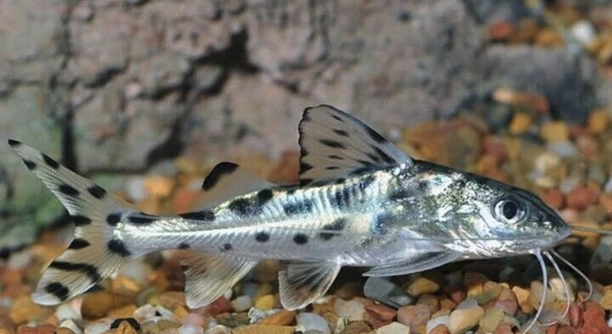
Cleaning a Pictus tank requires some care to keep the fish healthy and the environment balanced. Many people enjoy watching these active fish, but their tank needs special attention during cleaning. Avoiding certain mistakes can make maintenance easier and safer for your aquatic pets.
Avoiding harsh chemicals, sudden water changes, and overcleaning are crucial steps when maintaining a Pictus tank. These practices help preserve beneficial bacteria, prevent stress on the fish, and maintain a stable, healthy environment for their well-being.
Knowing what to avoid will help you keep your Pictus tank thriving and reduce common problems that can harm your fish or disrupt the tank’s balance.
Avoid Using Harsh Chemicals
Harsh chemicals like bleach, ammonia, or strong detergents can severely harm the beneficial bacteria in your Pictus tank. These bacteria are essential for breaking down waste and keeping the water safe for your fish. Even small amounts of chemicals can upset the tank’s balance, making it toxic. When cleaning, use only fish-safe products or a diluted vinegar solution to clean the tank surfaces and decorations. Avoid soaps and detergents altogether, as residues can remain and cause stress or illness in your Pictus catfish. Rinse everything thoroughly with clean water to remove any cleaning agents before putting items back into the tank. Keeping the environment chemical-free protects both the fish and the biological filters that keep the water healthy.
Using harsh chemicals in a Pictus tank can cause long-lasting damage to the ecosystem, so always choose gentle, fish-safe cleaning methods.
Taking care to avoid harmful substances will help maintain a stable, safe environment where your Pictus can thrive without unnecessary risks.
Avoid Sudden Water Changes
Sudden, large water changes can shock your Pictus fish and disrupt the tank’s environment. Pictus catfish are sensitive to changes in temperature, pH, and water chemistry. A rapid switch in water conditions can stress the fish, weaken their immune systems, and make them vulnerable to disease. Instead of changing a large portion of the water all at once, aim to replace only 20-30% of the water weekly. This gradual approach helps maintain the tank’s balance and keeps water parameters steady. Be sure the new water matches the tank’s temperature and pH as closely as possible. Testing the water before adding it can prevent sudden shifts that upset the fish.
Regular, moderate water changes are the best way to maintain water quality while keeping your Pictus comfortable and healthy.
Avoid Overcleaning the Tank
Overcleaning might seem like a good way to keep your tank spotless, but it can do more harm than good. Scrubbing everything too often or removing too much debris can strip away the beneficial bacteria needed to process fish waste. These bacteria live on surfaces like the tank glass, gravel, and decorations, and they help prevent harmful ammonia buildup. When you clean, avoid washing everything at once. Instead, clean parts of the tank in rotation, allowing bacteria populations to recover. Use only tank water to rinse filter media to preserve these helpful organisms. Also, don’t remove all the algae, as a small amount provides natural food and helps oxygenate the water. Overcleaning causes water quality to drop, which stresses your fish and increases the risk of illness. A balanced cleaning routine supports a healthy, thriving Pictus tank.
Finding the right cleaning balance is key to keeping your tank clean without harming its natural filters or your fish’s well-being.
Avoid Using Tap Water Without Treatment
Tap water contains chlorine and chloramine, which are harmful to Pictus catfish. Always treat tap water with a water conditioner before adding it to the tank. This removes these chemicals and makes the water safe for your fish to live in.
Water conditioners neutralize harmful chemicals like chlorine, chloramine, and heavy metals found in tap water. Adding untreated tap water directly into the tank can cause gill damage and stress your fish, sometimes leading to illness or death. These chemicals disrupt the delicate balance of your tank’s ecosystem by killing beneficial bacteria essential for breaking down waste. Using a water conditioner before refilling your tank protects both your fish and the bacterial colonies. It is important to follow the instructions on the water conditioner product to ensure proper dosing and effectiveness.
Regularly testing your water parameters after adding treated water helps confirm that conditions remain stable and safe. Using untreated tap water even once can cause lasting harm to your Pictus tank’s environment.
Avoid Overfeeding Your Pictus Catfish
Overfeeding your Pictus can pollute the tank water and harm your fish’s health. Excess food decays and raises ammonia levels, which are toxic to aquatic life.
Feeding should be controlled and based on your fish’s needs. Pictus catfish usually eat small amounts multiple times a day. It is best to provide only what they can consume within a few minutes. Leftover food quickly decomposes, causing water quality problems that require more frequent cleaning and water changes. Uneaten food can also encourage unwanted algae growth and attract pests to the tank. Overfeeding can lead to obesity and digestive issues in your fish, reducing their lifespan and vitality. Observing your Pictus’s eating habits helps you adjust feeding amounts accordingly.
Keeping feeding portions small and regular supports both your fish’s health and the overall cleanliness of the tank environment.
Avoid Using a Dirty Filter
A dirty filter cannot clean the tank water properly and can cause harmful waste buildup. Regular filter maintenance is essential for a healthy Pictus tank.
Filters trap debris and house beneficial bacteria. When clogged, they lose efficiency, leading to poor water quality and stressed fish.
Avoid Ignoring Temperature Fluctuations
Pictus catfish thrive in stable temperatures between 74°F and 80°F. Sudden temperature changes cause stress and weaken their immune system, making them more vulnerable to disease.
Maintaining a consistent temperature supports healthy metabolism and behavior. Use a reliable heater and thermometer to monitor and adjust as needed.
Avoid Using Sharp Decorations
Sharp or rough decorations can injure your Pictus catfish. These fish like to explore, so smooth surfaces and safe plants reduce the risk of cuts or damage.
FAQ
How often should I clean my Pictus tank?
Cleaning frequency depends on tank size and stocking levels. Generally, perform a partial water change and light cleaning every week to maintain water quality. Deep cleaning should be done less often, about once a month, to avoid disturbing beneficial bacteria too much. Regular spot cleaning to remove uneaten food and debris is also important to keep the tank healthy.
Can I use tap water without conditioning it?
No, untreated tap water contains chlorine and chloramine, which are toxic to Pictus catfish. Always use a water conditioner to neutralize these chemicals before adding water to the tank. This step protects your fish and preserves beneficial bacteria in the tank’s ecosystem.
What type of filter is best for a Pictus tank?
A filter that provides both mechanical and biological filtration works best. Sponge filters, hang-on-back filters, or canister filters are good options. The filter should have adequate flow but not create strong currents, as Pictus catfish prefer moderate water movement.
Is it okay to clean the filter media with tap water?
Avoid cleaning filter media with tap water because it can kill the beneficial bacteria essential for breaking down waste. Instead, rinse filter media gently in tank water removed during a water change. This helps maintain the bacterial colonies while removing debris.
How much should I feed my Pictus catfish?
Feed only what your fish can eat in 2-3 minutes, once or twice a day. Overfeeding leads to excess waste and poor water quality. Pictus catfish are bottom feeders and enjoy sinking pellets or live/frozen foods like bloodworms.
Can I keep Pictus catfish with other fish?
Yes, Pictus catfish are generally peaceful and can live with other non-aggressive species of similar size. Avoid housing them with very small fish that could be mistaken for food or with aggressive species that may stress them.
What temperature should I keep my Pictus tank?
Maintain the tank temperature between 74°F and 80°F. Use a heater and thermometer to ensure stability. Sudden temperature changes can stress the fish and lead to illness.
How do I know if my Pictus catfish is stressed?
Signs of stress include hiding, loss of appetite, rapid breathing, and clamped fins. Poor water quality, sudden changes, or aggressive tank mates often cause stress. Regular maintenance and monitoring water parameters help prevent these issues.
Can I use decorations in the tank?
Yes, but avoid sharp or rough decorations that could injure your Pictus catfish. Smooth rocks, driftwood, and live plants provide hiding spots and a natural environment without risk of damage.
Why is my Pictus tank water cloudy after cleaning?
Cloudy water can result from disturbed substrate or beneficial bacteria colonies during cleaning. If overcleaning happens or too much debris is stirred up, the water may appear milky. Letting the tank settle and running the filter usually clears this within a day or two.
Final Thoughts
Cleaning a Pictus tank takes careful attention and some basic knowledge to keep the fish healthy. Avoiding harsh chemicals, sudden water changes, and overcleaning will protect the beneficial bacteria and maintain the tank’s natural balance. These bacteria play an important role in breaking down waste and keeping the water safe for your fish. Using only fish-safe products and gentle cleaning methods helps preserve this balance. Regular partial water changes with treated water ensure the environment remains stable and comfortable for your Pictus catfish.
Proper feeding is just as important as cleaning. Overfeeding can quickly cause water quality problems and stress your fish. Providing only the right amount of food, based on how much your Pictus can eat in a few minutes, prevents excess waste buildup. Along with feeding, maintaining a clean and well-functioning filter supports healthy water conditions. Cleaning the filter carefully using tank water instead of tap water protects the beneficial bacteria needed for biological filtration. Monitoring the temperature and avoiding sudden changes also helps keep your fish comfortable and healthy.
Overall, keeping a Pictus tank clean requires a balanced approach. Regular maintenance with gentle care and attention to detail will create a stable environment where your fish can thrive. Being mindful of the common mistakes to avoid ensures that you don’t disrupt the delicate ecosystem inside the tank. Consistency and careful monitoring of water conditions, feeding habits, and cleaning routines will protect your fish from stress and illness. Taking these steps will allow you to enjoy a healthy, beautiful Pictus tank for a long time.

Hello,
If you enjoy the content that we create, please consider saying a "Thank You!" by leaving a tip.
Every little bit helps us continue crafting quality advice that supports the health, happiness, and well-being of pets around the world, for pets of all shapes, sizes, and species.
We really appreciate the kindness and support that you show us!