
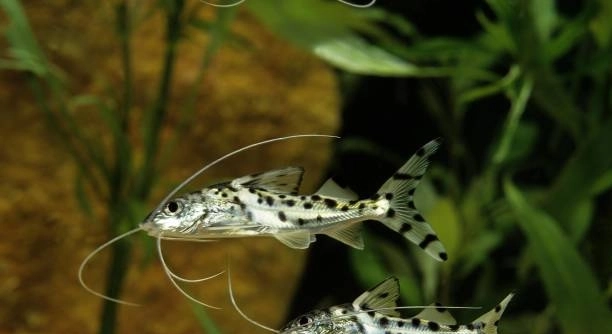
Keeping fish healthy starts with good water habits. Proper water changes help maintain a clean environment, which supports fish well-being and prevents common problems in home aquariums. Consistency in care makes a big difference over time.
Regular and correctly performed water changes reduce harmful toxins and maintain stable water parameters. This practice helps prevent stress and disease in fish by ensuring optimal living conditions, contributing directly to their overall health and longevity.
Learning the right habits will improve your fish’s life and keep your aquarium thriving. Understanding these simple steps can make caring for your fish easier and more effective.
Consistency is Key in Water Changes
Changing your aquarium water on a regular schedule is very important for keeping fish healthy. When water changes happen consistently, toxins like ammonia and nitrites do not build up to dangerous levels. This helps reduce stress on your fish. Irregular water changes can shock the fish by causing sudden changes in water chemistry. Setting a fixed routine, such as weekly or biweekly water changes, helps keep the environment stable. It also allows you to monitor your aquarium’s condition more closely. Consistency makes it easier to spot problems early before they get worse. Over time, regular water changes improve water clarity and overall fish activity. It might feel like a chore, but it becomes quicker and easier with practice. A steady routine builds a reliable foundation for your fish’s health and well-being.
Sticking to a schedule prevents sudden water quality drops and keeps fish stress to a minimum.
By keeping water changes consistent, you maintain a balanced environment for your fish. It reduces fluctuations in pH, hardness, and toxin levels. This steady balance helps fish stay comfortable and healthy. Fish are sensitive to abrupt changes, so gradual and routine water changes minimize risk. When water changes become part of your weekly tasks, it also encourages regular tank maintenance like gravel cleaning and filter checks. This combined care keeps the aquarium environment safe. Overall, consistent water changes reduce disease risk and help fish thrive longer in captivity.
Use the Right Water Temperature
Water temperature affects fish health more than many realize. Using water that is too cold or too warm during changes can shock fish and cause illness. The replacement water should closely match the tank’s current temperature. Sudden temperature shifts stress fish and weaken their immune systems. This makes them more vulnerable to infections. A good practice is to measure the tank water before changes and prepare new water at that exact temperature. You can use a heater or cooler to adjust water as needed. Avoid changing water when tank temperature swings are likely, such as early morning or late at night. Maintaining stable temperature protects fish from avoidable health problems and promotes normal behavior and appetite.
Matching the water temperature during changes helps fish stay calm and healthy.
Keeping the new water temperature close to the tank’s temperature avoids unnecessary stress. When fish experience sudden cold or heat, their metabolism can be disrupted. This weakens their resistance to disease. Preparing water ahead of time also means you can treat it properly with conditioners without rushing. Conditioners remove chlorine and harmful chemicals that damage fish gills. Using water at the right temperature allows fish to adapt smoothly, reducing risk of shock. In the long run, this habit supports a peaceful aquarium where fish swim actively and eat well. Simple adjustments in water temperature during changes make a big impact on your fish’s comfort and survival.
Avoid Changing Too Much Water at Once
Changing too much water can stress fish by removing too many beneficial bacteria and altering water chemistry suddenly. Large water changes can disrupt the tank’s balance and harm fish health. Smaller, regular changes are safer.
Smaller water changes maintain a stable environment by preserving good bacteria in the filter and substrate. These bacteria help break down waste and toxins, keeping water safe. Removing too much water at once reduces bacteria colonies, forcing the tank to reset. This can lead to spikes in ammonia and nitrites, which are harmful. Gradual water replacement keeps the tank’s natural balance intact. It also allows fish to adjust slowly to changes in water quality. A common practice is to change 10-25% of the water weekly rather than large amounts irregularly. This simple habit prevents stress and keeps fish happier.
Changing water gradually keeps the tank environment balanced and reduces the risk of sudden harmful changes. This approach supports a healthier fish tank by maintaining stable water chemistry. Fish adapt better and stay less stressed. Over time, small, consistent changes also improve water clarity and overall tank health. Large water changes may seem like a quick fix but can cause setbacks. Avoiding big water shifts helps fish thrive and makes your aquarium easier to maintain.
Use Proper Water Conditioner
Tap water contains chemicals like chlorine and chloramine that harm fish. Using a water conditioner neutralizes these toxins quickly. Always treat new water before adding it to the tank.
Water conditioners detoxify harmful substances and make tap water safe for fish. Chlorine can damage fish gills and skin, while chloramine is harder to remove and requires a specialized conditioner. Skipping this step risks serious health problems or death for your fish. Conditioners also help maintain the right balance of minerals important for fish health. Using one is simple and fast, and it protects your aquarium’s delicate ecosystem. Make sure to follow the product’s instructions for best results. Conditioning water every time you change it ensures fish live in a clean, safe environment. It is a key step in proper fish care.
Test Water Before Changing
Testing water before changes helps identify harmful levels of ammonia, nitrites, or nitrates. This prevents adding unsafe water that can harm fish. Regular testing guides the timing and amount of water changes.
Water tests also reveal pH and hardness levels, helping keep conditions stable. Testing saves fish from stress and illness by catching problems early. It is an important part of good aquarium care.
Avoid Overfeeding Your Fish
Overfeeding leads to leftover food, which decomposes and pollutes the water. This increases toxins and forces more frequent water changes. Feed small amounts fish can eat quickly to avoid waste.
Clean Gravel During Water Changes
Cleaning gravel removes uneaten food and waste trapped at the bottom. This reduces toxins and keeps water clearer. Use a gravel vacuum during water changes to maintain a healthier tank environment.
Monitor Fish Behavior After Changes
Fish may act stressed or hide after water changes. Watch for unusual behavior and adjust care as needed. Monitoring helps detect if water changes are too sudden or improperly done.
How often should I change the water in my fish tank?
Water change frequency depends on tank size, fish type, and filtration. Generally, a 10-25% water change weekly or biweekly is recommended. Smaller tanks may need more frequent changes since toxins build up faster. Consistent changes help maintain water quality and reduce stress for fish.
Can I change all the water at once?
Changing all the water at once is not advisable. It removes beneficial bacteria needed to process fish waste and can cause sudden shifts in water chemistry. Large water changes shock fish and increase the risk of illness. Smaller, regular water changes are much safer and more effective.
What temperature should replacement water be?
Replacement water should match the tank’s current temperature as closely as possible. Sudden temperature changes cause stress and can weaken fish immune systems. Using a heater or letting water sit to reach tank temperature before adding it prevents shock and promotes fish health.
Do I need to treat tap water before adding it to the tank?
Yes, always use a water conditioner on tap water before adding it to the tank. Tap water contains chlorine and chloramine, which are harmful to fish. Conditioners neutralize these chemicals and protect fish gills and skin. Conditioning water is an essential step in every water change.
How do I test water quality?
Water testing kits are available at pet stores and online. They measure ammonia, nitrites, nitrates, pH, and hardness. Testing water regularly helps identify unsafe conditions early. It guides when and how much water to change. Testing is a simple but important part of aquarium maintenance.
What happens if I feed my fish too much?
Overfeeding causes uneaten food to decay, increasing toxins like ammonia and nitrates in the water. This harms fish and leads to poor water quality. Feed only what fish can eat in a few minutes. Less food means less waste and a healthier tank overall.
Can I reuse water I removed during a change?
Reusing removed water is generally not recommended. It contains waste, toxins, and uneaten food that can harm fish if returned. Always replace removed water with fresh, treated, and properly conditioned water to maintain cleanliness and fish health.
How long does a water change usually take?
A water change can take 15 to 30 minutes depending on tank size and your setup. Smaller, frequent changes are quicker and easier than large, infrequent ones. Preparing water ahead of time saves time and reduces stress on fish during the process.
What is the best way to clean the gravel?
Use a gravel vacuum during water changes to remove debris trapped in the substrate. This prevents waste buildup and keeps the water clear. Regular gravel cleaning supports beneficial bacteria while improving tank hygiene.
How do I know if my water change was successful?
Successful water changes result in clearer water, stable temperature, and normal fish behavior. Fish should swim actively and eat well. Testing water parameters after changes confirms toxin levels are low and pH is stable. Watching fish behavior is a good indicator of tank health.
Can water changes help with fish diseases?
Water changes improve water quality, which helps fish recover from stress and illness. Clean water reduces harmful bacteria and toxins that worsen disease. While water changes support health, sick fish may also need medication or special care.
Is it okay to skip water changes if my tank has a good filter?
No, even with a strong filter, water changes are necessary. Filters help remove waste but don’t eliminate all toxins or replenish minerals. Regular water changes keep water fresh and prevent buildup of harmful substances that filters can’t fully handle.
Should I turn off aquarium lights during water changes?
Turning off aquarium lights during water changes can reduce fish stress. Sudden movements and changes in water can make fish nervous. Dim lighting creates a calmer environment during the process.
Can I add water conditioner directly to the tank?
Water conditioner should be added to new water before it enters the tank. Adding conditioner directly to the tank is less effective because it mixes with existing water and wastes product. Always treat replacement water separately for best results.
What if my tap water has high minerals or hardness?
High mineral content can affect sensitive fish species. Using reverse osmosis (RO) water or mixing tap water with purified water can help manage hardness. Testing water and choosing fish suited for your water conditions prevents problems.
How do I keep water changes from stressing my fish?
Use water that matches temperature and chemistry. Change water slowly and avoid sudden movements near the tank. Keep a routine schedule and avoid changing too much water at once. These steps help fish adjust smoothly without stress.
Changing water regularly is one of the most important habits to keep fish healthy. Clean water helps prevent toxins from building up and reduces the chance of disease. When water is changed properly, fish live in a stable and comfortable environment. This helps them grow, stay active, and avoid stress. Consistent care makes a big difference in how well your fish thrive over time. It is a simple step that can lead to long-lasting benefits for your aquarium.
Using the right techniques during water changes is just as important as doing them often. Matching the temperature of the new water to the tank’s water prevents shock. Treating tap water with a conditioner removes harmful chemicals like chlorine. Avoiding large water changes keeps beneficial bacteria in the tank, which are necessary for breaking down waste. Testing water regularly helps catch problems early so you can act before they harm your fish. Small details like these add up to a healthier tank environment. Learning and practicing these habits will make caring for your fish easier and more effective.
Overall, maintaining good water change habits is key to successful fish keeping. It takes some attention and routine but becomes easier with experience. These habits support your fish’s health and create a clean, balanced aquarium where they can thrive. With consistent care and proper techniques, you can enjoy a beautiful, lively tank for years to come. Taking the time to do water changes correctly shows your dedication and helps ensure your fish stay happy and healthy.

Hello,
If you enjoy the content that we create, please consider saying a "Thank You!" by leaving a tip.
Every little bit helps us continue crafting quality advice that supports the health, happiness, and well-being of pets around the world, for pets of all shapes, sizes, and species.
We really appreciate the kindness and support that you show us!