
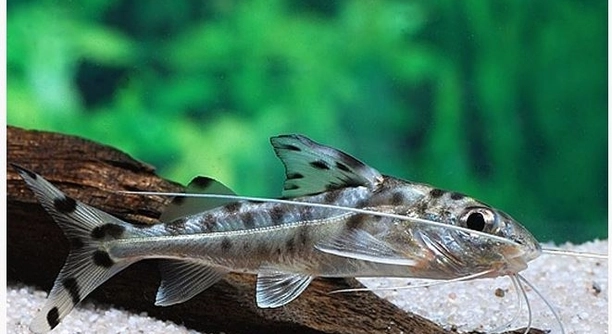
Many people enjoy keeping pictus catfish as part of their aquarium community. These active fish are interesting to watch, but they can be shy and sensitive to disturbances. Monitoring them carefully helps maintain their health and comfort.
To observe pictus catfish without causing stress, use indirect methods such as remote cameras, dim lighting, and minimal physical interaction. These approaches allow continuous monitoring while preserving the fish’s natural behavior and reducing disturbance.
Understanding gentle monitoring techniques ensures your pictus catfish stay calm and thrive in their environment. This article shares practical tips to help you watch over them with care and respect.
Use Remote Cameras for Observation
Remote cameras provide a way to watch pictus catfish without being physically present near the tank. Setting up a small camera focused on the aquarium lets you check on the fish anytime without startling them. These cameras can record video or stream live footage, making it easier to spot any changes in behavior or health. Position the camera so it covers areas where the fish usually swim or hide. Avoid shining bright lights on the tank during recording, as this can make the fish uncomfortable. Some cameras even have night vision, which helps monitor fish during darker hours without adding extra light. This method is especially useful for people who want to observe their catfish regularly without causing stress.
Remote cameras are a practical tool that helps maintain a peaceful environment for pictus catfish while keeping track of their well-being.
Using remote cameras also reduces the need to tap the glass or approach the tank, actions that might scare the fish. The constant but gentle observation helps detect early signs of illness or injury. It also allows you to watch natural behaviors like feeding and swimming patterns, which can be missed during short visits. This technology creates a balance between care and respect for the fish’s space.
Maintain Low Lighting in the Aquarium
Keeping the lighting soft and low encourages pictus catfish to behave naturally. Bright lights can stress them, causing hiding or inactivity.
Dim lighting replicates their natural environment and helps reduce stress in the aquarium. This type of lighting also makes it easier to watch them calmly. Using adjustable LED lights allows you to control brightness levels depending on the time of day. Avoid direct sunlight near the tank, as it can cause sudden light changes and unwanted algae growth. Low lighting supports a calm atmosphere, which is essential for sensitive fish like pictus catfish. A dim tank also makes it easier to spot healthy behavior without disturbing the fish with sudden light shifts.
The right lighting can improve both fish health and your viewing experience.
Limit Physical Interaction with the Tank
Minimizing physical contact with the tank reduces stress on pictus catfish. Avoid tapping the glass or frequent movements around the aquarium. Sudden noises or vibrations can make the fish nervous and affect their health. Instead, try to observe quietly from a distance when possible. This creates a calm environment that supports their well-being. If you need to feed or clean the tank, do so gently and without rushing. A calm approach helps the fish stay comfortable and less startled. Consistent, gentle care makes a difference in how pictus catfish respond to their surroundings. Respecting their space encourages natural behavior and reduces the chance of injury or illness. This simple practice is key for long-term care and peaceful observation.
Create Hiding Spots in the Aquarium
Pictus catfish feel safer when they have places to hide. Adding plants, rocks, or decorations gives them shelter and reduces stress.
Providing enough hiding places helps pictus catfish feel secure and display natural behavior. These spots give the fish a refuge if they feel threatened or stressed. Natural hiding areas also encourage more active swimming when the fish feel comfortable. Using smooth stones and live or artificial plants can improve the tank’s environment. Arrange decorations to create small caves or shaded areas without overcrowding the tank. This setup helps reduce aggression from other fish and offers the pictus catfish a chance to rest safely. It also makes it easier to monitor their health as they will show up naturally when comfortable. A well-structured tank supports both the fish’s physical and mental health, making it a better habitat overall.
Hiding spots are essential for a balanced aquarium where pictus catfish can thrive.
Minimize Tank Disturbances
Keep the aquarium environment stable by avoiding sudden changes. Loud noises or vibrations can scare pictus catfish and disrupt their routine.
Routine maintenance should be done calmly and slowly. Avoid rapid water changes or strong currents that could stress the fish. When feeding, use a consistent schedule and amount to prevent overfeeding or leftover food, which can affect water quality. Monitoring water parameters like temperature and pH regularly helps maintain a safe habitat. Sudden disturbances can cause hiding or erratic swimming, so creating a quiet and stable environment supports their well-being.
Limiting disturbances allows pictus catfish to remain calm and display natural behaviors, which makes monitoring their health easier and more accurate.
Use Feeding as an Observation Time
Feeding time is a good chance to observe pictus catfish closely. Their response to food can reveal a lot about their health.
During feeding, watch how actively the fish approach the food. Healthy pictus catfish usually swim eagerly toward feeding spots. Slow or hesitant feeding behavior can indicate stress or illness. Using sinking pellets or wafers suited for bottom feeders encourages natural foraging. Avoid overcrowding the tank at feeding times to reduce competition and stress. Observation during feeding also helps detect any physical changes like spots or injuries. Feeding sessions provide a low-stress way to check on their condition while keeping them comfortable.
Consistent feeding routines combined with careful observation promote good health and help identify issues early before they become serious.
Observe from a Distance
Watching pictus catfish from a distance reduces stress and helps them behave naturally. Avoid standing too close or making sudden movements.
Using binoculars or zoom features on your phone or camera allows clear observation without getting near the tank. This keeps the fish calm and shows their true behavior.
Regularly Check Water Quality
Maintaining good water quality is crucial for pictus catfish health. Test parameters like ammonia, nitrites, nitrates, pH, and temperature frequently.
Poor water conditions can cause stress and illness, making monitoring essential. Consistent water testing helps prevent problems and keeps the fish comfortable. Adjust water changes based on test results to maintain a stable environment.
Avoid Frequent Tank Rearranging
Constantly changing the tank setup can confuse and stress pictus catfish. Keep decorations and hiding spots stable.
A consistent environment helps fish feel secure and supports natural behaviors, making monitoring easier and less disruptive.
FAQ
How can I tell if my pictus catfish is stressed?
Signs of stress include hiding more than usual, erratic swimming, loss of appetite, and faded coloration. If your fish seems less active or avoids open areas in the tank, it could be feeling uncomfortable. Stress often results from poor water quality, sudden changes, or frequent disturbances. Watching these behaviors calmly and without disturbing the fish can help you spot early signs of stress.
What is the best way to feed pictus catfish without disturbing them?
Use sinking pellets or wafers designed for bottom feeders, and scatter food gently in their preferred areas. Feeding at consistent times helps the fish settle into a routine, making them less likely to be startled. Avoid overfeeding, as leftover food harms water quality and stresses fish. Feeding quietly and calmly reduces sudden movements that can disturb them.
Can I use a smartphone camera to monitor my fish?
Yes, smartphones are a convenient way to observe your pictus catfish remotely. Using zoom or video mode, you can watch their behavior without getting too close. Make sure the flash is off to avoid startling them. Placing the phone on a stable surface near the tank allows hands-free observation over time.
How often should I test my aquarium water?
Testing water weekly is a good practice to keep conditions stable. Check ammonia, nitrites, nitrates, pH, and temperature regularly. Sudden shifts in these parameters can stress pictus catfish and lead to illness. Frequent testing lets you catch problems early and adjust water changes or filtration accordingly.
Are pictus catfish okay with dim lighting all the time?
Pictus catfish prefer dim lighting because it mimics their natural habitat and reduces stress. However, having a light cycle with some daylight and darkness is important to maintain a healthy environment. Use adjustable LED lights to provide a gentle day-night rhythm, keeping brightness low during active periods.
Why do pictus catfish hide so much?
Hiding is a natural behavior, especially if they feel threatened or stressed. Providing enough plants, caves, or decorations creates safe spots for them to retreat. If your catfish hides constantly, check water quality and tank disturbances. Ensuring a calm and stable environment encourages them to explore more.
How can I reduce noise around the aquarium?
Keep the aquarium in a quiet area away from loud appliances or frequent human activity. Avoid tapping on the glass or banging near the tank. Soft background noise, like gentle music, may be less disturbing. Reducing noise helps pictus catfish stay relaxed and behave normally.
Is it okay to rearrange decorations regularly?
No, frequent changes to tank layout can stress pictus catfish. They rely on familiar hiding spots and landmarks. If you must rearrange, do it slowly and avoid removing too many hiding places at once. A stable environment supports their comfort and natural behaviors.
What should I do if my pictus catfish stops eating?
Loss of appetite can be a sign of stress or illness. First, check water quality and tank conditions. Observe for other symptoms like spots, lethargy, or unusual swimming. If everything seems normal, try offering different foods like live or frozen bloodworms. If the problem continues, consult a veterinarian or experienced aquarist.
Can I monitor pictus catfish at night?
Yes, using low-light or infrared cameras allows night observation without disturbing the fish. Pictus catfish are more active during dawn, dusk, and night, so watching them at these times gives insight into their natural behavior. Avoid turning on bright lights during night monitoring to keep their environment calm.
How do I balance monitoring and giving fish space?
Use indirect observation tools like cameras and watch from a distance. Keep feeding and maintenance routines gentle and consistent. Avoid tapping or sudden movements near the tank. Respecting their space while checking for changes helps maintain their health without causing stress.
Monitoring pictus catfish without disturbing them is important for their health and happiness. These fish are naturally shy and sensitive to sudden changes or loud noises. When they feel safe and calm, they show their true behavior and stay healthier. Using gentle methods to observe them helps keep their stress low. It also allows you to notice if anything is wrong early on, so you can act quickly. By respecting their space and keeping the environment steady, you create a better home for your catfish.
Keeping the aquarium environment stable involves several key steps. Low lighting, quiet surroundings, and a steady tank setup all contribute to a peaceful atmosphere for pictus catfish. Adding places for them to hide, like plants or decorations, gives them a sense of security. It’s best to avoid tapping the glass or making sudden movements near the tank, as these actions can scare them. Feeding them gently and regularly also supports a calm routine. Regularly checking the water quality ensures the environment stays healthy and safe. Together, these practices help your catfish thrive and make monitoring easier.
Simple tools like remote cameras or using your phone to watch the tank from a distance can be very helpful. These allow you to check on your fish without getting too close or causing stress. Watching during feeding times or at night with low light can give you a better understanding of their natural habits. Always approach care with patience and respect. With these methods, you can enjoy observing your pictus catfish while keeping their well-being the top priority. This balance makes a positive difference for both the fish and you as a caretaker.

Hello,
If you enjoy the content that we create, please consider saying a "Thank You!" by leaving a tip.
Every little bit helps us continue crafting quality advice that supports the health, happiness, and well-being of pets around the world, for pets of all shapes, sizes, and species.
We really appreciate the kindness and support that you show us!