
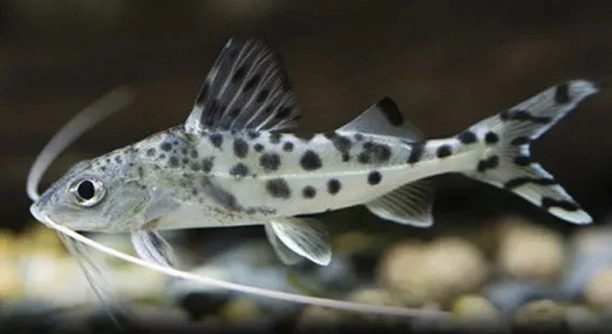
Many fish owners enjoy learning about how their pets react to the environment around them. Pictus catfish are popular freshwater fish often kept in home aquariums. They have unique behaviors that can make them interesting to observe.
Pictus catfish have sensory abilities that allow them to detect changes in water conditions related to weather shifts. These fish respond to variations in pressure and temperature, which are common before storms or changes in the weather. This sensitivity helps them adjust their behavior accordingly.
Exploring how these fish sense weather changes can help you better understand their needs and improve their care. Knowing what affects them leads to a healthier environment for your aquarium friends.
How Pictus Catfish Detect Weather Changes
Pictus catfish use their sensitive barbels and lateral line system to detect changes in their environment. These organs help them sense pressure shifts and vibrations in the water. Before a storm, the atmospheric pressure drops, and this change is transferred to the water. Pictus catfish pick up on this difference, often becoming more active or hiding depending on the severity of the change. Temperature changes also play a role, as these fish are used to stable water conditions. Sudden drops or rises can signal an approaching weather event. Their natural habitat often includes rivers and streams where weather changes impact water flow and conditions. In an aquarium, these signs may be less obvious, but sensitive fish like the pictus catfish still react to changes in the air or water around them. This ability helps them stay safe and adjust their behavior to new conditions.
Their sensing abilities give insight into their natural instincts for survival and comfort.
Understanding these responses allows owners to create a more stable environment that respects their natural tendencies and improves their well-being.
Adjusting Aquarium Care Based on Weather Sensing
When pictus catfish sense weather changes, they might behave differently. You may notice they hide more or become restless. This is a natural reaction to the changes they feel. Being aware of this can help you prepare your aquarium.
Keeping water temperature stable is important, especially during seasons with rapid weather shifts. Sudden changes can stress your fish, making them more prone to illness. Regular water testing and gradual adjustments can help maintain balance. Adding aeration or a filter that stabilizes water flow can also reduce stress. When you know your catfish are sensing a storm or pressure drop, giving them a quiet and calm environment can improve their comfort. Feeding them smaller portions during these times might prevent waste and maintain water quality. These small care steps support your pictus catfish in adapting to changes while staying healthy and active in their tank.
Signs Your Pictus Catfish Show Before Weather Changes
Pictus catfish often show subtle signs before weather shifts. They may swim closer to the bottom or hide more than usual. Increased activity or restlessness is also common, reflecting their sensitivity to environmental changes.
These behavioral changes come from their natural instinct to avoid danger. Lower pressure before storms makes the water feel different, causing stress or caution. You might notice your catfish darting around or staying still for long periods. Sometimes, they become less interested in food. These signs help them prepare for rough conditions in their habitat. Watching your fish closely during these times can give clues about their comfort and health. Recognizing these signals early helps you make necessary adjustments to their environment, ensuring their well-being.
Fish may also seek shelter under decorations or plants when sensing weather changes. Providing ample hiding spots supports their natural reactions.
Managing Stress in Pictus Catfish During Weather Changes
Stress from weather-related changes can affect pictus catfish health. Sudden shifts in pressure or temperature can lead to weakened immune responses, making them vulnerable to diseases. Minimizing stress is key to keeping them healthy in your tank. Ensuring stable water parameters is the first step. Frequent monitoring and gentle adjustments reduce shock. Limiting loud noises and sudden movements around the tank also helps. Feeding easily digestible food in smaller amounts during stressful periods can prevent digestive issues. Additionally, increasing aeration improves oxygen levels, which fish need more when stressed. These care practices reduce the negative impact of weather sensing and support your pictus catfish’s resilience in changing conditions.
Preparing Your Aquarium for Weather Changes
Keeping your aquarium stable helps pictus catfish handle weather shifts better. Regular water changes and monitoring temperature are essential steps to maintain balance. Small adjustments prevent sudden stress that these fish can detect.
Using a reliable heater and thermometer ensures water stays consistent. Avoid placing the tank near windows or vents where temperature can fluctuate quickly. These simple steps create a calm environment, supporting your fish through natural weather variations.
The Role of Water Pressure in Fish Behavior
Water pressure changes before storms influence how pictus catfish behave. Lower pressure can cause them to swim slower or hide more. These responses protect them from potential threats linked to bad weather. Understanding this can guide better tank management and care practices.
Common Misconceptions About Fish and Weather
Not all fish react the same way to weather changes. Assuming all species respond like pictus catfish can lead to poor care decisions. Each fish has unique needs based on its natural habitat and biology.
Providing Safe Spaces for Pictus Catfish
FAQ
Can pictus catfish predict weather changes outside the aquarium?
Pictus catfish respond to changes in water conditions caused by shifts in atmospheric pressure and temperature, which often happen before storms or weather changes. While they don’t predict weather like humans, their sensitivity to these changes helps them react to environmental shifts inside the tank that mirror outside weather patterns.
Why do pictus catfish hide more before bad weather?
Hiding is a natural instinct to avoid danger. When the pressure drops before a storm, pictus catfish may feel stressed or unsafe, causing them to seek shelter. This behavior helps protect them from potential harm in the wild and reflects their need to feel secure during uncertain conditions.
How can I tell if my pictus catfish is stressed from weather changes?
Signs of stress include reduced appetite, hiding more than usual, erratic swimming, or staying still for long periods. They may also show changes in color or become less active. Watching their behavior closely helps you notice when they are reacting to environmental changes.
What can I do to reduce stress in pictus catfish during storms?
Maintaining stable water conditions is key. Avoid sudden temperature changes, keep the tank environment calm and quiet, and ensure good filtration and aeration. Feeding smaller portions and providing plenty of hiding spots also helps reduce stress during these times.
Do pictus catfish need extra care during seasonal weather changes?
Yes. Seasonal shifts can cause temperature fluctuations and changes in water chemistry. Regular water testing and gentle adjustments to heater settings can help keep conditions stable. Paying attention to their behavior and adjusting care routines as needed supports their health throughout the year.
Can other fish in the tank sense weather changes like pictus catfish?
Many fish have some sensitivity to environmental changes, but it varies by species. Pictus catfish are particularly responsive due to their natural habitat and biology. Other fish may show different signs or be less affected by pressure and temperature shifts.
Is it safe to feed pictus catfish less when they seem stressed?
Feeding smaller amounts during stressful periods is generally safe and can prevent water quality issues from uneaten food. However, don’t stop feeding completely unless recommended by a vet. Monitor their condition and adjust feeding based on their activity and appetite.
Why do pictus catfish become more active sometimes before a storm?
Increased activity can be a response to sensing pressure changes. It may be a way to prepare for an upcoming event or a reaction to discomfort caused by the changing environment. This behavior is normal but should be temporary.
How do pictus catfish detect pressure changes underwater?
They use a specialized lateral line system along their body that senses vibrations and pressure shifts. This system helps them detect changes in their surroundings that relate to weather or water movement, aiding their survival instincts.
Can weather changes cause illness in pictus catfish?
Indirectly, yes. Stress from rapid or extreme weather-related changes can weaken their immune system, making them more susceptible to infections. Stable care and environment are important to reduce this risk.
What type of hiding places are best for pictus catfish during stressful times?
Natural decorations like plants, caves, or smooth rocks work well. These provide shelter without overcrowding the tank. Having multiple hiding spots lets the fish choose where they feel safest during stressful weather-related changes.
Should I change the tank setup based on the seasons?
Adjusting heater settings and monitoring water parameters during seasonal changes is recommended. Major tank rearrangements can cause unnecessary stress. Instead, focus on maintaining stable water quality and temperature to help your fish cope with external weather variations.
Can I use a weather barometer to predict my fish’s behavior?
A barometer can show atmospheric pressure changes that affect your aquarium. Understanding pressure trends helps you anticipate when your pictus catfish might react. This can guide you to make care adjustments before noticeable behavior changes occur.
Pictus catfish are sensitive creatures that respond to changes in their environment, including shifts in weather. Their ability to sense changes in water pressure and temperature means they react to conditions that often signal storms or other weather events. These reactions are natural and part of their survival instincts. Understanding this can help aquarium owners provide better care by recognizing when their fish might be feeling stressed or uneasy due to such changes. Being aware of these signs allows for timely adjustments to maintain a calm and stable environment.
Keeping the aquarium stable is key to supporting pictus catfish through weather-related changes. Regular monitoring of water temperature and quality helps prevent sudden fluctuations that can upset the fish. Providing hiding places and reducing disturbances during these times can make a big difference in how comfortable the fish feel. Simple steps like gentle water changes, careful feeding, and ensuring proper aeration all contribute to lowering stress levels. This care not only helps the pictus catfish cope with environmental shifts but also supports their overall health and longevity.
While pictus catfish cannot predict weather like humans do, their natural sensitivity makes them good indicators of changes in their surroundings. Watching their behavior closely can offer insights into how the aquarium environment is changing. This awareness encourages a thoughtful approach to fish care, helping owners maintain a balanced habitat that meets the needs of these sensitive fish. Paying attention to their natural responses ensures they live in a healthier, more comfortable space, allowing them to thrive regardless of weather conditions outside the tank.

Hello,
If you enjoy the content that we create, please consider saying a "Thank You!" by leaving a tip.
Every little bit helps us continue crafting quality advice that supports the health, happiness, and well-being of pets around the world, for pets of all shapes, sizes, and species.
We really appreciate the kindness and support that you show us!