
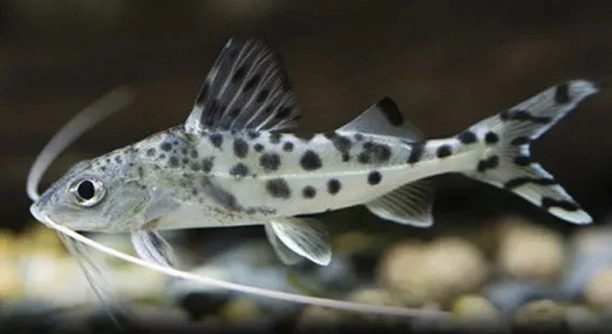
Introducing plants into a Pictus catfish tank can enhance the environment and provide natural hiding spots. Proper care is important to keep both the fish and plants healthy. This article will guide you through safe ways to add plants.
Introducing plants safely into a Pictus tank involves choosing suitable species, preparing the plants properly, and monitoring water conditions. Avoid toxic plants and ensure gradual acclimation to prevent stress or harm to the fish and ecosystem.
Knowing how to introduce plants can improve your tank’s balance and appearance. This guide will help you create a safe and thriving aquatic environment for your Pictus catfish.
Choosing the Right Plants for Your Pictus Tank
Selecting plants that thrive alongside Pictus catfish is essential. These fish prefer plants that can handle moderate water flow and occasional digging or nibbling. Hardy species like Java fern, Anubias, and Amazon sword work well because they are durable and don’t require intense lighting. Avoid delicate plants that might be uprooted easily or suffer from the catfish’s active nature. Also, steer clear of plants that release toxins or could harm your fish. It’s important to research each plant’s care requirements to ensure they match your tank’s conditions. A balanced choice helps maintain water quality and provides shelter without causing stress to your fish. Taking the time to pick the right plants will create a healthier and more natural environment.
Careful plant selection supports both fish health and tank aesthetics. Durable, low-maintenance plants are best for Pictus tanks.
Making good plant choices saves time and prevents common problems. Your tank will look better, and your catfish will feel safer with the right greenery in place.
Preparing Plants Before Adding Them to the Tank
Rinsing plants thoroughly before introducing them to the tank helps remove dirt, pests, and chemicals. Soaking plants in dechlorinated water for a few hours also helps them adjust and reduces shock when placed in your aquarium. If you notice snails or algae on the plants, gently clean them without damaging the leaves or roots. Quarantining new plants separately for a few days can prevent introducing diseases or pests to your tank. This extra step is worth the effort to keep your aquatic environment stable and healthy.
Proper preparation reduces risks to your fish and plants.
Before adding plants, remove soil and pests carefully. Soaking and quarantining plants lowers the chance of unwanted surprises later. This process protects your tank’s balance. It may seem time-consuming, but it helps your plants settle and thrive. Taking these precautions makes a big difference in maintaining water quality and fish well-being. It also gives you peace of mind knowing your tank stays safe from harmful hitchhikers. A little patience in preparation pays off with a healthier, more vibrant aquarium.
Introducing Plants Gradually to Avoid Stress
Adding plants slowly helps your Pictus catfish adjust to changes. Sudden additions can disturb water chemistry and cause stress.
Start by placing one or two plants in the tank. Observe how the fish react and monitor water parameters like pH and ammonia. Gradual introduction prevents sudden shifts that might upset the tank’s balance. Keep an eye on the plants’ condition to ensure they are adapting well. Over time, add more plants in small steps, allowing the tank environment to stabilize between each addition. This careful approach protects both fish and plants from unnecessary stress and helps maintain a healthy aquarium.
Slow changes reduce risk of shock for your catfish.
Patience during plant introduction gives fish time to get used to new surroundings. Sudden large additions might cause water chemistry swings. This can lead to stress or illness. By adding plants one at a time, you ensure a steady transition. Regular water testing helps catch any issues early. Watching fish behavior is also important; if they seem uneasy, slowing down the process is best. A steady pace in planting supports long-term tank health and keeps your catfish comfortable.
Monitoring Water Quality After Adding Plants
Keeping water quality stable is crucial after adding new plants. Check ammonia, nitrite, and nitrate levels often during the first weeks. Plants can affect nutrient levels and sometimes cause small fluctuations in water chemistry. Use a reliable test kit to track these changes. Ensure your filter is working efficiently to maintain clear, healthy water. Regular partial water changes help keep parameters balanced. Watch for signs of stress in your Pictus catfish, such as hiding or reduced activity, which may indicate water issues. Early detection allows quick action to prevent bigger problems. Consistent monitoring helps maintain a safe environment for all tank inhabitants.
Keeping Plants Secure in the Substrate
Anchoring plants firmly prevents them from being uprooted by Pictus catfish. Use heavier substrates or plant weights for better stability.
Grouping plants in sheltered spots reduces disturbance. Dense planting helps protect delicate roots and keeps plants in place.
Providing Adequate Lighting and Nutrients
Balanced lighting is important for plant growth without stressing your fish. Moderate light levels suit most Pictus tanks and help prevent algae buildup. Use plant fertilizers carefully to supply essential nutrients. Avoid over-fertilizing, which can harm fish and promote unwanted algae growth. Regularly remove dead leaves to keep the tank clean and maintain good water quality. Proper light and nutrient management support healthy, thriving plants that benefit your entire aquarium ecosystem.
Observing Fish Behavior with New Plants
Watch how your Pictus catfish interact with the plants. Changes in behavior can indicate comfort or stress.
FAQ
How do I know if my plants are safe for Pictus catfish?
Choose plants known for being hardy and non-toxic. Species like Java fern, Anubias, and Amazon sword are generally safe. Avoid plants with sharp edges or those that release chemicals harmful to fish. Research each plant’s care requirements and compatibility with Pictus catfish before adding them to your tank.
Can Pictus catfish harm the plants?
Pictus catfish are active swimmers and may dig in the substrate, which can disturb plant roots. However, they rarely eat plants directly. Using sturdy plants with strong root systems and securing them well in the substrate helps reduce damage. Dense planting also protects delicate plants from being uprooted.
What is the best way to prepare new plants before adding them to the tank?
Rinse new plants thoroughly to remove dirt, pests, and chemicals. Soak them in dechlorinated water for a few hours to help acclimate. Quarantining plants separately for a few days can prevent introducing diseases or unwanted pests to your aquarium.
How often should I test water quality after adding plants?
Test water parameters like ammonia, nitrite, nitrate, and pH at least twice a week during the first few weeks after adding new plants. Plants can affect nutrient levels, and close monitoring helps catch any imbalances early to keep your fish safe.
Do I need special lighting for plants in a Pictus tank?
Moderate lighting usually works best. Pictus catfish prefer dimmer conditions, so avoid very bright lights. Most hardy plants used in these tanks don’t need intense lighting. Using a timer to provide consistent light periods helps prevent algae growth and supports healthy plant growth.
Can adding plants improve the health of my Pictus catfish?
Yes, live plants improve water quality by absorbing nitrates and producing oxygen. They also provide hiding spots, which reduces fish stress. A well-planted tank creates a more natural environment, promoting better behavior and overall health in Pictus catfish.
What should I do if algae starts growing on my plants?
Algae can grow when there is too much light or excess nutrients. Reduce lighting duration or intensity and avoid over-fertilizing. Regular water changes help control nutrient buildup. You can also introduce algae-eating species that are safe with Pictus catfish, or manually remove algae from plant leaves.
Is it normal for plants to shed leaves after being added?
Some leaf loss is common as plants adjust to new conditions. Dead or damaged leaves should be removed to prevent decay and maintain water quality. Healthy plants will grow new leaves once they settle in the tank environment.
How can I tell if my Pictus catfish is stressed by the new plants?
Watch for signs like hiding excessively, reduced activity, or loss of appetite. These may indicate discomfort with changes in the environment. If stress appears, slow down plant introductions and check water quality to ensure conditions remain stable.
Can I use artificial plants instead of live ones?
Artificial plants don’t offer the same benefits as live plants, such as oxygen production and nutrient absorption. However, they can provide hiding spots without the risk of damaging roots. If using artificial plants, clean them regularly to prevent algae buildup and maintain tank hygiene.
Final Thoughts
Adding plants to a Pictus catfish tank can improve the overall environment and create a more natural feel. Plants offer shelter and hiding spots that help reduce stress for your fish. They also contribute to better water quality by absorbing nutrients and producing oxygen. However, it is important to choose the right plants and introduce them carefully to avoid upsetting the balance of your aquarium. Taking time to select hardy, compatible plants makes a big difference in how well they will grow alongside your Pictus catfish.
Proper preparation before adding plants is key to keeping the tank healthy. Rinsing and soaking plants helps remove any dirt, pests, or chemicals that might harm your fish. Quarantining new plants before placing them in the main tank is also a good step to prevent introducing diseases. When adding plants, doing so slowly allows your fish to adjust without stress. Regular monitoring of water quality during this time helps catch any changes that could affect your fish or plants. This cautious approach reduces problems and supports a balanced, thriving aquarium.
Maintaining good conditions after adding plants keeps everything running smoothly. Providing moderate lighting and proper nutrients encourages healthy plant growth without causing algae problems. Anchoring plants well protects roots from being disturbed by active Pictus catfish. Watching your fish’s behavior and checking water parameters regularly helps identify any issues early. While plants add beauty and benefits to your tank, caring for them with attention and patience ensures both plants and fish stay healthy. Following these steps will help you create a safe and comfortable home for your Pictus catfish with the natural touch of live plants.

Hello,
If you enjoy the content that we create, please consider saying a "Thank You!" by leaving a tip.
Every little bit helps us continue crafting quality advice that supports the health, happiness, and well-being of pets around the world, for pets of all shapes, sizes, and species.
We really appreciate the kindness and support that you show us!