
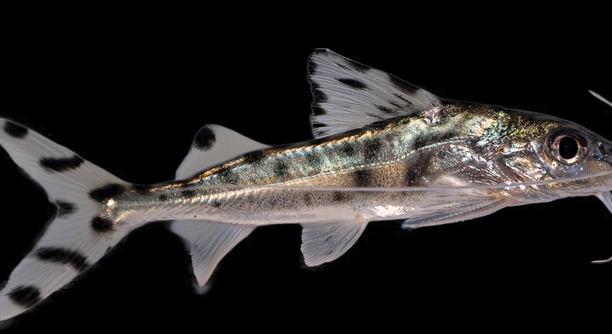
Is your pictus cat no longer using its usual hiding spots? This change in behavior can be puzzling and might signal something important about your pet’s well-being. Understanding why this happens is essential for providing proper care.
Pictus cats may stop hiding due to changes in their environment, health issues, or stress factors. Monitoring their behavior and ensuring a stable habitat helps identify underlying causes and supports their comfort and safety in the home.
Recognizing the reasons behind this behavior shift can help improve your pictus cat’s quality of life and restore its sense of security.
Reasons Your Pictus Stops Using Hiding Spots
Pictus cats rely on hiding spots to feel safe and secure. When they stop using these places, it usually means something has changed. This could be due to illness, changes in their environment, or stress. For example, new people or pets in the house may cause them to feel uneasy. Sometimes, if their hiding spot is moved or cleaned too often, they might avoid it. Health problems like pain or discomfort can also make them less likely to hide. It’s important to watch for other signs like changes in appetite or energy. Addressing these issues quickly helps your pictus feel comfortable again. Maintaining a calm, stable environment supports their natural instincts and encourages them to use hiding spots as before.
Changes in the home or health can disrupt your pictus cat’s use of hiding places. Observation is key to understanding this behavior.
By paying close attention to your pictus’s habits and environment, you can identify what has caused the change. Ensuring their hiding spots are quiet, undisturbed, and accessible encourages them to return. If illness is suspected, a visit to the vet is essential. Keep the area familiar with their scent by avoiding frequent cleaning or moving. Reducing loud noises and stressors helps as well. Sometimes, adding new hiding spots or cozy covers can make them feel more secure. Small adjustments can restore your pictus’s confidence and comfort.
How to Encourage Your Pictus to Use Hiding Spots Again
Creating a calm and predictable environment encourages your pictus to feel safe. Consistency in daily routines helps reduce stress and anxiety.
Start by placing their favorite hiding spot in a quiet area away from heavy foot traffic. Avoid moving it frequently. Use familiar blankets or toys to make the space inviting. Spend time nearby without disturbing them, allowing your pictus to explore the spot at their own pace. If stress is from other pets, consider separating them during this time. Offering treats or gentle praise when they approach the hiding spot can build positive associations. Patience is essential, as some cats take time to adjust. These small steps help rebuild trust and security, encouraging your pictus to return to their safe space and feel at ease again.
Signs Your Pictus May Be Unwell
Sudden changes in hiding behavior often signal health issues. Watch for other symptoms like lethargy, loss of appetite, or unusual vocalizations. Early detection can prevent more serious problems.
Illness can make your pictus uncomfortable and less likely to seek their usual hiding spots. They may seem less active, eat less, or hide in unusual places. Some cats stop hiding because they want to be near you when they don’t feel well. It’s important to observe any additional signs such as vomiting, diarrhea, or changes in grooming habits. These symptoms, combined with altered hiding behavior, suggest it’s time to consult a veterinarian. Prompt care can help address the root cause and improve your cat’s health.
Stress can also affect hiding habits, but distinguishing between stress and illness is important. If your cat shows signs of discomfort or pain, medical attention should be the priority. Keeping a close eye on their behavior allows you to act quickly if their health worsens.
Environmental Changes That Affect Hiding
Moving furniture, adding new pets, or rearranging rooms can disrupt your pictus’s comfort. These changes can cause anxiety, leading to altered hiding behaviors.
Cats are creatures of habit, and sudden changes in their environment can unsettle them. Your pictus might avoid hiding spots if they feel unsafe or exposed. New household members, loud noises, or renovations can increase stress. It helps to introduce changes gradually and maintain some familiar elements. Providing additional hiding places or quiet zones can give your cat options to retreat. Using pheromone diffusers may reduce anxiety, helping your pictus adjust more easily. The goal is to create a space where your cat feels secure despite changes.
Offering a consistent routine alongside environmental adjustments helps your pictus regain a sense of stability. Over time, they will feel more comfortable and return to using their hiding spots naturally.
Adjusting to New Hiding Spots
Introducing new hiding spots can help your pictus feel safe if they avoid old ones. Choose quiet, cozy areas that feel secure and private.
Place soft blankets or familiar toys inside these spots to encourage exploration. Avoid forcing your cat into the space, letting them choose when to investigate.
When to Seek Veterinary Help
If your pictus stops hiding suddenly and shows other signs like vomiting, loss of appetite, or lethargy, a veterinary visit is necessary. These symptoms may indicate underlying health issues needing professional care.
Early diagnosis can prevent worsening conditions. Do not delay in seeking advice if behavior changes persist or worsen. Your vet can guide appropriate treatment and help your cat feel better.
Using Pheromones to Reduce Stress
Pheromone diffusers mimic natural feline scents and can create a calming environment. They help reduce anxiety that might cause hiding spot avoidance.
Regular use supports a sense of security and encourages normal behavior.
Maintaining Routine for Stability
Consistent feeding times and quiet play periods help your pictus feel stable. Predictability eases stress and supports healthy habits.
FAQ
Why has my pictus stopped using its usual hiding spots?
Changes in hiding behavior often reflect shifts in your cat’s environment, health, or stress levels. Illness, new pets or people, loud noises, or rearranged furniture can make your pictus feel less secure. Sometimes, they avoid a hiding spot if it’s been moved or cleaned too often.
How can I tell if my pictus is sick or just stressed?
Watch for signs like loss of appetite, vomiting, diarrhea, lethargy, or changes in grooming. These symptoms usually point to illness. Stress might show as hiding, restlessness, or aggression but without physical symptoms. If unsure, it’s best to consult a vet.
Can I create new hiding spots for my pictus?
Yes, adding quiet, cozy, and private spots helps. Use soft blankets or toys to make these places inviting. Let your cat explore them at their own pace without pressure.
How long does it take for a pictus to adjust to environmental changes?
Adjustment times vary. Some cats adapt within days, others take weeks. Consistency and patience help. Keeping routines steady and offering calm spaces speeds recovery.
Are pheromone diffusers safe for pictus cats?
Yes, pheromone diffusers mimic natural calming scents and are safe for most cats. They reduce anxiety and help cats feel more secure. Follow product instructions for best results.
What should I do if my pictus refuses to hide even after I create new spots?
Continue observing behavior for other signs of distress or illness. Ensure the environment is calm and avoid forcing the cat. If hiding refusal continues with other symptoms, consult a vet.
Is it normal for a pictus to stop hiding sometimes?
Occasional changes can happen as your cat grows more confident or curious. However, sudden or prolonged refusal to hide can signal stress or health issues.
Can diet affect my pictus’s hiding behavior?
Diet itself rarely changes hiding habits directly but poor nutrition can impact health and energy levels, which might affect behavior. Provide balanced, high-quality food to support overall well-being.
Should I separate my pictus from other pets if it stops hiding?
If other pets cause stress, separation can help. Give your pictus quiet spaces away from others. Gradually reintroduce pets once your cat feels safe again.
How often should I clean my pictus’s hiding spots?
Cleaning should be gentle and infrequent to preserve familiar scents. Too much cleaning can make hiding spots less appealing. Use mild products and avoid strong smells.
Can changes in weather affect hiding behavior?
Yes, some cats hide more during storms or cold weather to seek warmth and safety. Provide cozy spots to help them feel secure during such times.
What are signs of anxiety in pictus cats?
Anxiety may show as pacing, excessive grooming, vocalizing, hiding more than usual, or aggression. Addressing environmental stressors and using calming aids can help.
Is it helpful to play with my pictus to reduce hiding?
Yes, gentle play encourages confidence and reduces stress. Use toys your cat enjoys and keep sessions calm and positive.
How can I encourage my pictus to return to its hiding spots?
Make the spots inviting with favorite toys or blankets. Avoid disturbances nearby and reward your cat’s curiosity with gentle praise or treats. Patience is key.
When should I consider professional help for behavioral issues?
If your pictus shows prolonged changes in hiding, eating, or activity despite your efforts, seek advice from a vet or animal behaviorist. Early help improves outcomes.
Changes in a pictus cat’s hiding behavior can be concerning, but understanding the reasons behind these changes is important. Cats rely on hiding spots to feel safe and secure, so when they stop using them, it often signals that something has shifted in their environment or health. This change may be caused by illness, stress, or adjustments in their surroundings. Observing your pictus carefully and noting any other behavior changes can help you determine the best course of action. Whether it means making small changes at home or seeking veterinary care, addressing the issue early can help your cat feel comfortable again.
Creating a stable and calm environment is key to encouraging your pictus to return to their hiding spots. Cats thrive on routine, so maintaining consistent feeding times, quiet resting areas, and familiar scents around their safe spaces makes a big difference. When introducing new hiding spots, patience is essential. Give your cat time to explore and accept these spaces without pressure. Using tools like pheromone diffusers can also help reduce anxiety. Small adjustments like these support your cat’s natural instincts and make their home feel more secure, which can improve their overall well-being.
If your pictus’s behavior does not improve or if you notice signs of illness, professional help is necessary. A veterinarian can check for health problems that might be causing discomfort or stress. Sometimes, medical issues are the root cause of changes in behavior. Addressing these quickly ensures better recovery and helps your cat feel safe again. Keeping a close eye on your pictus and making thoughtful changes at home shows your care and commitment to their happiness and health. With time and attention, most cats will return to their familiar hiding spots and feel more secure in their environment.

Hello,
If you enjoy the content that we create, please consider saying a "Thank You!" by leaving a tip.
Every little bit helps us continue crafting quality advice that supports the health, happiness, and well-being of pets around the world, for pets of all shapes, sizes, and species.
We really appreciate the kindness and support that you show us!