
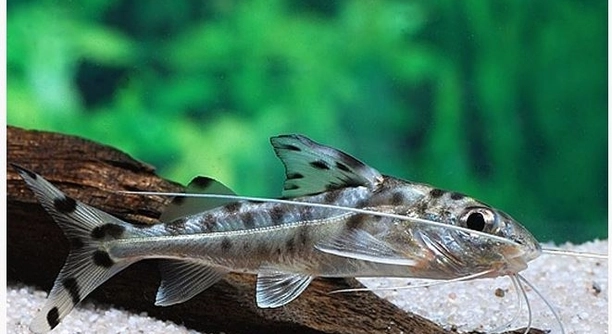
Dim lighting can create a calm environment for Pictus catfish, a popular aquarium species known for their active behavior and distinctive appearance. Many aquarists seek ways to improve the well-being of these fish in home tanks.
Dim lighting benefits Pictus catfish by reducing stress, encouraging natural nocturnal behavior, and enhancing their coloration. It also helps maintain water quality by limiting algae growth and supports their overall health and activity patterns.
Exploring these benefits can help improve the care you provide and create a better habitat for your Pictus catfish. Understanding the lighting needs is key to their long-term comfort and vitality.
Creating a Stress-Free Environment
Pictus catfish are naturally nocturnal and prefer low light conditions in their habitat. Bright lighting can cause them stress, leading to hiding or erratic swimming. Dim lighting mimics their natural environment and helps reduce anxiety. When the tank light is softened, these fish feel safer and behave more naturally. This calm setting encourages them to explore the tank instead of hiding. Providing places with shade or plants also helps simulate the dim conditions they favor. A peaceful environment supports their immune system, lowering the chance of illness. Aquarists often notice that Pictus catfish are more active and responsive when lighting is adjusted to their needs. Taking the time to set up proper lighting creates a better home for these fish and makes observing them more enjoyable.
Stress reduction improves overall fish health, preventing common problems linked to poor lighting.
Adjusting lighting properly not only benefits the fish’s mood but also helps them maintain consistent activity levels, which is important for their growth and well-being.
Enhancing Coloration and Appearance
Pictus catfish display their best colors under softer lighting conditions. Strong lights can wash out their natural silver and black spots, making them less vibrant. Dim lighting allows their unique patterns to stand out more clearly. This lighting also helps avoid sudden changes in brightness, which can cause dullness in their scales. Consistent, low light encourages natural pigment retention, so their appearance remains sharp. Over time, aquarists can see a clear difference in how lively and attractive their fish look. Proper lighting also minimizes reflections on the glass, making it easier to enjoy the fish’s beauty without glare or distortion.
Maintaining dim lighting supports the visual appeal and overall health of Pictus catfish, making them a stunning addition to any aquarium.
With softer light, these fish show off their best colors while staying comfortable in their environment.
Supporting Natural Nocturnal Behavior
Pictus catfish are more active at night. Dim lighting aligns with their natural rhythm and encourages this behavior.
Their nocturnal habits mean they prefer to swim and hunt when light levels are low. Bright tank lights disrupt their schedule and can cause stress or hiding. When lighting is reduced, they become more confident and display natural activity like foraging or exploring. This natural behavior is important for their physical and mental health. Supporting their night-time habits helps them stay active and healthy.
Adjusting tank lighting to a dim setting mimics the fish’s native environment. This creates a space where they can thrive and express behaviors typical for their species. It benefits not only their well-being but also the enjoyment of watching them in a comfortable, natural state.
Limiting Algae Growth
Dim lighting slows algae growth by reducing the amount of light available for photosynthesis. This helps keep the tank cleaner.
Excessive algae can quickly take over an aquarium, making it harder to maintain water quality. By using dimmer lights, you limit algae’s ability to multiply. This reduces the need for frequent cleanings and water changes. Cleaner tanks provide a healthier environment for Pictus catfish and other tank inhabitants.
Lower light levels also support the growth of beneficial bacteria that break down waste. This balance makes the tank more stable. Controlling algae through lighting is a simple way to reduce maintenance and support a healthy aquarium ecosystem.
Reducing Aggression Among Tank Mates
Dim lighting can help lower aggression in community tanks. Bright light often makes fish more territorial and stressed.
By softening the lighting, fish feel less threatened. This encourages peaceful interactions and reduces fighting.
Improving Sleep Patterns
Pictus catfish need a clear day-night cycle to rest properly. Dim lighting helps establish this natural rhythm.
Consistent low light during their active phase followed by darkness allows them to sleep well. Good rest supports their immune system and overall health.
Saving Energy and Costs
Using dimmer lights consumes less electricity, lowering energy bills. This makes aquarium care more economical and eco-friendly.
FAQ
How dim should the lighting be for Pictus catfish?
The lighting should be low enough to mimic their natural environment but not so dark that it becomes hard to see them. A dim setting is usually achieved by using low-wattage bulbs or adjustable LED lights. Providing shaded areas or plants also helps create spots where light is softer, allowing the fish to retreat when they want. This balance keeps the tank comfortable for the catfish while still allowing you to enjoy watching them.
Can Pictus catfish survive in complete darkness?
Complete darkness is not ideal for Pictus catfish. While they prefer dim lighting, they still need a regular day-night cycle to stay healthy. Darkness for too long can disrupt their natural behaviors and sleep patterns. It’s best to have a low level of ambient light during their active period and total darkness only during their resting time, replicating natural conditions.
Will dim lighting affect plant growth in the aquarium?
Dim lighting can slow down the growth of some aquatic plants, especially those that require strong light. However, many low-light plants like Java fern, Anubias, and mosses thrive well in softer lighting. Choosing these plants ensures the tank remains healthy and visually appealing without increasing the light intensity too much.
How does dim lighting affect algae control?
Lower light levels reduce algae growth because algae rely on light for photosynthesis. By keeping the lighting dim, algae are less likely to bloom uncontrollably. This reduces cleaning frequency and helps maintain better water quality, which benefits all the tank inhabitants, including Pictus catfish.
Is dim lighting enough for Pictus catfish to find their food?
Yes, Pictus catfish have good eyesight adapted for low light environments. They use their barbels to sense food in the substrate, making dim lighting suitable for their feeding habits. Feeding during lower light conditions often encourages natural foraging behavior, which can be rewarding to observe.
What type of light bulbs work best for a Pictus catfish tank?
LED bulbs with adjustable brightness settings are ideal because they allow control over the light intensity. Using bulbs with a color temperature around 5000-6500K replicates natural daylight but can be dimmed to meet the catfish’s needs. Avoid strong, harsh lighting like direct halogen bulbs that may stress the fish.
Can other fish in the tank tolerate dim lighting?
Many fish species can adapt to dim lighting, especially those that are nocturnal or prefer shaded areas. However, some species may require brighter light for their well-being or to maintain their coloration. It’s important to choose compatible tank mates that thrive under similar lighting conditions to avoid stress and aggression.
How long should the lights be on each day?
A typical aquarium light schedule for Pictus catfish is about 8 to 10 hours of light daily. This duration supports their natural rhythms and prevents algae from growing too much. It also leaves enough time for darkness to allow proper rest. Using timers helps keep the schedule consistent.
Does dim lighting help reduce stress during tank maintenance?
Yes, dim lighting creates a calmer environment during maintenance, reducing fish stress. Bright lights combined with sudden movements can cause panic. Keeping lights low or off during water changes and cleaning makes the process smoother for the fish.
Can I use floating plants to help with lighting control?
Floating plants are an excellent natural way to reduce light intensity in the tank. They create shaded areas beneath their leaves, offering Pictus catfish places to hide from bright light. Plants like duckweed or water lettuce float on the surface and help moderate light without complicated equipment.
What signs show that lighting is too bright for Pictus catfish?
Signs include the fish hiding constantly, staying at the bottom or in shaded corners, or showing signs of stress like rapid breathing or erratic swimming. If the fish avoid well-lit areas and only come out during dim conditions, it’s a good indicator that the lighting needs adjustment.
Is it okay to have a night light in the aquarium?
A very dim night light can help maintain a natural day-night cycle without disturbing the fish’s rest. Blue or red LED lights are often used for this purpose because they don’t interfere with the catfish’s nocturnal behavior as much as white light would.
How can I balance lighting for Pictus catfish and aquarium plants?
Choose low-light plants that thrive under dim conditions, and use adjustable lighting to meet both plant and fish needs. Supplementing with nutrient-rich substrate or fertilizers supports plant health without raising light intensity. This balance helps keep the tank attractive and comfortable for all inhabitants.
What is the best way to transition Pictus catfish to dim lighting?
Gradually reduce the light intensity over several days or weeks to avoid shocking the fish. Sudden changes can cause stress. Using a dimmer or moving the tank to a less bright room can help the fish adjust smoothly.
Will dim lighting extend the lifespan of Pictus catfish?
While lighting alone doesn’t guarantee longer life, reducing stress through proper lighting contributes to overall health and longevity. Stress weakens the immune system, so providing a comfortable environment supports their well-being and can help them live longer.
How often should I replace aquarium bulbs for optimal lighting?
Light bulbs, especially LEDs, usually last a long time but should be replaced every 1 to 2 years to maintain consistent brightness and spectrum. Over time, bulbs lose intensity, which can affect both fish and plant health.
Can dim lighting improve the behavior of shy Pictus catfish?
Yes, softer lighting encourages shy fish to come out of hiding and be more active. It creates a less intimidating environment where they feel safer to explore, feed, and interact with other tank mates. This improves their quality of life and makes them easier to observe.
Are there any risks to keeping the tank too dim?
If lighting is too dim for extended periods, it can negatively affect plant growth and make it harder to spot health issues early. Also, very low light can interfere with the fish’s natural rhythms. It’s important to find a balanced level that supports fish and plants while keeping the tank visually accessible.
How important is a lighting schedule for Pictus catfish?
A consistent lighting schedule helps maintain natural biological rhythms, reduces stress, and supports healthy behavior. Irregular light patterns confuse the fish and can lead to health problems over time. Using timers ensures the lights go on and off at the same time daily.
Does dim lighting affect the breeding of Pictus catfish?
Pictus catfish do not breed easily in home aquariums, and lighting plays a minor role. However, a stable environment with low stress, which includes proper lighting, can create better conditions if breeding attempts occur. Sudden changes in lighting may discourage breeding behaviors.
Dim lighting plays a significant role in the well-being of Pictus catfish. These fish are naturally adapted to low light environments, so replicating those conditions in the aquarium helps them feel comfortable and secure. When the lighting is too bright, it can cause stress, making the fish hide or behave unnaturally. By using dim lighting, you create a setting that matches their natural habitat, encouraging healthier behavior. This simple adjustment can make a noticeable difference in how active and calm the catfish appear.
Proper lighting also impacts the overall health of the aquarium. Dim lighting slows down the growth of algae, which can otherwise take over the tank and cause water quality issues. It supports the balance of the ecosystem by allowing beneficial bacteria to thrive while keeping unwanted algae in check. Additionally, softer light helps aquatic plants that prefer low light to grow steadily without requiring intense brightness. Maintaining this balance improves the environment for all tank inhabitants, not just the Pictus catfish.
Lastly, dim lighting benefits both the fish and the aquarium keeper. It helps reduce energy consumption since lower light levels use less electricity. This can make caring for the tank more affordable and environmentally friendly. At the same time, dim lighting allows for better observation of the fish’s natural behaviors, enhancing the enjoyment of keeping Pictus catfish. By considering their lighting needs carefully, you create a healthier and more natural home for your fish, supporting their long-term health and happiness.

Hello,
If you enjoy the content that we create, please consider saying a "Thank You!" by leaving a tip.
Every little bit helps us continue crafting quality advice that supports the health, happiness, and well-being of pets around the world, for pets of all shapes, sizes, and species.
We really appreciate the kindness and support that you show us!