
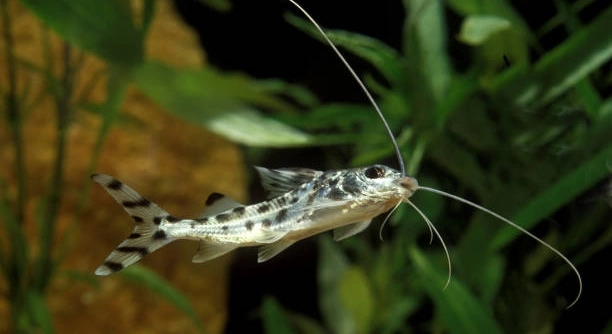
Do you have a Pictus catfish or are thinking about getting one? These active fish need the right tank to thrive. Choosing the right dimensions can affect their swimming and overall comfort in your aquarium.
Pictus catfish prefer tanks that offer more horizontal swimming space rather than tall tanks. A wide tank allows them to swim freely along the bottom and stay active, which is essential for their natural behavior and well-being.
Understanding the tank size that suits Pictus catfish helps create a healthier environment. Proper tank choice supports their activity levels and reduces stress for these lively fish.
Tank Shape and Swimming Behavior
Pictus catfish are natural swimmers that prefer to move horizontally across the tank rather than vertically. Their long, slender bodies and active nature make wide tanks more suitable because they provide ample space for swimming along the bottom and middle levels. Tall tanks, on the other hand, limit their ability to swim freely, which can cause stress or reduced activity. In addition, a wider tank allows for better placement of decorations and hiding spots without restricting their movement. When setting up a tank for Pictus catfish, consider not only the width but also the substrate and plants to create a natural environment. This setup mimics their native habitats in rivers and streams where open horizontal space is abundant. A wider tank supports their need for exploration and helps maintain their physical health and mental stimulation.
The swimming preference of Pictus catfish emphasizes the importance of horizontal space over vertical height in tank design.
Setting up an aquarium with a wider base gives Pictus catfish the room to swim and explore comfortably. This can improve their activity and reduce stress, which helps them stay healthy and lively. The added space also allows better arrangement of plants and decorations that support their natural behavior. Creating an environment that matches their natural needs contributes to their overall well-being and enjoyment in the tank.
Optimal Tank Size Recommendations
For Pictus catfish, the minimum recommended tank size is typically 30 gallons, but wider tanks of 36 inches or more in length are ideal. This size offers enough horizontal swimming space while accommodating their active behavior. In contrast, a tall but narrow tank may meet volume requirements but restrict movement. The larger footprint helps maintain water quality by allowing more surface area for gas exchange and easier placement of filtration equipment. Additionally, Pictus catfish often live in groups, so the tank should be spacious enough to house multiple individuals without overcrowding. Providing sufficient room reduces aggressive or territorial behavior and encourages natural social interaction. The tank height should not exceed about 18 inches, as extra vertical space rarely benefits these fish and may cause stress.
Choosing the right tank size supports both the physical needs and social habits of Pictus catfish.
A wider tank gives Pictus catfish plenty of space to swim, explore, and interact with each other comfortably. Their natural habitat includes open waters with gentle currents, so replicating this environment helps them thrive. Besides the tank’s width, good filtration and regular maintenance are important to keep water conditions stable. Adding plants and smooth decorations also helps reduce stress and provides hiding places. Proper tank size and setup contribute to the long-term health and happiness of Pictus catfish in captivity.
Tank Setup Tips for Pictus Catfish
Proper tank setup is essential for Pictus catfish comfort and health. Use a soft, sandy substrate to protect their barbels from damage. Avoid sharp decorations or rough surfaces that might injure them.
Plants and driftwood create natural hiding spots. They prefer moderate lighting and gentle water flow, so adjust filtration accordingly. Adding open swimming areas helps them stay active. Regular water changes maintain clean conditions, reducing stress. Keep water temperature between 74-79°F and pH around 6.5 to 7.5. These details create an environment close to their natural habitat.
Consider tank mates carefully. Peaceful community fish work best because Pictus catfish are active but non-aggressive. Avoid slow-moving or delicate species that might be stressed by their activity. A balanced, stable setup encourages healthy behavior and long life for your catfish.
Common Mistakes to Avoid
Overcrowding the tank is a frequent problem that limits swimming space and raises waste levels. Too many fish can cause stress and health issues for Pictus catfish.
Strong currents or bright lighting also cause discomfort. Pictus catfish prefer calm water and shaded areas, so heavy filtration or intense lights can lead to hiding or reduced activity. Skipping regular water maintenance risks poor water quality, which negatively affects their health. Avoid using sharp or rough décor that can injure sensitive barbels. Lastly, placing them in tall, narrow tanks restricts their movement and causes stress. Correct tank dimensions and gentle conditions help avoid these common problems, ensuring happier, healthier fish.
Benefits of a Wide Tank
A wide tank provides ample horizontal space, which matches the natural swimming style of Pictus catfish. This setup encourages more movement and reduces stress. It also allows better placement of plants and hiding spots without limiting their activity.
Wide tanks improve water circulation and oxygen exchange at the surface. This supports healthier water conditions, benefiting both the catfish and other tank inhabitants. The overall environment feels more natural, which promotes the fish’s well-being and longevity.
Impact of Tank Height
Tall tanks limit the swimming area for Pictus catfish, which prefer moving side to side rather than up and down. Extra vertical space rarely benefits them and can cause discomfort. Keeping the height moderate helps maintain a balanced environment.
How Tank Size Affects Behavior
Smaller tanks restrict swimming and increase territorial behavior, which can stress Pictus catfish. Larger, wider tanks reduce competition for space and encourage natural social interactions. Spacious tanks promote healthier, more active fish by meeting their behavioral needs.
Choosing the Right Dimensions
A tank length of 36 inches or more with moderate height around 18 inches works best. This setup matches their natural habitat and supports their active lifestyle comfortably.
FAQ
What tank size is best for Pictus catfish?
The ideal tank size for Pictus catfish is at least 30 gallons, but wider tanks with a length of 36 inches or more are preferred. This size provides enough horizontal swimming space, which is important for their active nature. A tank that is too small or tall limits their movement and can cause stress.
Can Pictus catfish live in tall tanks?
Pictus catfish do not thrive in tall tanks because they prefer swimming horizontally near the bottom. Tall tanks reduce their available swimming space and can make them feel confined. Moderate height tanks, about 18 inches tall, are better suited for their behavior.
How many Pictus catfish can I keep in one tank?
It is best to keep Pictus catfish in groups of at least three or more. They are social fish and enjoy company. However, avoid overcrowding. A 30-40 gallon tank can comfortably house 3 to 5 Pictus catfish, allowing enough space for swimming and hiding.
What substrate is best for Pictus catfish?
Soft, sandy substrate is ideal because it protects their delicate barbels. Rough or sharp substrates can injure them and cause infections. Sand also mimics their natural riverbed environment and allows for safe foraging behavior.
Are Pictus catfish aggressive?
Pictus catfish are generally peaceful but can be active and fast swimmers. They are not aggressive toward other fish but may chase slow or delicate tank mates out of curiosity or excitement. It’s best to keep them with similarly active and peaceful species.
How often should I clean the tank?
Regular water changes, about 25% every one to two weeks, are recommended to maintain water quality. Clean the substrate gently and avoid disturbing the fish too much. Proper maintenance helps prevent buildup of harmful toxins and keeps the fish healthy.
What temperature and pH do Pictus catfish prefer?
Pictus catfish thrive in water temperatures between 74 and 79°F (23-26°C). The pH should be mildly acidic to neutral, around 6.5 to 7.5. Stable water parameters help reduce stress and support their immune system.
Do Pictus catfish need hiding spots?
Yes, providing hiding spots with plants, driftwood, or decorations is important. They like places to rest and feel secure, especially during the day. Hiding spots also reduce stress and encourage natural behaviors.
Can Pictus catfish jump out of tanks?
Pictus catfish are known to be excellent jumpers. It’s important to have a tight-fitting lid on the tank to prevent escapes. Gaps or open tops increase the risk of jumping accidents.
What do Pictus catfish eat?
They are omnivores and eat a variety of foods, including sinking pellets, live or frozen bloodworms, brine shrimp, and vegetables. A varied diet supports their health and keeps them active.
Is tank width or height more important for Pictus catfish?
Tank width is far more important because Pictus catfish swim horizontally along the bottom. Wide tanks provide ample space to move freely, while tall tanks offer limited benefit to their behavior.
Can Pictus catfish live alone?
While they can survive alone, Pictus catfish prefer being in groups. Keeping them alone may lead to boredom or stress. Group housing supports natural social interaction and makes them more active and lively.
How to reduce stress in Pictus catfish?
Provide enough swimming space, moderate lighting, hiding places, and stable water conditions. Avoid overcrowding and keep tank mates peaceful. Regular maintenance also helps reduce stress and keep the fish healthy.
What kind of filtration is best for Pictus catfish tanks?
Gentle filtration that maintains clean water without creating strong currents is ideal. Pictus catfish prefer calm water, so filters with adjustable flow rates or sponge filters work well.
How long do Pictus catfish live?
With proper care, Pictus catfish can live up to 8 years in captivity. Good tank conditions, proper diet, and regular maintenance are key to their longevity.
Are Pictus catfish suitable for beginners?
Yes, they are considered suitable for beginners who have some experience with aquarium care. They require moderate maintenance and proper tank setup but are hardy if kept in appropriate conditions.
Choosing the right tank for Pictus catfish is important to keep them healthy and happy. These fish are active swimmers that need plenty of horizontal space to move comfortably. A wide tank allows them to swim freely along the bottom and middle levels, which matches their natural behavior. Tall tanks may seem like a good option for saving floor space, but they limit swimming area and can cause stress. Keeping the tank length around 36 inches or more and the height moderate helps create the best environment for these catfish. Proper tank size supports their activity, reduces stress, and encourages natural behaviors that are essential for their well-being.
Setting up the tank with suitable decorations, substrate, and water conditions also plays a big role in the fish’s health. A soft, sandy substrate protects their sensitive barbels, while plants and driftwood provide hiding spots and help reduce stress. Pictus catfish prefer gentle water flow and moderate lighting, so strong currents or bright lights should be avoided. Regular maintenance, including water changes and cleaning, is necessary to keep the water clean and safe. Stable temperature and pH levels are also important to prevent stress and disease. Taking the time to meet these needs helps ensure the catfish thrive in their aquarium home.
Overall, understanding the specific needs of Pictus catfish makes it easier to create a suitable tank environment. Their preference for wider tanks, moderate height, and calm water conditions are key factors to consider. Paying attention to tank size, setup, and maintenance contributes to healthier, more active fish. These simple steps help you enjoy watching your Pictus catfish display their natural behavior and vibrant energy. Creating a comfortable home for them not only benefits the fish but also makes the aquarium more enjoyable for you as a caretaker.

Hello,
If you enjoy the content that we create, please consider saying a "Thank You!" by leaving a tip.
Every little bit helps us continue crafting quality advice that supports the health, happiness, and well-being of pets around the world, for pets of all shapes, sizes, and species.
We really appreciate the kindness and support that you show us!