
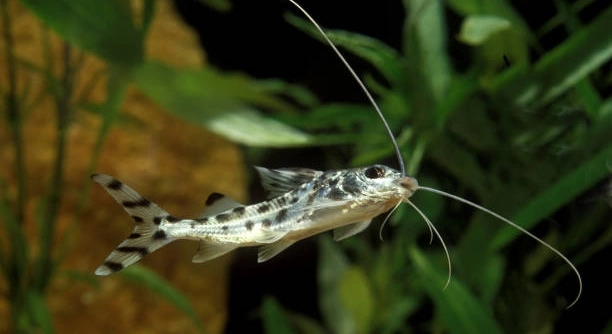
Is your Pictus catfish spending a lot of time skimming the water’s surface? This behavior can catch your attention quickly. Many fish owners notice it and wonder if something is wrong with their pet’s health or environment.
Pictus catfish skim the surface mainly because they need more oxygen in the water. Poor water quality, low oxygen levels, or stress can cause this behavior. It often signals the need to improve tank conditions for their wellbeing.
Learning why this happens helps you create a better home for your fish. The following information explains what causes surface skimming and how to support your Pictus catfish’s health.
Common Reasons for Surface Skimming in Pictus Catfish
Pictus catfish often skim the surface because they are trying to get more oxygen. In a tank with poor water circulation or overcrowding, oxygen levels can drop, making it hard for fish to breathe. Sometimes, dirty water with high ammonia or nitrite levels can cause them discomfort, pushing them to the surface. Stress is another factor; sudden changes in temperature, water chemistry, or lighting can make the fish uneasy. Illness or parasites can also affect their behavior, causing them to seek air near the surface. Regular tank maintenance and water testing help prevent these problems and keep the fish comfortable.
Keeping the tank clean and well-oxygenated is key to reducing surface skimming. Proper filtration and aeration support your Pictus catfish’s health effectively.
A well-maintained aquarium with stable conditions ensures your Pictus catfish can swim freely without struggling for oxygen. Adding air stones or increasing water movement improves oxygen levels. Avoid overcrowding and feed a balanced diet to prevent stress. Monitoring water parameters regularly helps detect early issues before they impact your fish’s behavior. Understanding these factors helps you maintain a healthy environment and reduces the chance of surface skimming.
How to Improve Oxygen Levels in Your Aquarium
Using an air pump or air stone increases oxygen circulation in the tank. Proper filtration that promotes water movement also helps. Positioning the filter outlet near the surface improves gas exchange. Avoid placing too many fish in one tank, as overcrowding reduces available oxygen. Regular partial water changes remove harmful substances and refresh oxygen levels. Keeping plants in the aquarium can help, but too many can also consume oxygen at night. Balancing these elements creates a stable environment where Pictus catfish feel comfortable and don’t need to skim the surface to breathe.
Increased oxygen availability directly impacts your fish’s wellbeing. Simple adjustments like adding an air stone or adjusting filtration flow can make a big difference. Consistent care keeps the tank healthy and your fish active.
Signs of Poor Water Quality Affecting Pictus Catfish
Cloudy water, strong odors, and algae growth often signal poor water quality. Your catfish may also act lethargic or show unusual swimming patterns. These signs suggest the need for immediate tank cleaning and water testing.
Poor water quality causes stress and health issues in Pictus catfish. Ammonia and nitrite levels rise quickly when tanks aren’t cleaned regularly. High nitrate concentrations can also harm fish over time. Uneaten food and waste build up, reducing oxygen and making the environment unhealthy. Testing water weekly helps catch problems early. Using a reliable water test kit ensures safe levels of ammonia, nitrites, and nitrates. Regular partial water changes of 20-30% keep conditions stable and promote fish health.
Keeping the tank clean supports your catfish’s immune system. When water quality improves, the fish will swim more actively and spend less time near the surface. Avoid sudden water changes, as they can shock your fish. Instead, make gradual adjustments to maintain balance and comfort in the tank.
How Stress Impacts Pictus Catfish Behavior
Stress causes Pictus catfish to seek the surface for relief, as it affects their breathing and overall health. Stress factors include sudden changes, poor tank setup, or aggressive tank mates.
Stress weakens the immune system, making catfish more vulnerable to disease. Changes in water temperature, light intensity, or water chemistry can trigger this reaction. A crowded tank or incompatible species causes territorial fights, increasing stress levels. Noise and vibrations around the aquarium may also disturb fish. Recognizing and reducing these stressors helps your catfish feel safe. Providing hiding spots and maintaining a calm environment supports their wellbeing. Reducing stress encourages natural behavior and prevents surface skimming caused by discomfort or fear.
Temperature and Its Effect on Surface Skimming
High water temperatures reduce oxygen levels, causing Pictus catfish to swim near the surface where oxygen is more available. Keeping the temperature stable is essential for their comfort and health.
Sudden temperature changes stress the fish, making them more likely to seek air at the surface. Use a reliable heater and thermometer to maintain a steady temperature between 74°F and 79°F, which suits Pictus catfish best.
Feeding Habits and Surface Skimming
Overfeeding or poor diet can affect your catfish’s behavior, including increased surface activity. Uneaten food pollutes the water and reduces oxygen. Feeding in moderation and choosing a balanced diet helps maintain water quality and fish health.
Tank Size and Its Role in Fish Behavior
Small tanks limit swimming space and oxygen supply, leading to stress and surface skimming. Pictus catfish need at least a 30-gallon tank to thrive, allowing enough room and proper oxygen circulation.
Parasites and Diseases
Parasites or illnesses cause discomfort, making fish gasp near the surface. Early detection and treatment prevent worsening health issues and reduce surface skimming behavior.
Why is my Pictus catfish constantly skimming the surface?
Your Pictus catfish is likely skimming the surface because it needs more oxygen. Low oxygen levels in the tank make fish swim near the surface where oxygen is higher. This often happens when the water is dirty, the tank is overcrowded, or the filter isn’t working well. Stress and illness can also cause this behavior. Checking water quality and improving aeration usually helps.
Is surface skimming a sign of illness in my Pictus catfish?
Surface skimming can be a sign of illness but is not always caused by disease. If the fish is also showing other symptoms like clamped fins, loss of appetite, or unusual spots, illness might be involved. Parasites, bacterial infections, or poor water conditions can weaken the fish, leading to this behavior. Treating the illness and improving tank conditions is important.
How can I improve oxygen levels in my aquarium?
Improving oxygen levels can be done by adding air stones or an air pump, which increase water movement and surface agitation. Make sure your filter creates good water circulation, especially near the surface. Avoid overcrowding your tank, and perform regular water changes. Plants can help oxygenate the tank during the day, but make sure they don’t overgrow and consume too much oxygen at night.
What water parameters should I monitor to keep my Pictus catfish healthy?
Monitor ammonia, nitrite, nitrate, pH, and temperature regularly. Ammonia and nitrite should always be at zero because they are toxic to fish. Nitrate should be kept below 20 ppm. The ideal pH range for Pictus catfish is between 6.5 and 7.5. Keep the temperature stable between 74°F and 79°F to avoid stress.
How often should I perform water changes?
Perform a 20-30% water change weekly to maintain water quality. This removes toxins and adds fresh oxygenated water. More frequent changes may be needed if the tank is crowded or if water tests show poor conditions. Avoid changing too much water at once, as sudden changes can shock your fish.
Can stress cause surface skimming in Pictus catfish?
Yes, stress is a common cause of surface skimming. Stress factors include poor water quality, sudden temperature or lighting changes, overcrowding, and aggressive tank mates. Stress weakens the fish’s immune system and affects breathing, making them seek oxygen at the surface. Reducing stressors helps your catfish return to normal behavior.
Is the size of the tank important for preventing surface skimming?
Tank size is very important. Small tanks limit swimming space and oxygen availability, which can stress Pictus catfish and lead to surface skimming. A minimum of 30 gallons is recommended to provide enough room and proper water conditions. Larger tanks offer more stability in water parameters and oxygen levels.
Does diet affect my Pictus catfish’s behavior?
Yes, feeding affects both water quality and fish behavior. Overfeeding leads to leftover food, which pollutes the water and reduces oxygen. Poor nutrition can weaken your fish and increase stress. Feed moderate amounts of high-quality sinking pellets or frozen foods. Remove uneaten food promptly to keep the tank clean.
What should I do if I suspect my Pictus catfish has parasites?
If you notice your fish scratching against objects, gasping, or having visible spots or sores, parasites might be present. Quarantine the affected fish if possible and treat the tank with appropriate medication. Maintain clean water and good tank hygiene to prevent parasites. Early treatment improves recovery chances.
Can temperature fluctuations cause surface skimming?
Yes, sudden changes in temperature can stress your Pictus catfish and reduce oxygen levels in the water. This makes them swim near the surface for air. Use a reliable heater and thermometer to keep the temperature steady between 74°F and 79°F. Avoid placing the tank near drafts or heat sources.
How do I know if my filter is working properly?
A properly working filter moves water smoothly, provides good surface agitation, and keeps the water clear. If you notice poor water flow, cloudy water, or unpleasant smells, your filter might need cleaning or replacement. Regularly rinse filter media in tank water to maintain efficiency without killing beneficial bacteria.
Are live plants beneficial for my Pictus catfish?
Live plants can help increase oxygen during the day through photosynthesis and provide hiding places that reduce stress. However, too many plants can use oxygen at night, especially in small tanks. Choose hardy plants and maintain balance to support a healthy environment.
How do I avoid overcrowding my aquarium?
Follow recommended stocking levels for your tank size. Pictus catfish grow fairly large and are active swimmers, so they need enough space. Avoid adding too many fish or mixing aggressive species. Research the needs of each fish before adding them to maintain a peaceful, healthy tank.
What signs show my Pictus catfish is recovering after addressing surface skimming?
Your fish will start swimming freely away from the surface and become more active. Appetite should improve, and unusual behaviors like gasping or darting will reduce. Clear eyes and healthy fins are good signs. Continued good water quality and care will keep your catfish healthy over time.
Understanding why your Pictus catfish is skimming the surface helps you take better care of it. This behavior often means the fish is trying to get more oxygen or is feeling stressed. Poor water quality, low oxygen levels, high temperature, or illness can cause this. Keeping the tank clean and maintaining stable water conditions are important steps to support your fish’s health. Regular testing of water parameters like ammonia, nitrite, nitrate, and temperature will help you catch problems early and prevent issues.
Improving oxygen levels in the aquarium is one of the easiest ways to reduce surface skimming. Adding an air stone or air pump, increasing water movement, and making sure your filter works well will create a better environment. It is also important to avoid overcrowding the tank and feed your catfish a balanced diet without overfeeding. Stress caused by sudden changes or aggressive tank mates should be minimized by providing hiding spots and keeping the tank peaceful. When these conditions are met, your Pictus catfish will be more comfortable and less likely to seek the surface for air.
Finally, observing your fish closely will help you notice changes in behavior that may indicate health problems. If surface skimming continues despite good care, it could be a sign of illness or parasites. Early treatment and proper care are necessary to prevent serious health issues. Taking these steps not only improves the quality of life for your Pictus catfish but also helps you enjoy a healthier, more balanced aquarium. Providing a stable and clean environment is the best way to support your fish’s wellbeing in the long run.

Hello,
If you enjoy the content that we create, please consider saying a "Thank You!" by leaving a tip.
Every little bit helps us continue crafting quality advice that supports the health, happiness, and well-being of pets around the world, for pets of all shapes, sizes, and species.
We really appreciate the kindness and support that you show us!