
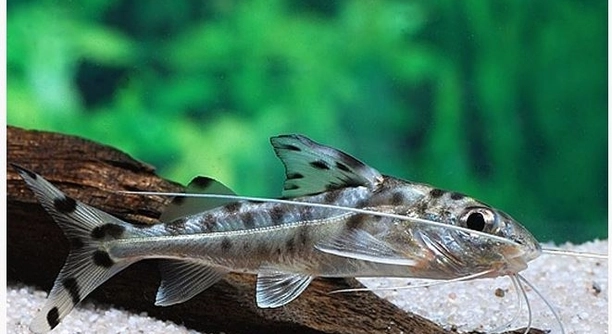
Pictus catfish are known for their active swimming, but sudden jumping can be alarming for many fishkeepers. This behavior often signals a change in the fish’s environment or health. Recognizing why they jump is important for maintaining a healthy aquarium.
Sudden jumping in pictus catfish typically results from stress caused by poor water quality, inadequate tank conditions, or sudden changes in the environment. Addressing these factors promptly helps prevent injury and supports the fish’s well-being.
Learning how to respond to this behavior can keep your aquarium safe and your catfish comfortable in their home.
Why Pictus Catfish Jump Suddenly
Pictus catfish may jump suddenly when they feel stressed or uncomfortable in their environment. Common causes include poor water quality, strong currents, or a lack of hiding spots. Sudden loud noises or lights can also startle them. These fish are sensitive to changes, so maintaining stable tank conditions is key. If their tank is overcrowded, they may feel threatened and try to escape by jumping. Sometimes, jumping is a natural behavior to catch food or move to another area, but frequent jumping should not be ignored. Checking water parameters like temperature, ammonia, and pH regularly helps keep the environment healthy. Providing enough space and cover makes the fish feel secure and less likely to jump. Making small changes gradually can reduce stress. Watching for other signs of illness or discomfort will help catch problems early before they cause more harm to your catfish or other tank mates.
Jumping often signals environmental or health issues that need prompt attention to protect your catfish and aquarium.
Observing your pictus catfish closely can reveal subtle signs before jumping starts. Regular care and a calm tank atmosphere help keep them comfortable and healthy.
How to Prevent Your Pictus Catfish from Jumping
Creating a stable and secure environment is essential to prevent jumping. First, ensure water quality is consistently good by performing regular water changes and testing parameters. Avoid sudden changes in temperature or lighting. The tank should have plenty of hiding places such as caves, plants, or decorations where the catfish can feel safe. Avoid overcrowding the aquarium, as this can stress the fish. Gentle water flow is preferred, as strong currents can encourage jumping. Using a tight-fitting lid or aquarium cover will prevent the fish from escaping and injuring themselves if they jump. Observing your fish daily helps catch any changes in behavior early. If jumping continues despite good conditions, consult a veterinarian or aquarium specialist to rule out illness or parasites. With proper care, jumping can be greatly reduced or stopped, helping your pictus catfish live comfortably and safely.
Checking Water Quality Regularly
Water quality directly affects your pictus catfish’s health and behavior. Poor water conditions often cause stress, leading to jumping. Testing parameters like ammonia, nitrite, nitrate, pH, and temperature helps you spot issues early.
Keeping ammonia and nitrite at zero is critical, as both are toxic to fish. Nitrate should remain low through regular water changes. The ideal pH for pictus catfish is between 6.5 and 7.5, and temperature should stay around 72-79°F (22-26°C). Sudden fluctuations in these factors can trigger jumping or other signs of distress. Frequent testing and gradual adjustments maintain a stable environment.
Water changes should remove 20-30% of the tank volume weekly to reduce waste and toxins. Using a reliable test kit and conditioner for tap water ensures safe water for your fish. Consistency in water quality lowers stress and prevents many common health problems, making your catfish less likely to jump out of the tank.
Providing Hiding Spots and Tank Cover
Hiding places reduce stress and give your catfish a sense of security. Include caves, plants, or decorations where they can retreat when feeling threatened or overwhelmed. This helps prevent sudden jumping caused by fear or discomfort.
A tight-fitting lid or aquarium cover is essential. It protects your fish from injury if they do jump. Make sure there are no gaps for them to escape through. Using mesh or glass covers works well and keeps the tank environment stable.
Providing both hiding spots and a secure cover creates a safer space for your catfish. This combination reduces their urge to jump and promotes calm behavior. It also prevents accidents that could harm your fish or disrupt the tank. Consistent attention to these details helps your aquarium run smoothly.
Avoiding Sudden Environmental Changes
Sudden changes in lighting, temperature, or tank decorations can startle pictus catfish and cause them to jump. Keep changes slow and gradual to help them adjust comfortably.
Minimize loud noises or vibrations near the tank, as these can stress your fish. A calm environment reduces sudden reactions and promotes stable behavior.
Monitoring Tank Mates
Aggressive or overly active tank mates may provoke pictus catfish to jump out of fear or stress. Choosing compatible species is important for harmony.
Keep an eye on interactions to ensure no bullying occurs. Peaceful community fish help reduce stress and encourage calm behavior in your catfish.
Feeding Habits and Jumping
Overfeeding or inconsistent feeding times can cause stress or excitement, leading to jumping behavior. Feed small portions regularly.
Consistent feeding routines help maintain stable behavior and reduce unnecessary jumping caused by hunger or overeagerness.
FAQ
Why do pictus catfish jump suddenly?
Pictus catfish jump mostly because of stress or discomfort in their environment. Poor water quality, sudden changes in temperature or lighting, and loud noises can trigger this behavior. They may also jump if they feel threatened by other fish or if their tank lacks hiding spots. This jumping is often a natural reaction to stress and should be addressed quickly to prevent injury.
How can I stop my pictus catfish from jumping?
To reduce jumping, maintain stable water conditions with regular testing and water changes. Provide plenty of hiding places like caves and plants so your catfish feel secure. Avoid sudden changes in the tank’s environment, and use a tight-fitting lid to prevent escapes. Also, ensure your tank mates are peaceful and compatible to minimize stress.
Is jumping normal behavior for pictus catfish?
Some occasional jumping can be normal, especially when they are feeding or exploring. However, frequent or sudden jumping usually signals a problem. It is important to watch for other signs of stress or illness and check the tank conditions regularly.
Can poor water quality cause pictus catfish to jump?
Yes, poor water quality is a common reason for jumping. High ammonia or nitrite levels, incorrect pH, or sudden temperature changes can stress your catfish. Regular water testing and changes keep the water safe and comfortable for them.
What should I do if my pictus catfish injures itself while jumping?
If your catfish injures itself, isolate it in a hospital tank with clean water and proper conditions to heal. Monitor for infections and treat with suitable medications if needed. Improving the main tank’s environment to prevent further jumping is essential.
Do pictus catfish jump out of boredom?
Pictus catfish are active fish and need stimulation. Boredom can sometimes lead to restless behavior, including jumping. Providing a varied environment with hiding places, plants, and gentle water flow can keep them engaged and less likely to jump.
How often should I test my aquarium water?
Testing water weekly is a good routine for most tanks. More frequent tests might be necessary if you notice jumping or other unusual behaviors. Keeping parameters stable through regular checks helps prevent stress in your catfish.
Can lighting affect pictus catfish jumping?
Sudden changes in lighting, such as bright lights turning on or off quickly, can startle pictus catfish. Using a gradual lighting schedule and dimmer lights can reduce stress and decrease jumping.
What tank mates are best to keep with pictus catfish?
Peaceful fish that don’t compete aggressively for space or food work best with pictus catfish. Avoid overly aggressive or territorial species. Suitable tank mates help maintain a calm environment, reducing stress and jumping.
Is it necessary to cover the aquarium to prevent jumping?
Yes, using a secure lid or cover is essential to keep jumping fish safe. It prevents escapes and injuries. Make sure the cover fits tightly with no gaps large enough for the fish to jump through.
Can feeding affect jumping behavior?
Overfeeding or irregular feeding can cause excitement or stress, leading to jumping. Feeding small amounts consistently each day helps maintain calm behavior and reduces jumping caused by hunger or eagerness.
How can I tell if my pictus catfish is stressed besides jumping?
Other signs of stress include hiding excessively, loss of appetite, rapid breathing, or faded colors. Monitoring your fish’s behavior alongside jumping helps identify underlying problems early.
Should I worry if my pictus catfish jumps once in a while?
A single jump now and then is usually not a cause for concern. However, frequent jumping or accompanied symptoms like lethargy or injury need attention. Consistent care and observation keep your fish healthy.
Can water temperature changes cause pictus catfish to jump?
Yes, sudden temperature shifts can stress pictus catfish and cause jumping. Keep the tank temperature steady within their preferred range (72-79°F or 22-26°C) using a reliable heater and thermometer.
What can I do to reduce stress in pictus catfish?
Maintain stable water conditions, provide hiding spots, avoid loud noises, keep compatible tank mates, and feed on a regular schedule. These steps create a calm environment that lowers stress and jumping.
Is jumping more common in young or adult pictus catfish?
Jumping can occur in all ages, but younger fish may be more active and prone to jumping during exploration. Adult fish usually jump due to stress or poor conditions rather than playfulness.
How long does it take for pictus catfish to stop jumping after improving tank conditions?
If the environment improves, you may see a reduction in jumping within a few days to a week. Some fish take longer to adjust depending on the level of previous stress. Patience and consistent care are important.
Can illness cause pictus catfish to jump suddenly?
Yes, some illnesses or parasites cause discomfort or itching, prompting fish to jump. If jumping is accompanied by physical symptoms like spots, frayed fins, or abnormal swimming, consult an expert promptly.
Is it safe to keep pictus catfish in a community tank?
Pictus catfish can thrive in community tanks with peaceful species. Avoid aggressive or large fish that may bully them. Careful selection of tank mates reduces stress and keeps the catfish calm.
How do I introduce new tank mates without causing jumping?
Introduce new fish slowly and monitor interactions closely. Quarantine new arrivals before adding them to the tank. A calm and gradual introduction helps maintain peace and prevents stress-related jumping.
Final Thoughts
Pictus catfish are lively and interesting fish to keep, but their sudden jumping can be concerning. This behavior usually points to some kind of stress or discomfort in their environment. It’s important to remember that jumping is a natural response to certain triggers, not a sign that something is wrong with the fish itself. Understanding the reasons behind this behavior helps in taking the right steps to keep your fish safe and comfortable. By maintaining a stable tank environment with good water quality, appropriate tank mates, and plenty of hiding spots, you can reduce the chances of your pictus catfish jumping out of stress or fear.
Preventing jumping involves paying close attention to the tank conditions and the needs of your catfish. Regular water testing and changes keep the environment healthy and balanced, while a secure lid prevents accidents when fish do jump. It’s also important to avoid sudden changes in lighting, temperature, or decorations, as these can startle your fish. Providing a calm, peaceful tank with compatible tank mates makes a big difference in how your pictus catfish behave. Feeding your fish consistent, moderate meals also helps keep them calm and less likely to jump. All these factors combined create a space where your fish feel safe and less prone to sudden movements.
Keeping pictus catfish healthy and comfortable requires ongoing care and observation. Watching your fish’s behavior regularly helps catch early signs of stress or illness before they lead to more serious problems. If jumping continues even after improving tank conditions, seeking advice from a specialist is a good idea. Remember that every aquarium and fish is unique, so patience and careful adjustments are key. With the right care, your pictus catfish will settle into their home and show fewer signs of stress, including less jumping. This will make your aquarium a safer, more enjoyable place for both you and your fish.

Hello,
If you enjoy the content that we create, please consider saying a "Thank You!" by leaving a tip.
Every little bit helps us continue crafting quality advice that supports the health, happiness, and well-being of pets around the world, for pets of all shapes, sizes, and species.
We really appreciate the kindness and support that you show us!