
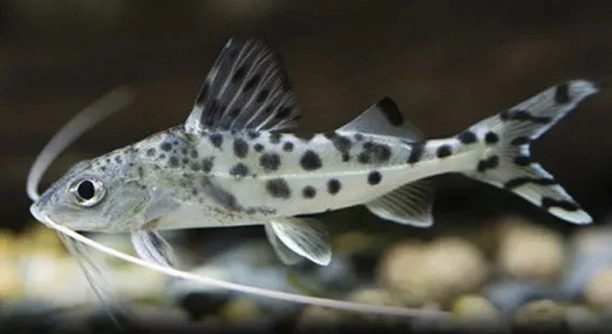
Pictus catfish are active and curious fish that can become bored without proper stimulation. Providing them with engaging activities and environment enrichments helps maintain their well-being and natural behaviors. These simple ideas can improve their quality of life in home aquariums.
Seven straightforward enrichments for pictus catfish include hiding spots, varied substrates, floating plants, interactive feeding techniques, gentle water currents, visual barriers, and tank decorations. These enrichments promote physical activity, reduce stress, and encourage natural foraging and exploration behaviors.
Adding these enrichments creates a more dynamic and healthy environment for your pictus catfish. The following suggestions will help keep your fish engaged and thriving in their aquarium space.
Hiding Spots for Security and Exploration
Pictus catfish appreciate having places where they can hide and feel safe. Adding caves, PVC pipes, or dense plant clusters to the tank gives them cozy spots to retreat. These hiding spots reduce stress by mimicking their natural environment, where they often shelter during daylight hours. Providing different sizes and types of hiding places encourages your catfish to explore and choose their preferred safe zones. It also offers privacy during rest or when they feel threatened by tankmates or sudden movements outside the aquarium. Regularly changing or rearranging these hiding spots can keep your fish curious and prevent boredom. It’s important to ensure hiding places are safe, with no sharp edges or tight spaces where they might get stuck. Hiding spots are a simple way to enrich your pictus catfish’s tank, making their environment more comfortable and stimulating.
Offering hiding places supports natural behavior and lowers anxiety, improving overall fish health and tank harmony.
Changing hiding spots regularly keeps your catfish mentally engaged and more active in their environment.
Varied Substrates to Encourage Natural Foraging
Using different substrate textures in the tank allows pictus catfish to dig and forage naturally. Mixing sand, fine gravel, and smooth stones mimics the riverbeds they come from and keeps their sensory needs met. These substrates enable them to sift through the bottom, searching for food particles or small insects, which helps reduce boredom. Fine sand is gentle on their barbels, while gravel areas provide interesting surfaces to explore. Avoid sharp or rough substrates that might injure delicate parts. You can even add leaf litter or driftwood pieces on the substrate to create varied textures and hide food. This encourages natural behaviors and adds a touch of authenticity to the tank environment. Changing substrate layouts over time also adds novelty and prevents your catfish from becoming uninterested in their surroundings. Providing varied substrates enriches their habitat, promoting activity and well-being.
Floating Plants for Shade and Shelter
Floating plants provide shaded areas that pictus catfish appreciate during bright lighting. These plants also create gentle water movement and offer places to explore near the surface. Adding floating plants helps reduce stress by softening the aquarium environment.
Floating plants, such as duckweed or water lettuce, create natural shade and cover. This mimics the catfish’s natural habitat, where light is often filtered through foliage. The plants also help maintain water quality by absorbing excess nutrients. Floating plants encourage your fish to explore vertical space, not just the bottom of the tank. This adds variety to their routine and promotes mental stimulation. The subtle water movement caused by floating plants simulates currents, which many catfish find comforting.
Maintaining floating plants is relatively simple. Trim dead leaves regularly to keep them healthy and prevent overcrowding. Be mindful that some floating plants can multiply quickly and may need thinning. Overall, they add an excellent dimension to your tank’s environment.
Interactive Feeding Techniques
Using interactive feeding methods keeps pictus catfish active and interested during mealtime. Scattering food or using feeding rings encourages natural foraging and hunting behaviors.
Interactive feeding provides mental and physical stimulation. Instead of dropping food in one spot, spreading pellets or sinking wafers around the tank encourages movement. Feeding rings can help control where food settles, allowing your catfish to search and root around. This mimics their wild feeding habits and reduces boredom. Occasionally, you can hide treats under plants or decorations, promoting exploration. Varying food types, such as frozen or live foods, adds nutritional variety and keeps feeding engaging. This approach not only entertains your fish but also promotes healthier eating habits by stimulating natural instincts. Over time, interactive feeding strengthens their activity level and overall wellness in captivity.
Gentle Water Currents
Pictus catfish enjoy swimming in gentle water currents that simulate their natural river habitats. Adding a low-flow filter or adjusting powerheads creates a comfortable current without stressing them.
A steady but mild current encourages activity and exploration. It also helps oxygenate the water, which benefits overall tank health. Too strong a current can tire your catfish or cause them to hide more often, so balance is key.
Visual Barriers
Visual barriers like plants or decorations break up the tank space, giving catfish areas to feel secure. These barriers reduce stress by limiting direct line of sight with tankmates.
Tank Decorations for Stimulation
Adding diverse decorations such as driftwood, smooth rocks, and plants offers interesting textures and shapes for exploration. These objects mimic natural environments and provide hiding spots and resting places for pictus catfish. Decorations encourage swimming around and investigating new areas, which keeps them engaged and reduces boredom. Choose safe, aquarium-approved materials that won’t alter water chemistry or harm your fish.
Rearranging the Tank
Regularly changing the layout of the tank keeps the environment fresh. Moving decorations or plants encourages your pictus catfish to explore and adapt to new surroundings, stimulating their curiosity.
FAQ
How often should I change the hiding spots in my pictus catfish tank?
Changing hiding spots every few weeks is enough to keep your catfish interested. Too frequent rearranging can cause stress, but occasional changes encourage exploration and activity. Monitor your fish’s behavior to find a balance that works well.
Can pictus catfish live without floating plants?
Yes, they can live without floating plants, but adding them benefits the tank environment. Floating plants offer shade, reduce stress, and create a more natural setting. They also help control light intensity and improve water quality.
What types of substrates are safest for pictus catfish?
Fine sand is the safest substrate because it is gentle on their barbels. Small, smooth gravel is also acceptable. Avoid sharp or rough materials that could injure their delicate barbels or skin.
Do pictus catfish need strong water currents?
No, they prefer gentle water currents that mimic their natural river habitats. Strong currents can tire them out or cause stress. Adjust filter output or use powerheads to create mild water movement.
Are decorations necessary for pictus catfish?
Decorations aren’t mandatory but highly recommended. They provide places to hide, rest, and explore, which reduces boredom and stress. Choose smooth, non-toxic decorations to keep the tank safe.
What foods should I use for interactive feeding?
Use sinking pellets, wafers, or frozen foods that encourage natural foraging. Vary the diet with occasional live or frozen treats like bloodworms or brine shrimp. Hiding food under plants or decorations can stimulate hunting behaviors.
How do I keep floating plants from overgrowing?
Trim dead or excess leaves regularly to prevent overcrowding. Some floating plants reproduce quickly, so remove extra plants when needed to keep the tank balanced.
Is it safe to rearrange the tank frequently?
Rearranging once every few weeks is safe and can stimulate your catfish’s curiosity. Avoid constant changes, which might cause stress. Always make sure the new layout provides enough hiding spots and swimming space.
Can pictus catfish live with other fish if I add visual barriers?
Yes, visual barriers reduce stress by breaking up the tank and limiting direct sight lines with other fish. This can make community living easier and help avoid territorial disputes.
How do I know if my pictus catfish is stressed?
Signs of stress include hiding constantly, loss of appetite, erratic swimming, or faded coloration. Providing enrichments like hiding spots, gentle currents, and varied substrates helps reduce stress and keeps them healthy.
Final Thoughts
Creating a stimulating environment for your pictus catfish is important for their health and happiness. These fish are naturally active and curious, so providing simple enrichments helps them stay engaged. Adding hiding spots, varied substrates, and floating plants are easy ways to make their tank more comfortable and interesting. These elements encourage natural behaviors such as exploring, foraging, and resting safely. Without such enrichment, pictus catfish can become bored, stressed, or less active, which can affect their overall well-being.
Interactive feeding techniques and gentle water currents also play a key role in keeping your catfish mentally and physically active. By spreading food around the tank or using feeding rings, you encourage natural foraging behaviors. Similarly, creating mild water flow simulates their natural habitat and helps maintain good water quality. Visual barriers and tank decorations add another layer of complexity to the environment, giving your catfish places to hide and explore. Rearranging these features every few weeks keeps their surroundings fresh and encourages curiosity.
Overall, these simple enrichments require little effort but offer big benefits to your pictus catfish. Each addition helps replicate aspects of their natural river habitat, promoting healthier, happier fish. Paying attention to their behavior and making adjustments as needed ensures your catfish remain comfortable and engaged. A well-enriched tank not only supports their physical health but also improves their mental stimulation, resulting in a more lively and balanced aquarium.

Hello,
If you enjoy the content that we create, please consider saying a "Thank You!" by leaving a tip.
Every little bit helps us continue crafting quality advice that supports the health, happiness, and well-being of pets around the world, for pets of all shapes, sizes, and species.
We really appreciate the kindness and support that you show us!