
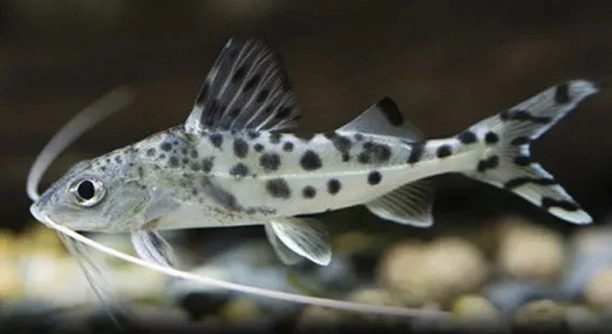
Have you ever noticed your Pictus catfish acting differently depending on the time of day or the brightness in your room?
Pictus catfish are sensitive to changes in room lighting due to their nocturnal nature. Bright or inconsistent lighting can cause stress, affect feeding patterns, and disrupt their natural behavior, making a dim, stable environment ideal.
Understanding how lighting influences their behavior can help you create a calmer and healthier tank for your catfish to thrive in.
How Room Lighting Affects Pictus Catfish
Pictus catfish are naturally nocturnal, meaning they are most active during the night when lighting is low or absent. Constant exposure to bright room lighting can confuse their internal rhythm and lead to stress-related behavior. When lights stay on for long periods or switch on and off frequently, these fish may hide more often, become less active, or even skip feeding. In a dim or consistent environment, however, Pictus catfish feel more secure and behave more normally. Sudden lighting changes can also cause them to dart around the tank, risking injury. Their comfort depends on a stable day-night rhythm, and artificial light sources can interfere if not controlled properly. Keeping the lighting low or using a dimmer during the day helps mimic their preferred natural conditions. Avoid placing their tank near windows, TVs, or lamps that turn on at irregular hours. Their well-being improves when the environment supports their instincts.
Evening is when Pictus catfish prefer to explore, feed, and interact. Bright lighting reduces this activity.
Soft lighting and controlled schedules can significantly improve your Pictus catfish’s quality of life. Stick to a gentle day-night cycle using timers or dim bulbs to maintain consistency. Watch for subtle signs like increased movement or calmer behavior when lighting suits their needs.
Setting Up the Right Lighting Environment
Sudden exposure to light can startle Pictus catfish. Keep lights low and transition gradually from day to night.
To give your Pictus catfish the best environment, mimic their natural habitat. Use low-wattage bulbs or aquarium-specific LED lights with adjustable settings. Timer-controlled lights help maintain a regular schedule, reducing stress. Aim for 8 to 10 hours of light per day and ensure the rest of the time is dark or very dim. Avoid placing tanks in areas exposed to household lights late at night. This helps regulate their internal rhythm. Consider adding floating plants or decorations to provide shaded areas. These shaded spots help fish feel secure even during light periods. Reducing direct lighting and maintaining consistency makes them more active during the evening, which aligns with their natural tendencies. Observing their behavior under different light settings can also help you fine-tune the setup. By paying attention and making a few adjustments, you can create a calmer, healthier space where your Pictus catfish can move freely, feed properly, and remain stress-free.
Common Signs of Lighting Stress in Pictus Catfish
If the lighting is too strong or inconsistent, Pictus catfish may hide more than usual, swim frantically, or avoid feeding. These signs often appear gradually, especially if the lighting schedule is not controlled.
A stressed Pictus catfish may stay hidden under decorations or plants during times when they’d normally be active. Excessive hiding is one of the first signs that lighting may be too harsh or irregular. Some fish may begin to swim erratically or dash around the tank when lights are suddenly turned on or off. In some cases, they may become less responsive or stop eating altogether. These behaviors can be mistaken for illness, but often point back to environmental stress. Monitor their behavior closely and take note of any sudden changes. If you notice unusual patterns, assess your room’s lighting and consider whether changes in the light cycle may be affecting their comfort.
A dim, quiet environment helps them recover from stress. Give them time to adjust by gradually reducing light exposure each day. Avoid sudden brightness or loud activity near the tank, especially during resting hours. Provide more shaded areas or floating cover inside the tank. Once conditions stabilize, their normal behavior often returns within days.
Tips for Managing Room Lighting
Keep your tank away from windows, televisions, or bright lamps that stay on late. Use a timer to control lighting consistently. Even household habits, like turning on a nearby light at night, can disrupt their natural rhythm.
To manage lighting effectively, choose a soft, adjustable aquarium light that mimics dawn and dusk transitions. Keep your tank in a room where lighting is predictable and quiet in the evening. Avoid placing tanks in living rooms or areas with frequent activity at night. If needed, use blackout curtains or covers to limit ambient light from other sources. Set a fixed lighting schedule—about 8 to 10 hours of light daily—and avoid extending it. Fish need a true dark phase to rest and reset. Timers help you stay consistent, even when you’re not home. If you use night lights, choose red-spectrum ones, as they are less disturbing to nocturnal fish. Make sure their tank has shaded hiding spots where light won’t reach directly.
Adjusting Lighting After Signs of Stress
Start by reducing the brightness and keeping the light schedule steady. Use timers to avoid sudden switches, and lower the overall intensity by using dimmer bulbs or adding more cover inside the tank.
Give them a few days to adjust before making more changes. Avoid moving the tank or making loud disturbances nearby during this time. Keep light exposure gentle and predictable.
Best Lighting Options for Pictus Catfish
Look for LED lights with adjustable settings so you can control brightness throughout the day. Many aquarium lights offer “sunrise” and “sunset” modes, which help reduce sudden changes that may disturb your catfish. A soft white or warm tone is ideal. Avoid bright blue or pure white lights, which can feel harsh and overstimulating. Keep the lighting period under 10 hours, followed by complete darkness or very dim lighting for the rest of the day. If the room stays active at night, consider a tank cover or blackout panel to block external light. Floating plants, driftwood, and caves can also help reduce stress and offer shelter.
When to Consult a Specialist
If your fish continues to act stressed after lighting changes, it may be time to ask an aquatic vet. They can rule out other causes.
FAQ
How much light do Pictus catfish need daily?
Pictus catfish do best with about 8 to 10 hours of light daily. This schedule mimics natural daylight and gives them enough time to be active while allowing sufficient darkness for rest and recovery. Keeping this routine consistent helps reduce stress.
Can room lighting alone harm my Pictus catfish?
Yes, strong or inconsistent room lighting can cause stress, making your catfish hide or avoid food. Sudden bright lights may startle them. It’s important to control not only the aquarium light but also nearby lights like lamps or screens.
Is it okay to keep the aquarium in a brightly lit room?
Brightly lit rooms can be stressful if light enters the tank directly or shines on it late at night. Ideally, place the tank in a room where lighting is moderate and predictable. Use blackout curtains or tank covers to control light exposure.
Do Pictus catfish prefer complete darkness at night?
Yes, complete or near-complete darkness at night is best for them. Darkness helps regulate their natural rhythms and lets them rest. Low red-spectrum night lights are less disturbing if you need some light to check on the tank at night.
Will my Pictus catfish be more active if I use dim lights?
Dim lights mimic their natural habitat and encourage more normal activity. Bright lights can cause them to hide or act nervously. Adjust lighting to softer settings and watch how their behavior improves over time.
How can I tell if lighting is stressing my Pictus catfish?
Signs include excessive hiding, erratic swimming, reduced feeding, and increased skittishness. These behaviors suggest discomfort. If you notice these, review the lighting conditions and reduce brightness or improve the light schedule.
Can adding plants help with lighting stress?
Yes, live or artificial plants create shaded spots and help diffuse light inside the tank. This offers your catfish safe areas to retreat and feel secure. Plants also improve water quality, which supports overall health.
Are LED lights better than fluorescent for Pictus catfish tanks?
LED lights are preferred because they offer adjustable brightness, use less energy, and produce less heat. Many LED systems include features like gradual dimming, which helps simulate natural light transitions and reduces sudden changes.
Should I turn off all lights when I’m not home?
Using a timer to keep the light schedule consistent is best. Turning lights off at regular times helps maintain a natural cycle. Avoid leaving lights on 24/7, as this can cause stress and disrupt their behavior patterns.
Is it harmful if my Pictus catfish hides all day?
Occasional hiding is normal, but constant hiding often signals stress. Bright or irregular lighting is a common cause. Improving light conditions usually encourages them to explore more during their active periods.
Can reflections from room lights affect Pictus catfish?
Reflections can confuse or startle fish. Avoid placing the tank near windows or bright reflective surfaces. Reducing glare and external light sources helps keep your catfish calm and comfortable.
What’s the best way to transition lighting in the tank?
Gradual dimming in the morning and evening mimics natural sunrise and sunset. Many LED setups allow you to program this. Sudden lights turning on or off should be avoided, as they can stress your fish.
Will changing the lighting improve feeding habits?
Yes, proper lighting supports natural behavior, including feeding. When lighting is comfortable, Pictus catfish are more likely to feed during their active times. Poor lighting often causes them to skip meals or eat less.
Can my Pictus catfish get used to bright lighting?
They may adapt somewhat, but bright lighting is not ideal for their health or behavior. Keeping light low or moderate is better for long-term well-being and reduces stress-related issues.
Is there a difference between room lighting and aquarium lighting?
Aquarium lighting is designed to support fish health and plant growth, while room lighting is not controlled and can be unpredictable. Both affect your fish, so managing overall lighting in the room is important for their comfort.
Are night lights safe to use around Pictus catfish?
Red-spectrum night lights are safer because they are less disruptive. White or blue night lights can interfere with their resting cycles. Use these lights sparingly and only when necessary.
How often should I check my lighting setup?
Regular checks, at least once a week, help ensure timers work and brightness levels remain stable. Adjustments may be needed seasonally or if you notice behavioral changes in your fish. Keeping the lighting steady promotes good health.
Pictus catfish respond strongly to the lighting conditions in their environment. Bright, inconsistent, or sudden changes in room lighting can cause stress and affect their natural behavior. Since these fish are nocturnal, they prefer dim or low lighting that mimics their natural habitat. A stable light schedule helps maintain their daily rhythm, supporting regular feeding and activity. Keeping the aquarium in a room with predictable light and using timers to control aquarium lights creates a comfortable setting. Providing shaded areas inside the tank also helps reduce stress by offering hiding spots when light is present.
It is important to watch your Pictus catfish closely for signs of discomfort related to lighting. Excessive hiding, erratic swimming, or reduced feeding are common signals that lighting conditions need adjustment. Gradually lowering the brightness or shortening the light duration often improves their behavior. Using LED lights with adjustable settings can help you create the best possible environment by simulating natural sunrise and sunset transitions. Avoid placing the tank near windows or bright lamps that may cause unwanted light spikes. Consistency is key to helping your catfish feel safe and behave normally.
Maintaining proper lighting is just one aspect of caring for Pictus catfish, but it can make a big difference in their overall well-being. When lighting matches their needs, these fish are more active, less stressed, and healthier. With patience and attention to their environment, you can create a peaceful tank where your Pictus catfish thrive. Remember to keep light exposure steady, offer places to hide, and monitor their behavior regularly. This will help you provide a habitat that respects their natural instincts and supports their long-term health.

Hello,
If you enjoy the content that we create, please consider saying a "Thank You!" by leaving a tip.
Every little bit helps us continue crafting quality advice that supports the health, happiness, and well-being of pets around the world, for pets of all shapes, sizes, and species.
We really appreciate the kindness and support that you show us!