
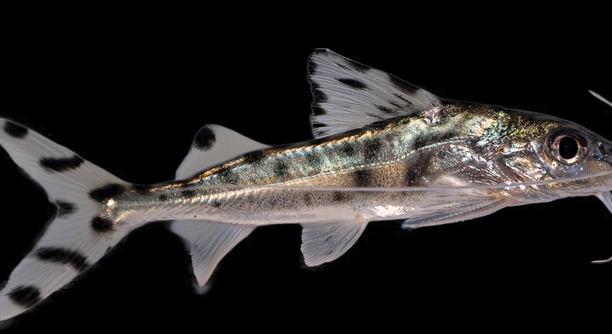
Pictus catfish are popular pets in freshwater aquariums due to their active nature and striking appearance. Many fishkeepers enjoy adding them to community tanks to enhance the environment. However, there are specific times when introducing a new pictus catfish is not recommended.
Adding a new pictus catfish should be avoided during periods of tank instability, illness outbreaks, overcrowding, or when the existing fish show signs of stress. Introducing new fish under these conditions can lead to aggression, disease spread, and overall poor tank health.
Knowing when to hold off on adding a new pictus catfish can help maintain a peaceful and healthy aquarium environment for all your aquatic pets.
When Your Tank Is Not Fully Established
A newly set-up aquarium needs time to develop a stable environment for fish. Beneficial bacteria must grow to break down waste and keep water conditions safe. Adding a pictus catfish too early can overwhelm this delicate balance. The fish may suffer from poor water quality, which can lead to stress or illness. It is best to wait at least four to six weeks after setting up your tank before introducing new fish. During this period, regular water testing and maintenance will help ensure that ammonia, nitrite, and nitrate levels are safe. This patience gives your tank time to become a secure home for your catfish. Rushing to add fish too soon often causes problems that could have been avoided with a little more time.
Adding a pictus catfish before the tank is stable can harm the fish and disrupt your aquarium’s ecosystem.
Waiting until your tank is fully cycled will protect your fish and help them thrive in a healthy environment.
When Your Current Fish Are Showing Signs of Stress
If your existing fish are acting unusually—hiding more than usual, refusing food, or showing signs of illness—it’s not a good time to add a new pictus catfish. Stress weakens fish immune systems, making them vulnerable to diseases. Introducing new fish can increase competition and aggression, worsening the situation. Adding a new fish during stressful periods risks spreading infections or causing injury to all inhabitants. Focus on stabilizing your current fish first through regular water changes, proper feeding, and monitoring water parameters. Once they return to normal behavior, you can consider adding new fish more safely. Protecting your tank’s current balance is key to long-term success.
New fish should be added only when your current fish are calm and healthy to prevent stress and disease.
Waiting for your fish to recover fully before adding newcomers ensures a peaceful, healthy tank environment for everyone involved.
When the Tank Is Overcrowded
Overcrowding causes stress and poor water quality, which makes adding a new pictus catfish unwise.
Too many fish in one tank can quickly lead to high waste levels and oxygen depletion. Pictus catfish are active swimmers and need space to move freely. Crowded conditions increase aggression and competition for food, which can cause injuries or stress-related illnesses. Overcrowding also makes it harder to maintain stable water parameters, putting all fish at risk. It’s best to keep your tank population balanced and avoid adding new fish until there is enough room. This helps create a peaceful and healthy environment for your pictus catfish and all other tank mates.
Proper tank stocking ensures your fish live longer and stay healthier, preventing many common aquarium problems caused by overcrowding.
During a Disease Outbreak
Adding a new pictus catfish while your tank is dealing with disease spreads infection quickly. It’s important to quarantine new fish before introducing them to the main tank. Quarantine helps detect illness early and prevents spreading parasites or bacteria. If disease is present, focus on treatment and recovery of your current fish first. Adding new fish during this time puts them at risk and can make the outbreak worse. Waiting until the tank is fully healed protects all your aquatic pets and gives new fish the best chance to adjust and thrive safely.
A disease outbreak requires patience and proper care to restore tank health before adding any new fish.
Keeping your tank disease-free involves monitoring, timely treatment, and quarantining new fish to avoid future problems.
When Introducing Juvenile Pictus Catfish
Juvenile pictus catfish are more fragile and less able to defend themselves. Adding them to an established tank can stress them out.
Older, larger fish might see juveniles as competition or prey, leading to bullying or injury.
When Tank Conditions Change Suddenly
Sudden changes in temperature, pH, or water chemistry create stress for all fish. Adding a new pictus catfish during this time increases risk of illness or aggression. Stability is key before introducing new fish.
When You Lack Proper Quarantine Space
Without a separate quarantine tank, new fish can introduce disease or parasites. Skipping quarantine risks the health of your entire aquarium. It’s safer to quarantine before adding any new pictus catfish.
How many pictus catfish can I keep in one tank?
The number of pictus catfish you can keep depends mainly on the size of your aquarium. These fish grow to about 4-5 inches and are active swimmers, so they need space. A good rule is to allow at least 20 gallons of water for two to three pictus catfish. Overcrowding can cause stress and poor water quality, leading to health problems. Also, keep in mind that pictus catfish prefer to live in groups, so it’s best not to keep just one. Providing enough space helps maintain a peaceful and healthy environment for your fish.
What tank size is best for pictus catfish?
A tank of at least 40 gallons is ideal for a small group of pictus catfish. This size allows enough swimming room and space for hiding spots. Larger tanks help keep water conditions more stable, which benefits your fish’s health. Pictus catfish are active, so they appreciate open areas to swim as well as places to hide like caves or plants. A tank that is too small will stress them and increase aggression or illness risks.
Can pictus catfish live with other fish?
Yes, pictus catfish generally get along well with many peaceful community fish. They do best with species that share similar water requirements and temperaments. Avoid very aggressive or much larger fish that could harm them. Good tankmates include tetras, danios, and other small to medium peaceful fish. Remember, pictus catfish are nocturnal and active at night, so consider fish that are active during the day to avoid competition.
How do I know if my pictus catfish is stressed?
Signs of stress in pictus catfish include hiding more than usual, loss of appetite, erratic swimming, or clamped fins. Stress can be caused by poor water quality, overcrowding, or aggressive tankmates. If you notice these signs, check your water parameters immediately and perform water changes if needed. Reducing stress is key to preventing illness and keeping your fish healthy.
Should I feed pictus catfish differently from other fish?
Pictus catfish are bottom feeders and prefer sinking pellets or live foods like bloodworms or brine shrimp. They can also eat flake food, but it must reach the bottom of the tank. Feeding them a varied diet ensures good nutrition and vibrant health. Avoid overfeeding, as leftover food can pollute the water. Feeding once or twice a day in small amounts is usually enough.
How often should I clean the tank when keeping pictus catfish?
Regular tank maintenance is important for pictus catfish health. A partial water change of about 20-25% every week helps keep water clean and balanced. Gravel should be vacuumed during these changes to remove uneaten food and waste. Avoid cleaning the tank too aggressively, as this can disrupt beneficial bacteria needed for a healthy environment.
Can pictus catfish jump out of the tank?
Yes, pictus catfish are known jumpers. It’s important to keep a secure lid on your aquarium to prevent escapes. Make sure the lid fits well and has no gaps, especially at night when these fish are most active.
What water parameters do pictus catfish need?
Pictus catfish prefer slightly acidic to neutral water with a pH between 6.5 and 7.5. Temperature should be kept between 72°F and 78°F (22°C–26°C). Stable water conditions with low ammonia and nitrite levels are essential. Regular testing and maintenance will help keep these parameters in check.
How long do pictus catfish live?
With proper care, pictus catfish can live up to 8 years in captivity. Good water quality, a proper diet, and a peaceful environment contribute to their lifespan. Stress, poor conditions, and disease reduce their longevity.
Is it okay to add a single pictus catfish?
Pictus catfish are social and do better in groups of three or more. A single fish may become lonely or stressed. Keeping them in small groups helps them feel secure and display natural behaviors. However, ensure your tank is large enough to support multiple fish comfortably.
When it comes to keeping pictus catfish, understanding when not to add new fish is just as important as knowing when it is safe. These fish need stable water conditions, enough space, and a calm environment to thrive. Rushing to add new pictus catfish without considering these factors can cause stress, illness, and aggression in your tank. It’s important to be patient and watch for signs that your tank is ready for new additions. Taking the time to prepare your aquarium properly will help keep your pictus catfish healthy and happy.
Sometimes the best choice is to wait before adding a new pictus catfish. Whether your tank is newly set up, overcrowded, or dealing with disease, holding off can prevent bigger problems down the line. Fish are sensitive to changes in their environment, and adding new ones during stressful times makes it harder for them to adjust. It also increases the risk of spreading illness or causing fights among tank mates. By paying attention to your tank’s condition and your fish’s behavior, you can decide the best time to bring in new pictus catfish.
In the end, successful fishkeeping is about balance and care. Pictus catfish are wonderful additions to many freshwater tanks, but they need the right conditions to thrive. Giving your aquarium time to stabilize, keeping it clean, and avoiding overcrowding are key steps. Remember to quarantine new fish to protect your current inhabitants. These simple practices can make a big difference in your fish’s health and your enjoyment as an aquarist. When you are ready to add a new pictus catfish, doing so with care will help ensure a peaceful and lively aquarium for years to come.

Hello,
If you enjoy the content that we create, please consider saying a "Thank You!" by leaving a tip.
Every little bit helps us continue crafting quality advice that supports the health, happiness, and well-being of pets around the world, for pets of all shapes, sizes, and species.
We really appreciate the kindness and support that you show us!