
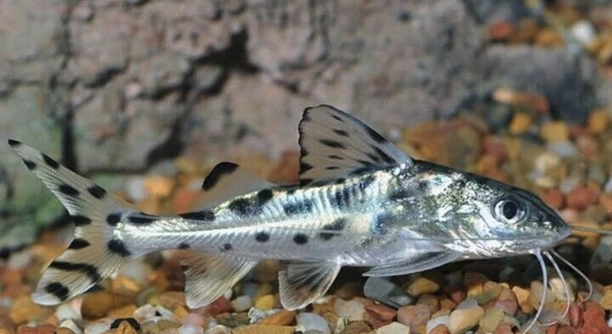
Do you ever find yourself setting up an aquarium and wondering if live plants are truly necessary for every fish species?
Pictus catfish can be kept without live plants, as they do not rely on them for survival. However, live plants can improve water quality, reduce stress, and create a more natural environment, benefiting the fish’s overall well-being.
Choosing the right setup can make a big difference in your pictus catfish’s comfort, behavior, and long-term health.
Why Live Plants Aren’t Essential for Pictus Catfish
Pictus catfish are active bottom dwellers that thrive in aquariums with hiding spots, smooth substrate, and plenty of swimming space. Unlike some fish, they do not nibble on or rely on live plants for food or shelter. While plants can make a tank look more natural, these fish are more concerned with good water quality and enough room to move. Decorations like rocks, driftwood, and artificial plants can provide the hiding spaces they need without the care that comes with live plants. Keeping things simple can often lead to better tank maintenance and more stable conditions. Live plants may require added lighting, fertilization, and pruning, which can complicate things if you’re focused on keeping your tank clean and low-maintenance.
Live plants can be nice to have, but they are not required for a healthy pictus catfish tank setup. Good filtration and water changes matter more.
If you decide not to use live plants, be sure to add hiding spaces and soft lighting. These will help reduce stress in your catfish and keep them feeling secure. Watch their behavior closely. If they seem active and are eating well, that’s usually a good sign that they’re doing fine in your setup.
When Live Plants Might Help
Sometimes, live plants can make a difference in how stable your tank feels. They can help absorb nitrates and improve oxygen levels.
In tanks with more than one species or fish that are sensitive to water changes, live plants can be helpful. They create natural shade, which lowers stress levels. Pictus catfish tend to be more active at night, so darker spots during the day let them rest better. Some keepers notice their pictus catfish hide less and swim more freely when there are plants or dim areas in the tank. Plants can also slow down fast currents, which makes swimming easier for smaller or less active fish. If your tank includes community species, live plants can add that extra stability to balance the space. They’re not required, but when used well, they can add value to your setup—especially when you want a cleaner, calmer environment for multiple fish. Just be mindful of the maintenance they need and how they fit into your routine.
How to Create a Plant-Free Setup for Pictus Catfish
Start by choosing a tank that’s at least 55 gallons. Pictus catfish are fast swimmers and need space to move. Use a soft sand or smooth gravel substrate to protect their barbels.
Add decorations that mimic their natural environment. Driftwood, caves, and smooth rocks are great for creating hiding spots. Make sure any decorations don’t have sharp edges, since pictus catfish can easily scratch themselves. Use artificial plants if you like the look of greenery, but choose soft ones to avoid damage. Keep lighting low or use floating decorations to dim it slightly, helping your catfish feel more comfortable. A secure lid is also important—they are known jumpers.
Install a strong, quiet filter that can handle the bioload. These fish eat a lot and create waste, so keeping the water clean is key. Weekly water changes of 25–30% are important. Check parameters often to make sure everything stays stable.
Choosing Tank Mates Without Live Plants
Pictus catfish do well with peaceful, mid-to-top-dwelling fish. Avoid slow or delicate species. Choose ones that can handle active swimmers and don’t get stressed easily.
Look for schooling fish like silver dollars, larger tetras, or rainbowfish. These can add movement and variety to the tank without competing for space at the bottom. Avoid small fish that could be mistaken for food. Also, steer clear of aggressive fish that may harass your pictus catfish. Without live plants to provide cover, it’s important to rely on decorations for territory and hiding. Make sure there’s enough room for everyone to move around freely. Feed the tank a varied diet, and monitor behavior during feeding times to avoid food aggression. With the right mix, a plant-free tank can be active, peaceful, and well-balanced.
Common Mistakes in Plant-Free Tanks
Skipping hiding spots can cause stress. Pictus catfish need places to rest and feel safe. Without cover, they may become skittish or hide all the time, especially during the day.
Using harsh lighting can make them uncomfortable. Bright light encourages hiding. Use dim lighting or floating decorations to soften it.
How to Tell if Your Pictus Catfish Is Comfortable
A healthy pictus catfish will swim actively during the evening and night. If it’s hiding all the time or not eating, something might be off. Check the water quality first, then look at the tank layout. Make sure there’s enough space and hiding areas. Even in a plant-free tank, decorations should make the fish feel secure. Watch for signs of stress like pale color, damaged fins, or erratic swimming. These may suggest poor water quality, overcrowding, or an overly bright tank. Keeping the tank quiet and stable helps them settle in more easily. Feeding at the same time each day can also help with routine.
Final Thoughts on Live Plants
Live plants can be helpful, but they aren’t a must for pictus catfish. What matters more is clean water, space, and hiding spots.
FAQ
Can pictus catfish live in a bare-bottom tank?
Yes, they can, but it’s not ideal. Pictus catfish like to explore the bottom of the tank, and smooth substrate helps protect their sensitive barbels. In bare-bottom tanks, there’s a higher risk of damage to their barbels from sliding on the glass. It can also be harder to create natural hiding areas without something on the bottom to anchor decorations. If you still want a bare-bottom setup for easier cleaning, make sure to provide lots of driftwood, caves, and other soft hiding places. Keep water clean to prevent infections from small injuries.
What type of decorations are best without live plants?
Use smooth decorations that mimic natural shelters. Caves, driftwood, hollow logs, and rounded rocks work well. Avoid anything with sharp edges, since pictus catfish are fast swimmers and can injure themselves. You can also use artificial plants—choose soft, flexible ones to avoid tearing their fins. Floating decorations help reduce light and provide some cover. Make sure to leave open swimming space in the middle of the tank. Try placing the decorations near the sides or corners to create hiding spots without blocking the center.
Will artificial plants stress out pictus catfish?
No, as long as they’re made from soft material and don’t take up too much space. Pictus catfish don’t eat or nibble on plants, so they won’t interact with them the same way some other fish do. But artificial plants can still offer shelter and shade. Stick to flexible silk plants over stiff plastic ones, and secure them well so they don’t float around. They can help the tank feel more natural and give your catfish somewhere to rest during the day.
How often should I clean a plant-free tank?
Weekly water changes of 25–30% are recommended. Without live plants to help absorb waste, the filter and your cleaning routine have to do all the work. Siphon the substrate during water changes to remove leftover food and waste. Clean the filter monthly, but don’t replace all the media at once—this keeps the beneficial bacteria alive. Test water weekly to catch any changes in ammonia, nitrites, or nitrates. Regular cleaning helps reduce stress and keeps your pictus catfish healthy.
Do pictus catfish eat plants if I add them later?
No, pictus catfish are not plant eaters. They are carnivorous and prefer protein-rich foods like worms, shrimp, and sinking pellets. If you decide to add live plants later, your catfish won’t damage them, but they may swim through or rest near them. Just be sure the plants are anchored well. Their fast movements can sometimes uproot delicate plants, especially if they’re newly planted or loosely rooted. Choose hardy plants if you want to try adding greenery in the future.
Is lighting still important in a plant-free tank?
Yes, but it should be soft and not too bright. Pictus catfish are mostly active at night and prefer dim environments. Strong lighting can cause them to hide more and feel uneasy. If your room has natural light, you may not need much artificial lighting at all. Use floating decorations or dimmable lights if you want better control. Light timers can help create a routine, which can make your catfish feel more secure over time.
Can I keep pictus catfish with cichlids?
It depends on the species. Avoid aggressive or territorial cichlids that may harass your catfish. Peaceful cichlids that don’t stay near the bottom are a safer choice. Always monitor how they interact in the first few days. Without live plants to separate territories, it’s even more important to add enough caves or decorations so each fish has space. Watch for chasing or nipping, and be ready to separate them if things get tense.
What signs of stress should I watch for?
Look for changes in behavior or appearance. If your pictus catfish hides constantly, stops eating, swims frantically, or loses color, it may be stressed. Check the water parameters first. Poor water quality is often the cause. Make sure there are enough hiding spots and that the lighting isn’t too strong. A calm, predictable environment helps them stay healthy. If you’ve recently changed the tank layout, give them a few days to adjust before assuming something is wrong.
How many pictus catfish should I keep together?
They do best in small groups of three or more, but only if your tank is big enough. Pictus catfish are social, and being alone can make them shy or anxious. A group lets them interact naturally and feel safer. Just make sure you have enough space—at least 55 gallons for one, and larger if you add more. Keep in mind that more fish means more waste, so your filter and cleaning routine need to be able to keep up.
Do they need a heater in a plant-free tank?
Yes. Pictus catfish are tropical fish and need stable water temperatures between 74–80°F (23–27°C). Even without plants, temperature control is important for their health. A reliable heater and thermometer will help keep things consistent. Sudden temperature drops can stress them out or lead to illness. Keep the tank away from windows or vents that can cause drafts or heat spikes.
Final Thoughts
Keeping pictus catfish without live plants is a choice that works well for many people. These fish are hardy, active, and don’t depend on plants to stay healthy. They care more about having clean water, space to swim, and places to hide. A plant-free tank can be easier to manage, especially if you’re focused on maintenance and keeping things simple. With the right setup—soft lighting, smooth substrate, and safe decorations—your pictus catfish can live a healthy, stress-free life. It’s all about meeting their basic needs in a way that fits your own routine.
Live plants are helpful in some tanks, but they are not required for pictus catfish. If you enjoy the look of greenery, soft artificial plants can give a similar effect without the extra work. What matters more is giving your fish a calm and stable environment. Strong filters, regular water changes, and low stress levels are the key parts of care. If you provide enough hiding spots using rocks, driftwood, or caves, your fish will feel secure even without plants. Watching their behavior can also help you make small changes when needed. Active swimming and a good appetite are both signs that your setup is working well.
In the end, the decision depends on what works best for you and your tank. Some people enjoy the challenge and beauty of live plants, while others prefer a cleaner, easier space to manage. Both setups can keep your pictus catfish healthy if done with care. Think about how much time you can spend on tank upkeep, and choose decorations that suit your fish’s natural behavior. A plant-free tank is not lacking—it just takes a different approach. With proper planning and a little observation, your pictus catfish can stay active, relaxed, and thriving in a setup that’s right for you.

Hello,
If you enjoy the content that we create, please consider saying a "Thank You!" by leaving a tip.
Every little bit helps us continue crafting quality advice that supports the health, happiness, and well-being of pets around the world, for pets of all shapes, sizes, and species.
We really appreciate the kindness and support that you show us!