
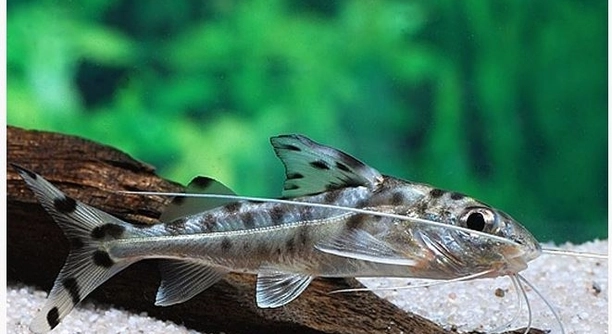
Pictus catfish are popular pets known for their active nature and peaceful temperament. Feeding them the right foods is important to keep them healthy and happy. Some common foods, however, might cause digestion problems for these fish.
Certain foods like high-fat meats, processed snacks, and some plant-based items can upset pictus catfish digestion. These foods may lead to bloating, constipation, or other digestive issues, affecting the fish’s overall well-being and longevity.
Knowing which foods to avoid will help you care better for your pictus catfish and keep their digestion smooth and comfortable.
Foods High in Fat
Feeding pictus catfish foods high in fat can be risky. These fish are adapted to digest proteins and some fats, but too much fat slows down their digestive system. Fatty foods can cause bloating or fatty liver disease over time. Items like fatty meats, fried foods, or oily fish should be given sparingly or avoided altogether. It’s important to balance their diet with lean proteins and vegetables to keep them healthy. Watching what you feed your pictus catfish helps prevent common health problems linked to poor digestion. Choosing appropriate foods promotes good energy levels and longer life. Many fish owners may not realize how sensitive these catfish can be to diet changes, so being cautious with fat intake is a smart choice.
Excess fat in the diet can lead to serious digestive discomfort and health issues for pictus catfish.
Managing fat intake is vital for maintaining your pictus catfish’s digestive health and overall well-being. Avoiding fatty foods supports better digestion and helps keep your fish active and thriving in their tank environment.
Processed and Artificial Foods
Processed foods and artificial additives are not suitable for pictus catfish. These items often contain preservatives, colorings, and other chemicals that can irritate their digestive systems. While it might be tempting to feed leftover human snacks or commercial pellets with fillers, these foods do more harm than good. Pictus catfish need natural, clean ingredients to stay healthy. Feeding them processed food regularly can lead to poor digestion, reduced nutrient absorption, and even long-term health decline.
It is best to stick with fresh or specially formulated fish foods to ensure your pictus catfish receives the nutrients it needs without unwanted additives.
Feeding your pictus catfish natural foods like live or frozen worms, insects, and high-quality fish pellets is recommended. These options support digestion and overall health better than processed alternatives. Avoiding artificial substances helps reduce stress on their digestive system and keeps them from developing complications. Maintaining a clean, natural diet will also encourage more active behavior and better coloration, making your fish healthier and more vibrant. Regularly reviewing what goes into their tank will give your pictus catfish a better chance at a strong, healthy life.
Vegetables with High Fiber
Some vegetables are too fibrous for pictus catfish to digest easily. Leafy greens like kale or spinach can cause digestive blockages if given in large amounts. While vegetables are good for many fish, pictus catfish need moderate fiber levels to avoid discomfort and slowed digestion.
Too much fiber can lead to constipation or bloating in pictus catfish. Offering small amounts of soft vegetables, such as zucchini or cucumber, is safer. Preparing vegetables by blanching or chopping finely also helps with digestion. Avoid feeding tough, stringy greens often, as they can stress the fish’s digestive tract.
Balancing vegetable intake with protein-rich foods ensures your pictus catfish stays healthy. Proper preparation and portion control prevent digestive problems while still adding variety to their diet. Keeping fiber levels moderate helps maintain smooth digestion and keeps your fish comfortable.
Dairy and Milk Products
Dairy and milk products are not suitable for pictus catfish. Fish cannot properly digest lactose, the sugar found in milk. Feeding them cheese, yogurt, or other dairy items can cause severe digestive upset and discomfort.
Introducing dairy into their diet can result in bloating, diarrhea, and poor nutrient absorption. The enzymes needed to break down lactose are absent in fish, so these products often sit undigested, causing harm rather than nutrition.
It’s important to avoid dairy entirely and stick to foods designed for fish consumption. Fresh, natural proteins and appropriate vegetables offer the nutrients pictus catfish need without risking digestive trouble. Staying away from dairy helps ensure your fish’s digestive system works properly and keeps them healthy and happy.
Citrus Fruits
Citrus fruits like oranges and lemons are too acidic for pictus catfish. The acid can irritate their digestive systems and upset the balance of their tank’s water chemistry.
Feeding citrus fruits may cause digestive distress, including stomach irritation and poor nutrient absorption. It’s best to avoid them entirely to keep your fish comfortable and healthy.
Bread and Baked Goods
Bread and other baked goods offer little nutritional value for pictus catfish. These foods can swell in the stomach and cause blockages, leading to serious digestive issues and discomfort.
Spicy or Seasoned Foods
Spicy or heavily seasoned foods can irritate pictus catfish digestion. Avoid feeding anything with added spices, salt, or seasonings to maintain a healthy digestive system.
What foods should I avoid feeding my pictus catfish?
Avoid feeding high-fat meats, processed foods, dairy products, citrus fruits, bread, and heavily seasoned or spicy foods. These items can upset your pictus catfish’s digestion, causing bloating, constipation, or irritation. Stick to natural, protein-rich foods and soft vegetables to keep their digestive system healthy and balanced.
Can pictus catfish eat vegetables?
Yes, but only certain types. Soft vegetables like zucchini or cucumber in small amounts are safe. Avoid fibrous vegetables such as kale or spinach, which may cause digestive blockages. Preparing vegetables by blanching or finely chopping helps your fish digest them better.
Are commercial fish pellets safe for pictus catfish?
High-quality commercial pellets made specifically for carnivorous or omnivorous fish are generally safe. However, avoid pellets with fillers, artificial additives, or excessive fat content. Always check the ingredient list to ensure it supports your catfish’s dietary needs.
Why is it bad to feed bread or baked goods to pictus catfish?
Bread and baked goods have little nutritional value and can swell inside the fish’s stomach, potentially causing blockages or constipation. These foods are not designed for fish digestion and should be avoided to prevent health problems.
Is it okay to feed frozen or live foods?
Frozen and live foods like bloodworms, brine shrimp, and insect larvae are excellent for pictus catfish. They provide essential proteins and mimic natural diet sources, supporting good digestion and overall health.
What happens if my pictus catfish eats something harmful?
If your fish eats something that disrupts its digestion, it may show signs like bloating, reduced appetite, lethargy, or abnormal swimming behavior. Monitor your fish closely and consider adjusting its diet to prevent further issues. In severe cases, seek advice from a vet specializing in fish.
How often should I feed my pictus catfish?
Feeding small amounts once or twice a day is best. Overfeeding can cause digestive problems and pollute the tank. Ensure the food is fully consumed within a few minutes to maintain water quality and fish health.
Can fruits be part of a pictus catfish diet?
Most fruits, especially acidic ones like citrus, should be avoided. They can irritate digestion and affect water quality. If offering fruits, choose non-acidic types in very small amounts, but it’s generally safer to focus on protein and safe vegetables.
What signs indicate my pictus catfish has digestive issues?
Look for bloating, unusual swimming, loss of appetite, or stringy feces. These signs often suggest digestive discomfort or blockage. Early detection and dietary adjustments can help your fish recover quickly.
How can I prevent digestive problems in pictus catfish?
Provide a balanced diet with natural proteins and moderate vegetables. Avoid fatty, processed, or artificial foods. Feed appropriate portions and maintain good tank hygiene. Regular observation ensures early detection of any problems.
Are dairy products safe for pictus catfish?
No, dairy products are not safe. Fish cannot digest lactose, leading to digestive upset such as bloating and diarrhea. Always avoid milk, cheese, yogurt, or other dairy items.
Is it necessary to vary my pictus catfish’s diet?
Yes, variety helps provide essential nutrients and keeps your fish interested in food. Rotate between live, frozen, and pellet foods, and occasionally include safe vegetables. This approach supports good digestion and overall health.
Feeding pictus catfish the right foods is important for their health and happiness. These fish have specific dietary needs that, if not met, can lead to digestive problems. Some common foods that seem harmless may cause bloating, constipation, or irritation in their digestive system. Avoiding high-fat foods, processed snacks, dairy products, citrus fruits, and bread helps keep their digestion working smoothly. Providing a balanced diet with natural proteins and safe vegetables supports their overall well-being. Paying attention to what you feed your pictus catfish is a simple way to improve their quality of life.
It is important to understand that pictus catfish are sensitive to changes in their diet. Sudden introduction of new or inappropriate foods can cause stress and digestive upset. Feeding small portions and choosing foods designed for their dietary needs helps prevent these issues. Soft vegetables like zucchini and cucumber can be offered occasionally, but tough, fibrous greens should be avoided. High-quality commercial pellets made for carnivorous or omnivorous fish are usually a good option. Live or frozen foods such as bloodworms and brine shrimp mimic natural food sources and help keep your fish active and healthy.
Taking care of pictus catfish means watching their diet closely and avoiding foods that upset their digestion. If you notice signs like bloating, loss of appetite, or unusual behavior, it may be related to what they are eating. Regular observation and proper feeding routines help maintain a healthy tank environment and happy fish. Remember, a well-balanced diet is key to preventing many common health problems. By choosing appropriate foods and feeding thoughtfully, you give your pictus catfish the best chance to thrive and live a long, healthy life.

Hello,
If you enjoy the content that we create, please consider saying a "Thank You!" by leaving a tip.
Every little bit helps us continue crafting quality advice that supports the health, happiness, and well-being of pets around the world, for pets of all shapes, sizes, and species.
We really appreciate the kindness and support that you show us!