
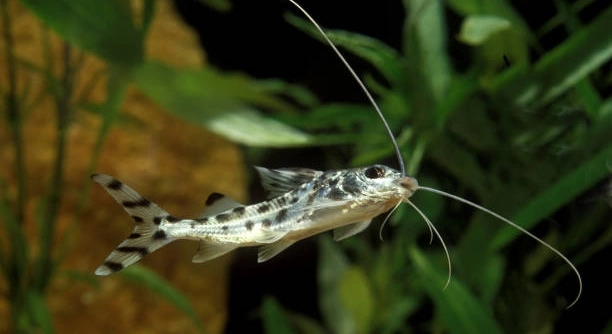
Pictus catfish are popular freshwater fish known for their active and curious nature. Many fish owners enjoy watching them explore their tanks. Feeding these fish correctly is important to keep them healthy and happy.
Pictus catfish are primarily nocturnal feeders and should be fed during the evening or night. Feeding at night aligns with their natural behavior, promoting better digestion and reducing stress compared to daytime feeding.
Understanding when and how to feed your pictus catfish can improve their well-being and help maintain a balanced aquarium environment.
Natural Feeding Habits of Pictus Catfish
Pictus catfish are nocturnal by nature, which means they are most active and hungry during the night. In the wild, they search for food after sunset when their environment is quieter and safer. During the day, they tend to hide and rest, avoiding bright light and predators. This natural rhythm affects their feeding behavior in home aquariums as well. Feeding them during the day may cause them stress, as it conflicts with their internal clock. Night feeding helps them feel secure and encourages natural hunting instincts. In captivity, replicating their natural conditions, such as dimming lights during feeding time, can make a big difference. Many owners notice better appetite and activity when feeding pictus catfish in the evening. Providing food at night also reduces competition with daytime feeders, which might be less active during those hours. Understanding these habits helps create a more comfortable and healthy environment for your catfish.
Feeding at night aligns with pictus catfish’s natural feeding habits and supports their overall health and well-being.
By feeding your pictus catfish at night, you support their natural behavior. This simple adjustment can reduce stress, improve digestion, and make them more responsive to food. Observing their activity patterns helps you know the best feeding times and create a calm atmosphere. It also prevents overfeeding during the day when they may ignore food, which keeps the tank cleaner and healthier. Night feeding encourages them to be more active, which is good for their mental and physical health. Remember, matching their natural schedule is key to happy and thriving pictus catfish.
Best Types of Food for Pictus Catfish
Pictus catfish enjoy a varied diet, and choosing the right food is important to keep them healthy. They are omnivores, so they eat both animal and plant-based foods. Common options include sinking pellets, frozen or live bloodworms, brine shrimp, and small insects. These foods mimic what they would find at night in their natural habitat. It’s best to avoid floating foods, as pictus catfish prefer to feed near the bottom of the tank. Vegetables such as blanched zucchini or cucumber can be added occasionally to provide extra nutrients. Variety helps prevent nutritional deficiencies and keeps the catfish interested during feeding time. Feeding smaller portions several times a week is better than large meals, as it matches their natural grazing habits. Paying attention to food quality and freshness will support their immune system and overall vitality. Choosing appropriate food plays a big role in the health and happiness of your pictus catfish.
Pictus catfish thrive on sinking foods like pellets, worms, and occasional vegetables that fit their nocturnal eating habits.
A balanced diet for pictus catfish includes protein-rich items such as bloodworms and brine shrimp, which provide essential nutrients for growth and energy. Including plant matter in their diet adds fiber and vitamins. Avoid overfeeding to prevent water quality issues in the tank. Watching how your catfish respond to different foods helps you adjust their diet accordingly. Feeding at night, when they are more active, ensures they eat well and digest properly. This thoughtful approach supports their long-term health and vibrant activity in your aquarium.
Feeding Schedule Tips for Pictus Catfish
Feeding pictus catfish once a day at night is usually enough. Overfeeding can lead to water quality problems and health issues. Consistency in feeding times helps them adjust and stay healthy.
A regular feeding schedule that matches their natural habits is important. Feeding them in the evening, just after lights dim, encourages their activity. Try to feed small amounts so they can finish it within a few minutes. Uneaten food should be removed to avoid polluting the tank. Monitoring their appetite daily helps you adjust portions if needed. This routine reduces stress and supports digestion. Avoid feeding them late at night or during the day, as it may disrupt their natural cycle. This simple schedule keeps your catfish comfortable and thriving.
Feeding frequency and timing are key factors in maintaining a healthy aquarium environment. A steady, nighttime routine mimics their natural behavior and improves feeding response. Overfeeding or irregular schedules can cause stress and water issues, so sticking to a plan benefits both fish and tank.
Signs of Overfeeding and How to Avoid It
Overfeeding can cause obesity and poor water quality in your aquarium. Watch for leftover food and bloated bellies on your catfish.
Too much food can lead to uneaten leftovers that rot and pollute the water. This increases harmful bacteria and stresses the fish. Overfed pictus catfish may show slower movement and swelling around the stomach. Prevent this by offering only what they can eat in a few minutes and removing excess food promptly. Feeding smaller portions more often can help control intake. Keeping a close eye on your catfish’s body shape and tank cleanliness lets you catch overfeeding early. Proper feeding not only protects their health but also keeps the tank environment stable and safe for all inhabitants.
Lighting and Feeding Behavior
Pictus catfish prefer low light conditions during feeding. Bright lights can make them hide and reduce their appetite.
Using dim lighting or feeding when the tank lights are off mimics their natural environment. This encourages them to come out and eat comfortably without stress.
Feeding During the Day: What to Expect
Feeding pictus catfish during the day may cause them to ignore food or hide. Their natural instinct is to avoid bright light and stay hidden until night. Daytime feeding can lead to wasted food and unsettled fish. They might only eat when very hungry or if the tank is very dark.
Avoiding Stress While Feeding
Keeping a calm environment during feeding helps pictus catfish eat well. Sudden movements or loud noises can scare them away from food.
Feeding Tools and Techniques
Using sinking pellets and feeding near the tank bottom helps pictus catfish find their food easily. Avoid floating flakes that may not reach them.
FAQ
How often should I feed my pictus catfish?
Feeding pictus catfish once a day in the evening is usually enough. They have a slow metabolism and can go a day or two without food if needed. Overfeeding can cause health problems and pollute the tank, so it’s better to feed small portions.
Can pictus catfish eat during the day?
While pictus catfish can eat during the day, it is not ideal. They are naturally nocturnal and feel safer feeding at night when the tank is darker. Feeding during the day may cause them to hide or ignore food.
What types of food are best for pictus catfish?
Sinking pellets made for bottom feeders are best. You can also offer live or frozen bloodworms, brine shrimp, and occasional vegetables like blanched zucchini. Avoid floating flakes since they mostly feed near the tank bottom.
Is it okay to feed them frozen food?
Yes, frozen foods like bloodworms or brine shrimp are healthy and convenient. Just thaw the food before feeding. Frozen foods offer good nutrition and can mimic natural prey.
How much food should I give at one time?
Feed only what your pictus catfish can finish in about 3 to 5 minutes. This prevents leftover food from spoiling the water and keeps your fish from overeating.
What signs show my pictus catfish is overfed?
Look for bloated bellies, slow movement, or leftover food in the tank. Overfed fish can get fat and develop health issues. Water quality may also worsen with uneaten food.
Can pictus catfish eat plant-based foods?
Yes, they can eat some vegetables like zucchini, cucumber, or peas. These provide fiber and nutrients but should be given occasionally, not as the main diet.
Should I turn off the tank lights when feeding?
Dimming or turning off the lights helps because pictus catfish feel more comfortable feeding in low light, similar to their natural night environment.
Can pictus catfish live without being fed every day?
Yes, they can tolerate a day or two without food due to their slow metabolism. However, regular feeding supports their health and energy.
Is feeding at night better for all catfish species?
Not always. Each species has different habits. Pictus catfish are nocturnal, so night feeding suits them. Other catfish may be active during the day, so it depends on the species.
How do I know if my pictus catfish is hungry?
They become more active and swim around looking for food, especially after lights dim. If they come out eagerly during feeding time, it’s a good sign they’re hungry.
What happens if I feed them during the day regularly?
Regular daytime feeding may confuse their internal clock and cause stress. They might eat less, hide more, or compete with daytime fish, leading to poor health and tank imbalance.
Can I feed pictus catfish flakes?
Flakes are not ideal since they float and don’t reach the bottom where pictus catfish feed. If using flakes, crush them and try to sink them quickly, but pellets or sinking foods are better.
How long can pictus catfish survive without food?
They can survive up to a week without food in some cases, but it’s not recommended. Regular feeding keeps them healthy and active.
What is the best way to feed multiple fish including pictus catfish?
Feed sinking pellets and distribute food near the tank bottom for pictus catfish. Feed other species according to their needs and feeding times to avoid competition.
Can feeding pictus catfish at night help with aggression?
Yes, feeding at night can reduce aggression because it suits their natural behavior and reduces stress. They are less likely to compete or fight when feeding on their own schedule.
How do I transition my pictus catfish to night feeding?
Start by feeding in the late afternoon or early evening, gradually moving feeding time later. Reduce daytime feeding until they adjust to eating mainly at night.
Is it normal for pictus catfish to hide during the day?
Yes, they naturally hide and rest during the day to avoid predators and bright light. They become more active and feed during the night.
Should I clean the tank more often if I feed at night?
Feeding at night can cause leftover food to settle, so regular tank cleaning is important. Remove uneaten food and do water changes to keep the tank healthy.
Are live foods necessary for pictus catfish?
Live foods are not necessary but are a good supplement. They provide enrichment and stimulate natural hunting behavior. Frozen and pellets can provide balanced nutrition on their own.
Feeding pictus catfish at the right time and with the proper food is important for their health and happiness. These fish are naturally more active during the night, so feeding them in the evening or after the lights go down fits well with their habits. When they eat at night, they are less stressed and more likely to finish their food, which helps with digestion and keeps the tank cleaner. Feeding them during the day can cause them to hide or ignore food, which is not good for their overall well-being. Making a simple change to feed them at night can improve their behavior and make them more lively in the tank.
Choosing the right food is just as important as when you feed your pictus catfish. Sinking pellets, frozen or live bloodworms, and occasional vegetables like zucchini provide a good balance of nutrients. Since pictus catfish feed near the bottom of the tank, floating foods are not the best choice. Giving them a variety of foods helps keep their diet balanced and prevents boredom. It is also important to avoid overfeeding, as this can lead to water quality problems and health issues like bloating. Feeding small amounts that they can finish quickly is a better approach, along with removing any leftovers to keep the aquarium clean.
A consistent feeding schedule that matches their natural behavior can greatly benefit pictus catfish. Feeding once a day at night and watching their response helps maintain their health and tank environment. Overfeeding or irregular feeding times can stress the fish and reduce their appetite. It is important to observe your catfish closely and adjust the amount and timing of food as needed. Proper feeding supports their natural instincts and encourages active behavior. Overall, feeding pictus catfish with care and attention makes a noticeable difference in their quality of life and the health of your aquarium.

Hello,
If you enjoy the content that we create, please consider saying a "Thank You!" by leaving a tip.
Every little bit helps us continue crafting quality advice that supports the health, happiness, and well-being of pets around the world, for pets of all shapes, sizes, and species.
We really appreciate the kindness and support that you show us!