
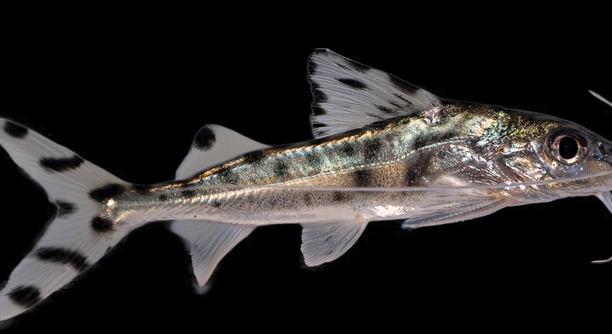
Many Pictus catfish owners notice their fish swimming near the top of the tank. This behavior can seem unusual since these fish usually prefer the middle or bottom levels of the aquarium. Understanding why they do this can help ensure their well-being.
Pictus catfish swim near the top primarily due to low oxygen levels in the water or because they are searching for food. This behavior can also indicate stress or poor water quality, which requires prompt attention to maintain a healthy environment.
Learning the reasons behind this behavior can help you take the right steps to keep your Pictus catfish comfortable and healthy in their tank.
Reasons Your Pictus Catfish Swims Near the Top
When a Pictus catfish swims near the surface, one of the main reasons is low oxygen levels in the tank. These fish need well-oxygenated water to stay healthy. If the oxygen is low, they will swim near the top where the water meets the air to breathe more easily. Another reason could be hunger. Pictus catfish are bottom feeders but will swim up for food if they sense it near the surface. Sometimes, poor water quality or stress from overcrowding can also cause this behavior. Regular water changes and proper filtration help keep the tank conditions stable and comfortable for your fish. Watching your catfish’s behavior closely can give early signs of tank problems before they become serious.
Addressing water quality and feeding habits usually improves this surface swimming behavior quickly.
Observing your Pictus catfish at the top can be a helpful reminder to check the tank’s oxygen levels and cleanliness. Small changes often lead to better health and less stressful behavior for your fish.
How to Improve Oxygen Levels in Your Aquarium
Keeping oxygen levels balanced is crucial for Pictus catfish health. Proper aeration ensures enough oxygen dissolves in the water.
Adding an air stone or increasing water surface agitation helps improve oxygen exchange. Plants can also contribute to oxygen during daylight hours but consume oxygen at night, so balance is necessary. Overcrowded tanks reduce oxygen availability, so avoid keeping too many fish in one aquarium. Water temperature affects oxygen levels too; warmer water holds less oxygen. Keeping the temperature stable within the recommended range is important. Regular water changes remove waste and toxins that reduce oxygen quality. Testing water parameters with a kit helps monitor oxygen and overall tank health. Making these adjustments keeps your Pictus catfish comfortable and reduces their need to swim near the surface.
Proper oxygen management leads to a healthier, calmer tank environment that your catfish will benefit from daily.
Feeding Habits Affecting Surface Swimming
Pictus catfish often swim near the surface when they expect food. They are naturally bottom feeders but will come up if they hear or see food being added to the tank. Feeding them a balanced diet prevents erratic swimming behavior.
Feeding should be consistent and appropriate in quantity. Overfeeding can pollute the water, while underfeeding may cause stress and hunger-driven surface swimming. Use sinking pellets designed for bottom feeders to encourage natural feeding habits. Occasionally supplement with frozen or live foods to keep their diet varied and healthy. Proper feeding habits keep your fish calm and reduce surface activity caused by hunger.
Watching feeding behavior closely helps adjust portions and timing. If your catfish constantly swim near the top, try feeding smaller amounts more often throughout the day. This can reduce anxiety and promote healthier routines.
Stress and Environmental Factors
Stress from overcrowding or tank mates can cause Pictus catfish to swim near the top. They may feel threatened or uncomfortable, leading to unusual swimming patterns. Keeping compatible fish together helps maintain calm behavior.
Tank decorations and hiding spots reduce stress by offering safe areas. A bare or overly bright tank can increase anxiety, so including plants or caves creates a more natural, secure environment. Sudden changes in water parameters or temperature spikes also cause stress. Monitoring and maintaining stable conditions limits this behavior and supports your fish’s health. Minimizing stressors helps Pictus catfish feel secure and reduces their surface swimming.
Water Temperature Impact
Pictus catfish are sensitive to water temperature changes. If the tank gets too warm, oxygen levels drop, causing them to swim near the surface to breathe more easily. Keeping the temperature stable is essential for their comfort.
Ideal temperature ranges between 72°F and 79°F. Temperatures outside this range can stress the fish and affect their behavior. Use a reliable heater and thermometer to maintain consistent conditions.
Tank Size and Space
A small or overcrowded tank limits swimming space, increasing stress for Pictus catfish. Providing enough room helps reduce surface swimming caused by discomfort or lack of space.
Signs of Illness to Watch For
If surface swimming is frequent and combined with other signs like lethargy or loss of appetite, illness might be a factor. Prompt care is important.
FAQ
Why does my Pictus catfish stay at the top of the tank all the time?
If your Pictus catfish consistently stays near the surface, it often signals low oxygen levels in the water or stress. Poor water quality, overcrowding, or incorrect temperature can reduce oxygen. Checking and improving tank conditions usually helps return your fish to normal behavior.
Can Pictus catfish breathe air from the surface?
Pictus catfish are not air breathers like some other fish species. They do not gulp air at the surface but swim near it to access higher oxygen levels dissolved in the water close to the air interface.
Is it normal for Pictus catfish to swim near the top sometimes?
Yes, occasional swimming near the surface is normal, especially during feeding times or if oxygen levels dip temporarily. Persistent surface swimming, however, suggests an underlying issue that needs addressing.
How can I increase oxygen in my aquarium?
Improving oxygen can be done by increasing surface agitation with a filter or air stone. Regular water changes and maintaining appropriate stocking levels also help maintain good oxygen levels. Avoid overheating the water since warmer water holds less oxygen.
Could my catfish be stressed by other fish?
Yes, aggressive or territorial tank mates can stress Pictus catfish. Providing hiding spots and choosing peaceful species can reduce stress and improve your catfish’s comfort.
What type of food should I feed my Pictus catfish?
Feed sinking pellets designed for bottom feeders as the main diet. Supplement occasionally with live or frozen foods like bloodworms or brine shrimp to keep them healthy and active.
How often should I feed my Pictus catfish?
Feeding small amounts once or twice daily is ideal. Overfeeding can harm water quality, while underfeeding causes hunger-driven surface swimming and stress.
Can water temperature cause my catfish to behave oddly?
Yes, temperatures above or below the recommended 72°F to 79°F range can cause stress and abnormal swimming. Use a heater and thermometer to keep the temperature stable.
How do I know if my Pictus catfish is sick?
Look for signs like lethargy, loss of appetite, unusual swimming, or visible spots and sores. If surface swimming is combined with these, it’s time to test water parameters and consider treatment.
What size tank is best for Pictus catfish?
A minimum of 30 gallons is recommended for a small group. Larger tanks provide more space to swim and reduce stress, which helps prevent surface swimming caused by discomfort.
Should I add plants or decorations to the tank?
Yes, plants and hiding places reduce stress and create a natural environment. This can decrease surface swimming caused by anxiety and make your catfish feel safer.
Can poor water quality make my catfish swim near the top?
Absolutely. High ammonia, nitrite, or nitrate levels are harmful and cause stress. Regular testing and water changes keep water clean and fish healthy.
How often should I test my aquarium water?
Test weekly for ammonia, nitrite, nitrate, and pH. Frequent monitoring helps catch problems early before they affect your fish’s behavior.
What can I do if my catfish keeps swimming at the top despite good water quality?
Check oxygen levels carefully, observe for stress signs, and review feeding habits. Sometimes adding more aeration or adjusting tank mates can solve persistent surface swimming.
Is it okay if my Pictus catfish breathes heavily near the surface?
Heavy breathing or gasping can indicate low oxygen or illness. It’s important to act quickly by improving water conditions or consulting an expert if the behavior continues.
When Pictus catfish swim near the top of the tank, it is usually a sign that something in their environment needs attention. This behavior often relates to oxygen levels, water quality, or stress. These fish naturally prefer the middle and bottom areas of the tank, so seeing them spend time at the surface means they may be searching for more comfortable conditions. Addressing common causes such as poor water conditions, improper feeding, or overcrowding can help restore their usual behavior. It is important to observe your fish regularly and make adjustments as needed to ensure they stay healthy and happy.
Maintaining proper tank conditions is key to preventing your Pictus catfish from swimming near the top too often. This includes keeping the water clean through regular changes and using a good filtration system. Monitoring water temperature and oxygen levels also plays an important role, as warmer water holds less oxygen and can cause discomfort. Providing enough space, suitable tank mates, and places to hide helps reduce stress, which can contribute to surface swimming. Feeding your catfish a balanced diet with appropriate portions supports their overall health and reduces hunger-related behavior near the surface.
By paying close attention to your Pictus catfish’s environment and behavior, you can create a stable and comfortable home for them. Small changes, like adding an air stone, adjusting feeding habits, or rearranging tank decorations, often make a big difference. Surface swimming is a useful sign to guide you in improving the tank’s conditions. Taking action early helps prevent health issues and keeps your fish active and content. Consistent care ensures your Pictus catfish will thrive in their aquarium, showing their natural behavior and making your tank more enjoyable to watch.

Hello,
If you enjoy the content that we create, please consider saying a "Thank You!" by leaving a tip.
Every little bit helps us continue crafting quality advice that supports the health, happiness, and well-being of pets around the world, for pets of all shapes, sizes, and species.
We really appreciate the kindness and support that you show us!