
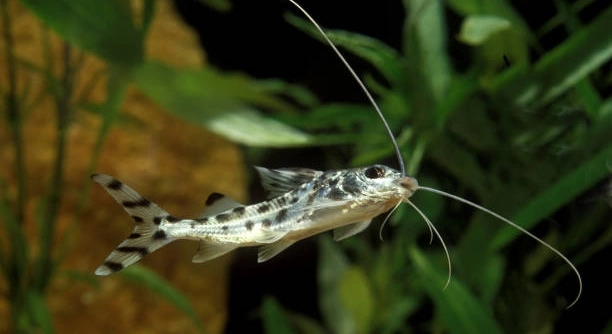
Keeping a Pictus catfish tank clean and well-maintained is essential for the health of these unique fish. Many tank owners find the maintenance process time-consuming and challenging. Having the right tools can simplify routine tasks and save effort.
Seven specific items can make Pictus tank maintenance faster and more efficient. These include specialized gravel vacuums, algae scrapers, water conditioners, siphons, proper lighting, automated feeders, and test kits. Each tool targets common maintenance challenges to streamline care.
Using these helpful items can reduce time spent on cleaning and improve the overall environment for your Pictus catfish. This guide will explain how each item benefits your tank upkeep.
Gravel Vacuum
A gravel vacuum is essential for keeping the substrate clean in a Pictus tank. Over time, uneaten food, fish waste, and debris settle at the bottom, which can lead to poor water quality. Using a gravel vacuum allows you to remove these particles without disturbing the fish or the plants. It works by sucking up dirt while leaving the gravel in place. Regular vacuuming helps prevent harmful toxins from building up and keeps the environment healthy. It also reduces the frequency of full water changes, saving time and effort. Choosing a vacuum with adjustable suction power and the right size hose can make maintenance easier. Some models even come with attachments designed for tight spaces or fragile plants. Incorporating a gravel vacuum into your cleaning routine can significantly speed up the process and improve tank conditions for your Pictus catfish.
Gravel vacuums simplify substrate cleaning and maintain water quality. Their design allows efficient debris removal without disturbing the tank’s layout or inhabitants.
Using a gravel vacuum is straightforward but effective. Simply place the vacuum into the gravel and start siphoning. The vacuum sucks up debris, allowing water and waste to be removed while leaving the gravel behind. This method cleans the tank bottom thoroughly and prevents buildup of harmful substances. It also supports a healthier environment by improving water clarity. Regular use reduces the risk of ammonia spikes, which can stress or harm Pictus catfish. Investing in a good gravel vacuum pays off in quicker, more efficient maintenance sessions that keep your tank clean with less hassle.
Algae Scraper
An algae scraper is a small but powerful tool designed to remove algae buildup on tank glass. Pictus tanks, like many freshwater aquariums, can develop algae that reduces visibility and affects aesthetics. Regular use of an algae scraper keeps the glass clear and makes the tank more enjoyable to view. Most scrapers have a comfortable handle and a blade or pad that gently removes algae without scratching the surface.
Using an algae scraper prevents algae from accumulating and reduces the need for deep cleanings.
Choosing the right scraper depends on your tank size and glass type. Magnetic scrapers are popular because they allow you to clean the inside glass without putting your hands in the water. This can save time and keep your hands dry. Plastic blades are suitable for acrylic tanks, while metal blades work better on glass. Regular scraping reduces algae growth and helps maintain the tank’s health by limiting excess nutrients. Adding an algae scraper to your maintenance tools simplifies routine cleaning and keeps your tank looking its best.
Water Conditioner
Water conditioners remove harmful chemicals such as chlorine and chloramine from tap water, making it safe for your Pictus tank. Using a conditioner is essential when performing water changes to protect your fish from stress and health issues.
A quality water conditioner neutralizes toxins immediately upon adding water to the tank. This prevents irritation to the fish’s gills and skin, which can happen with untreated water. Many conditioners also detoxify heavy metals and support beneficial bacteria growth, improving overall water quality. Using a conditioner simplifies the maintenance process by eliminating the need to wait for tap water to settle before adding it to the tank.
Regularly treating replacement water ensures a stable environment. It prevents sudden changes in water chemistry that can harm Pictus catfish. Keeping water safe with a conditioner reduces disease risks and supports healthier fish, making tank care easier and more efficient.
Siphon Hose
A siphon hose makes water changes faster and cleaner by easily removing water and debris simultaneously. It helps maintain water quality and reduces the effort required to keep the tank clean.
Using a siphon hose allows you to quickly drain old water while vacuuming the substrate. This two-in-one action saves time by combining cleaning tasks. The hose’s flexible design helps reach difficult spots without disturbing the tank setup. It also minimizes splashing and spills, keeping the maintenance area tidy.
Proper use involves starting the siphon and guiding the hose over the gravel to pick up waste. This method helps keep water fresh and free from harmful substances. Regular water changes with a siphon hose improve oxygen levels and reduce toxins, ensuring a healthier habitat for your Pictus catfish.
Proper Lighting
Proper lighting supports plant growth and reduces unwanted algae in a Pictus tank. It also helps maintain a natural day-night cycle, which benefits fish health and behavior.
Using LED lights with adjustable timers can control light duration effectively. This prevents overexposure, which often leads to algae growth.
Automated Feeder
Automated feeders provide consistent feeding schedules, reducing the risk of overfeeding or missed meals. This tool is helpful for busy schedules or when away from home.
They help maintain stable water quality by preventing excess food buildup, which can cause pollution. Consistency in feeding supports the health of your Pictus catfish and reduces maintenance caused by leftover food.
Test Kits
Test kits allow you to monitor water parameters such as pH, ammonia, nitrites, and nitrates. Regular testing is crucial to keep conditions safe for your fish.
Monitoring these levels helps catch problems early before they harm your Pictus catfish, ensuring prompt action and healthier tank maintenance.
What is the best frequency for cleaning a Pictus tank?
Cleaning frequency depends on tank size and fish population, but generally, partial water changes of 20-30% every week or two work well. Regular substrate vacuuming and algae removal help maintain water quality and reduce toxins. Over-cleaning can stress fish, so balance is key.
How do I prevent algae from growing too fast?
Control lighting duration to about 8-10 hours daily and avoid overfeeding. Using proper filtration and regularly cleaning the glass with an algae scraper slows algae growth. Live plants also compete with algae for nutrients, helping to keep it in check naturally.
Can I use tap water without treating it?
Tap water often contains chlorine or chloramine, which are harmful to fish. Always use a water conditioner to neutralize these chemicals before adding water to the tank. Letting water sit out overnight is not reliable and can delay tank maintenance.
What tools save the most time during tank maintenance?
A gravel vacuum and siphon hose are two tools that quickly remove debris and water. An automated feeder reduces daily feeding tasks. Using test kits lets you monitor water quality efficiently, preventing bigger problems. These tools together make maintenance faster and easier.
How important is monitoring water parameters?
Testing pH, ammonia, nitrites, and nitrates regularly ensures a healthy environment. Sudden changes can harm Pictus catfish. Early detection allows corrective actions before issues worsen. Keeping stable parameters reduces stress and disease risk.
Are automated feeders safe for Pictus catfish?
Yes, when properly programmed, automated feeders deliver consistent meals and prevent overfeeding. They are especially useful for maintaining a routine during busy days or short trips. Ensure to clean the feeder regularly to avoid clogging.
What size gravel vacuum should I choose?
Select a vacuum with a hose size and suction power suited to your tank size. Smaller tanks benefit from lightweight, easy-to-handle models, while larger tanks may need stronger suction and longer hoses. Adjustable suction is helpful for delicate plants or substrate.
How do I use an algae scraper without damaging the tank?
Choose a scraper designed for your tank’s material—plastic blades for acrylic and metal for glass. Use gentle, consistent strokes to avoid scratching. Magnetic scrapers let you clean from outside the tank, reducing risk to fish and decorations.
Is it necessary to turn off filters during water changes?
Generally, it’s not required to turn off filters when doing partial water changes. Filters help maintain water flow and biological balance. However, if working very close to the filter or unplugging equipment, ensure safety to avoid damage or electric shock.
How do I know if my water conditioner is working properly?
Most conditioners work immediately to neutralize harmful chemicals. Some have visible effects like water clearing. Testing water parameters after treatment confirms safety. Follow dosage instructions carefully; overdosing is rarely harmful but underdosing can leave toxins untreated.
What should I do if water parameters are off?
If ammonia, nitrite, or nitrate levels spike, perform immediate partial water changes. Check filtration and consider adding beneficial bacteria supplements. Reduce feeding temporarily to limit waste. Keep testing daily until levels return to safe ranges to protect your fish.
Can lighting affect Pictus catfish behavior?
Yes, proper lighting helps regulate natural activity patterns. Too much light may stress fish and promote algae, while too little can affect plants and fish health. Using timers to mimic day-night cycles supports a balanced environment and natural fish behavior.
How often should I replace test kits?
Test kits have expiration dates and reagents lose effectiveness over time. Check packaging for recommended replacement periods, usually 6 to 12 months after opening. Regular replacement ensures accurate readings, which are vital for tank health.
Are there any maintenance tasks that can be automated besides feeding?
Besides feeders, some aquarists use automatic water changers or controllers for lights and heaters. These devices reduce manual work but may require upfront investment. Automation can improve consistency, but routine checks and manual cleaning remain necessary.
What common mistakes slow down Pictus tank maintenance?
Overfeeding, neglecting water changes, and ignoring algae growth increase maintenance time. Using improper tools or skipping regular testing leads to more frequent, extensive cleanings. Consistency with the right equipment helps keep tasks manageable and quicker.
This FAQ covers key concerns about maintaining a Pictus tank efficiently. Using proper tools and routines makes the process easier and benefits your fish’s well-being.
Maintaining a Pictus catfish tank can feel overwhelming at times, especially without the right tools. However, having a few essential items can make the process much faster and less stressful. Tools like a gravel vacuum, siphon hose, and algae scraper help keep the tank clean with less effort. Water conditioners protect your fish during water changes, and automated feeders provide consistent feeding without daily attention. Test kits allow you to monitor water quality, ensuring a safe environment. Each item plays a role in simplifying maintenance and supporting your fish’s health.
Consistency is key when caring for a Pictus tank. Regular cleaning and testing prevent problems before they start. Using the right equipment makes it easier to keep up with these tasks. For example, a gravel vacuum removes debris without disturbing the tank too much, while an algae scraper keeps glass clear. Automated feeders help maintain a feeding schedule, reducing the chance of overfeeding. When combined, these tools save time and effort, so you can spend more time enjoying your aquarium rather than cleaning it.
Taking care of your Pictus catfish tank with the proper tools and routines leads to better water quality and healthier fish. It also reduces the chance of unexpected issues that require major cleanups. Over time, these items pay off by making maintenance faster and less frequent. Investing in simple tools and sticking to a maintenance schedule improves both your experience and the well-being of your tank inhabitants. With the right approach, keeping a Pictus tank clean and thriving becomes a manageable and rewarding part of fishkeeping.

Hello,
If you enjoy the content that we create, please consider saying a "Thank You!" by leaving a tip.
Every little bit helps us continue crafting quality advice that supports the health, happiness, and well-being of pets around the world, for pets of all shapes, sizes, and species.
We really appreciate the kindness and support that you show us!